We Provide Cooling Tower Solution

Views: 0 Author: Site Editor Publish Time: 2026-01-12 Origin: Site


In the world of power generation, cooling towers are essential for ensuring efficient operations. Among the various types of cooling towers, hyperbolic cooling towers stand out due to their unique design and high-performance cooling capabilities. These towers are critical for thermal power plants, where immense heat is generated, helping to maintain optimal temperatures and ensuring the overall efficiency of the plant.
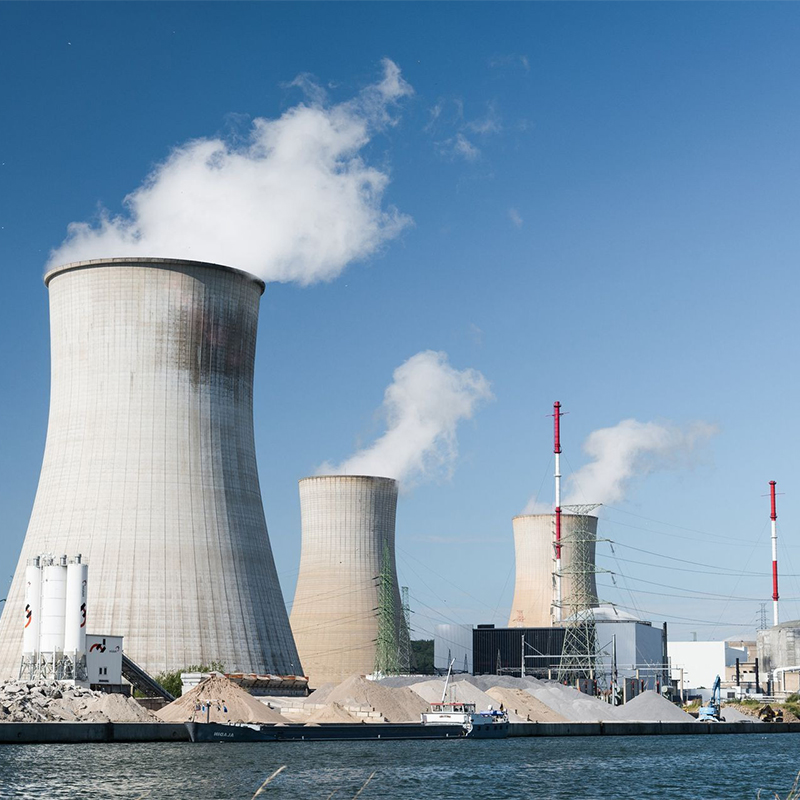
Hyperbolic cooling towers are tall, cone-shaped structures used primarily in industrial settings, particularly thermal power plants. Their design is specifically engineered to maximize airflow and facilitate the efficient removal of heat from water used in power generation processes. The cooling towers work through evaporative cooling, where water is cooled by natural or forced air passing through the structure, expelling the heat into the atmosphere.
Thermal power plants generate vast amounts of heat while producing electricity. Without an effective cooling system, the plant would overheat, leading to system failures, energy inefficiency, and increased maintenance costs. Hyperbolic cooling towers provide a solution by dissipating excess heat, enabling plants to operate smoothly and efficiently. The cooling towers are a vital part of thermal plants, ensuring they meet safety, environmental, and performance standards.
The operation of hyperbolic cooling towers is based on simple but highly effective principles. Here's a breakdown of how they work:
Hyperbolic cooling towers operate using evaporative cooling. In this process, hot water from the plant is pumped to the top of the tower and sprayed over a fill medium. The water then flows down through the fill, which increases the surface area for heat exchange. Meanwhile, air is drawn into the tower, either through natural draft or mechanical fans. As the warm water encounters the cool air, some of the water evaporates, carrying away heat and releasing it into the atmosphere.
Hyperbolic cooling towers are designed with a distinctive shape—wide at the bottom and tapering as they rise. This design is crucial for optimizing airflow. The broad base allows cool air to enter the tower, while the narrowing upper section facilitates the upward movement of warm air. This natural air movement creates a draft that expels heat efficiently.
The hyperbolic shape plays a critical role in the efficiency of the cooling tower. By facilitating natural airflow, the tower reduces the need for energy-consuming mechanical fans, making it more energy-efficient. The shape also promotes better heat exchange, allowing the tower to cool larger volumes of water more effectively than other types of cooling towers.
Hyperbolic cooling towers offer numerous advantages that make them a preferred choice for thermal power plants.
Hyperbolic cooling towers are highly energy-efficient compared to other cooling systems. Their natural draft mechanism means they do not require large amounts of energy to power fans. This reduction in energy consumption helps lower operational costs for power plants.
These cooling towers use water evaporation as their primary cooling mechanism, avoiding the use of harmful chemicals or refrigerants. This makes them an environmentally friendly option, reducing the overall ecological footprint of thermal power plants.
The robust design and materials used in hyperbolic cooling towers ensure that they can withstand extreme weather conditions and require minimal maintenance. Their durability allows them to remain effective for many years, often lasting several decades before major repairs are needed.
Hyperbolic cooling towers are integral to the operation of thermal power plants. They help maintain the temperature balance needed for the smooth functioning of the plant.
For large-scale power plants, hyperbolic cooling towers are vital. These plants require a cooling solution that can handle massive amounts of water, and the design of hyperbolic towers ensures they can manage the heat produced efficiently. These cooling towers support the continuous operation of power plants, preventing overheating and ensuring a steady power supply.
Nuclear power plants also rely on hyperbolic cooling towers. Given the large quantities of heat generated in nuclear reactors, the cooling towers play a critical role in maintaining safe operational temperatures. Without effective cooling, nuclear plants could face dangerous overheating, so hyperbolic cooling towers are essential for their safety and efficiency.
Several manufacturers specialize in producing hyperbolic cooling towers. These companies provide solutions that cater to the specific cooling needs of thermal power plants.
Top global manufacturers of hyperbolic cooling towers use advanced technologies to design and build efficient, high-performance cooling systems. These manufacturers ensure that the cooling towers meet stringent standards for safety, efficiency, and environmental impact.
One of the leading companies in the cooling tower industry is Mach Cooling. Known for their high-quality, energy-efficient solutions, Mach Cooling provides durable hyperbolic cooling towers that meet the rigorous demands of thermal power plants. The company focuses on delivering reliable and cost-effective cooling systems that contribute to improved plant performance.
The future of hyperbolic cooling towers is promising, with continuous advancements in technology and design.
Emerging technologies are enhancing the performance of hyperbolic cooling towers. For instance, new materials, automation, and sensor technologies are being incorporated into cooling tower designs to optimize performance and reduce maintenance costs. These innovations allow power plants to better monitor their cooling systems and ensure maximum efficiency.
As sustainability becomes increasingly important, the design of hyperbolic cooling towers will evolve to meet the demands of eco-friendly power generation. Future towers may incorporate renewable energy sources, such as solar power, to reduce reliance on external electricity. Additionally, efforts will be made to minimize water consumption and further reduce the environmental footprint of these cooling systems.
Hyperbolic cooling towers are crucial for thermal power plants, providing an efficient, eco-friendly way to manage heat. Their unique design, energy efficiency, and minimal environmental impact make them an indispensable part of the power generation process.
As the energy landscape evolves, hyperbolic cooling towers will continue to play a vital role in supporting the efficiency and sustainability of power plants worldwide. Their ability to provide effective cooling with minimal environmental impact ensures that they will remain a key component of future power generation systems.