We Provide Cooling Tower Solution

Views: 0 Author: Site Editor Publish Time: 2026-01-28 Origin: Site


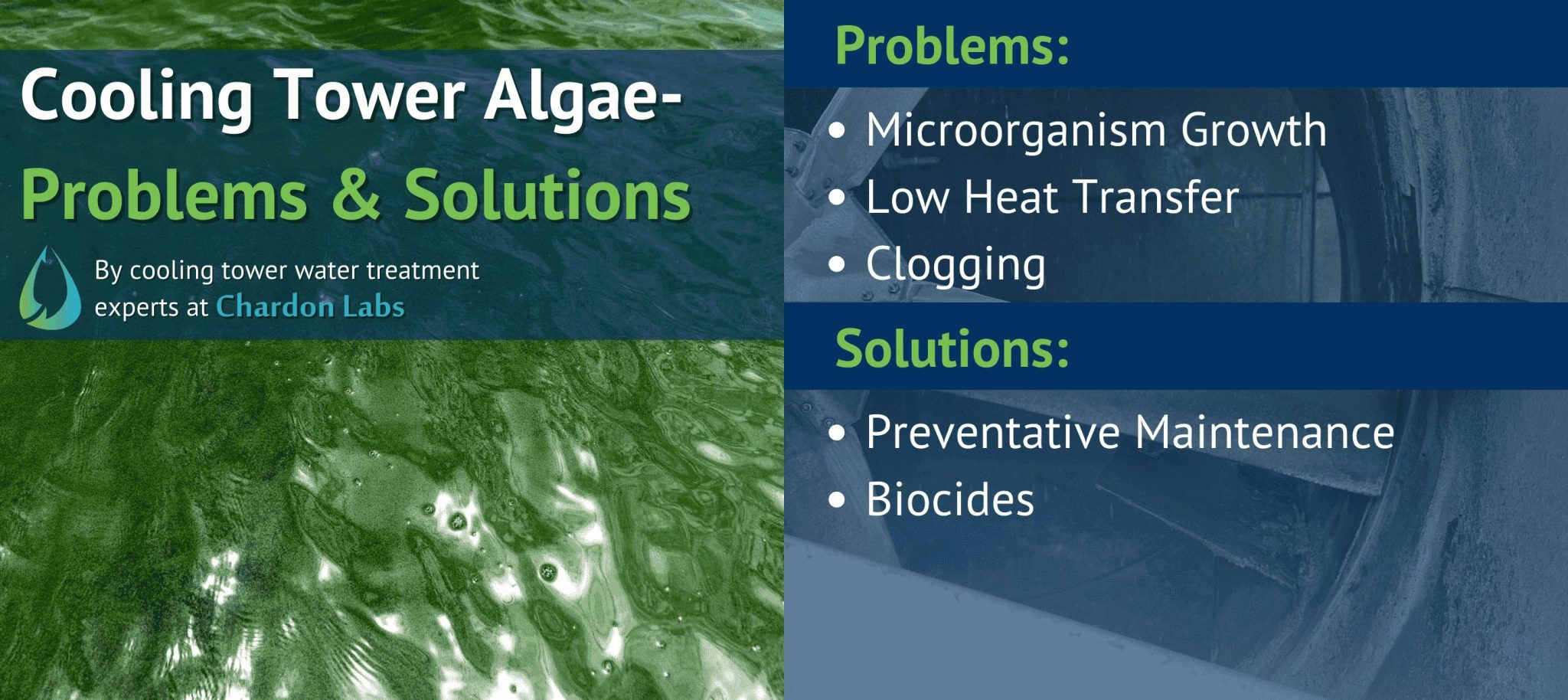
If you operate a cooling tower, you know that algae is more than just an unsightly green layer. It can clog fill media, reduce heat transfer efficiency, increase energy consumption, and even pose health risks. Understanding common cooling tower algae issues and how to address them is critical for maintaining a clean, efficient, and safe system.
In this article, we’ll dive deep into the causes, risks, detection methods, and solutions for algae growth in cooling towers. Working with experienced manufacturers like Mach Cooling (https://www.machcooling.com) ensures your towers remain algae-free and perform optimally.
Algae in cooling towers may seem harmless at first, but its effects are far-reaching:
It reduces heat transfer efficiency, forcing chillers and pumps to work harder.
It increases operating costs through higher energy and chemical consumption.
Certain algae species, like cyanobacteria, can release toxins, posing safety hazards to personnel.
A proactive approach is essential to prevent long-term damage and costly downtime.
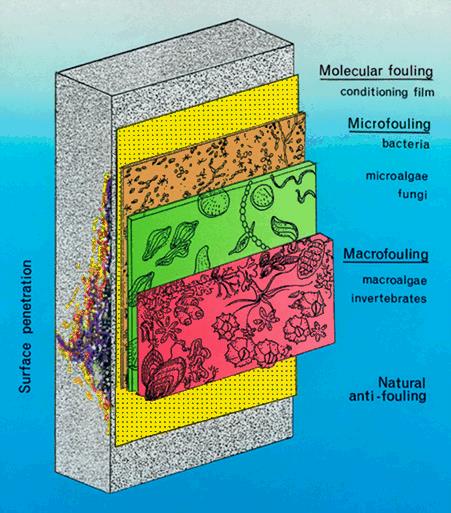
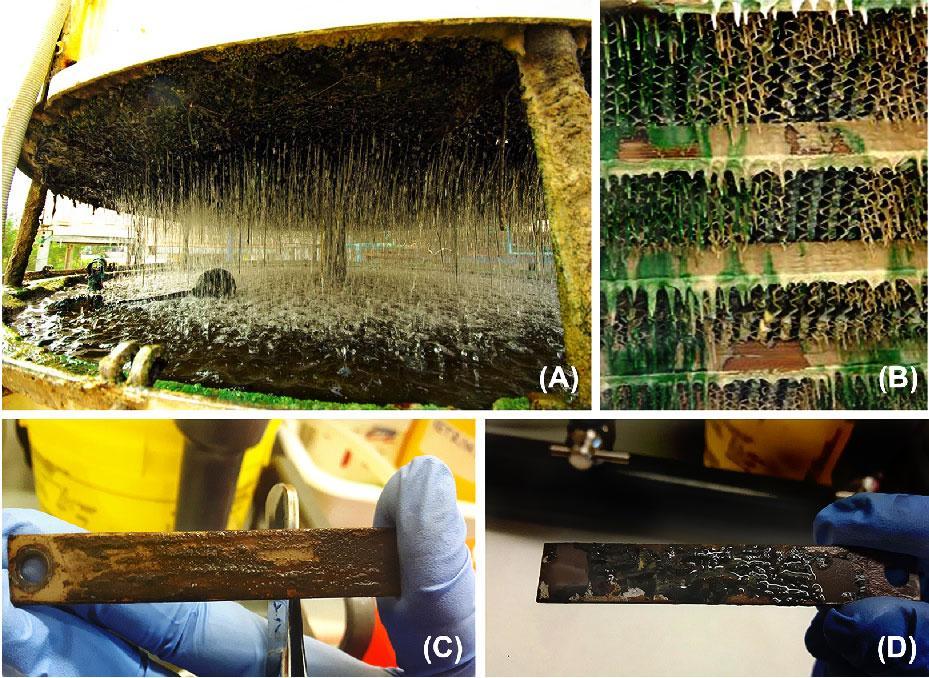
Algae are simple aquatic plants that thrive in wet and warm environments. In cooling towers, they grow on wet surfaces, inside fill media, and in water basins. Left unchecked, they form a slimy biofilm that obstructs water flow and lowers cooling performance.
Algae requires three conditions to flourish: moisture, warmth, and nutrients. Stagnant water, poor maintenance, and insufficient chemical treatment create an ideal environment for rapid algae growth.
Warm water accelerates algae reproduction. Towers in hot climates or with inadequate cooling are particularly susceptible.
Stagnant zones in basins, pipes, or fill media allow algae to establish colonies. Consistent water flow is crucial to prevent hotspots where algae thrive.
Without regular chemical treatment or biocides, algae can multiply rapidly. Skipping routine maintenance is a common cause of outbreaks.
A layer of algae acts as an insulating barrier, limiting heat exchange between water and air. The result is a less efficient cooling system.
Blocked water paths force pumps and fans to work harder, raising electricity costs and reducing overall system efficiency.
Cyanobacteria, also known as blue-green algae, can release toxins harmful to humans and animals, making early detection and control essential.

Green slime, cloudy water, and unusual odors are early indicators. Algae can also appear as biofilms on fill surfaces, pipes, or basins.
Regular water sampling can detect microscopic algae before they become visible. Laboratory tests or on-site kits provide species identification and concentration levels, enabling targeted treatment.
The most common variety, green algae, forms a slimy green layer. While usually non-toxic, it can obstruct water flow and reduce cooling efficiency.
More dangerous than green algae, cyanobacteria can produce harmful toxins. It thrives in warm, stagnant water and demands immediate remediation.
A consistent chemical program with biocides and algaecides prevents algae growth. Dosages should be adjusted seasonally and according to water chemistry.
Routine cleaning of basins, pipes, and fill media removes nutrients that feed algae, preventing biofilm formation.
UV sterilizers and fine filtration remove algae spores from circulating water, providing a secondary defense layer.
Biocides such as chlorine, bromine, or specialized algaecides effectively kill algae. Correct application and dosing are key to safety and efficacy.
Biocides disrupt cell walls and inhibit reproduction. Consistent use is critical to prevent recurring algae outbreaks.
Manual scrubbing, pressure washing, and flushing remove existing biofilms. In severe cases, temporary shutdowns may be required to restore performance.

Routine inspection, water testing, and cleaning are crucial. Automation tools and sensors can provide early warnings of algae growth.
Selecting a manufacturer with experience in algae-resistant design makes long-term control easier. Features like modular fill media, UV treatment, and corrosion-resistant materials reduce algae risk.
Mach Cooling (https://www.machcooling.com) integrates algae prevention into every tower design:
Optimized water distribution eliminates stagnant zones.
Corrosion-resistant FRP materials prevent biofilm attachment.
Optional UV and filtration systems remove algae spores.
Modular access and design simplify cleaning and maintenance.
These measures ensure long-term energy efficiency, safety, and low operating cost.

Algae in cooling towers is more than a nuisance—it’s a performance and safety concern. Early detection, proper water treatment, regular maintenance, and smart design are all critical.
By working with manufacturers like Mach Cooling, operators can:
Maintain heat transfer efficiency
Reduce energy and water costs
Ensure safe and reliable operation
Proactive algae control keeps your cooling tower clean, efficient, and dependable for years to come. Don’t wait for a green slime outbreak—act now to protect your system and investment.