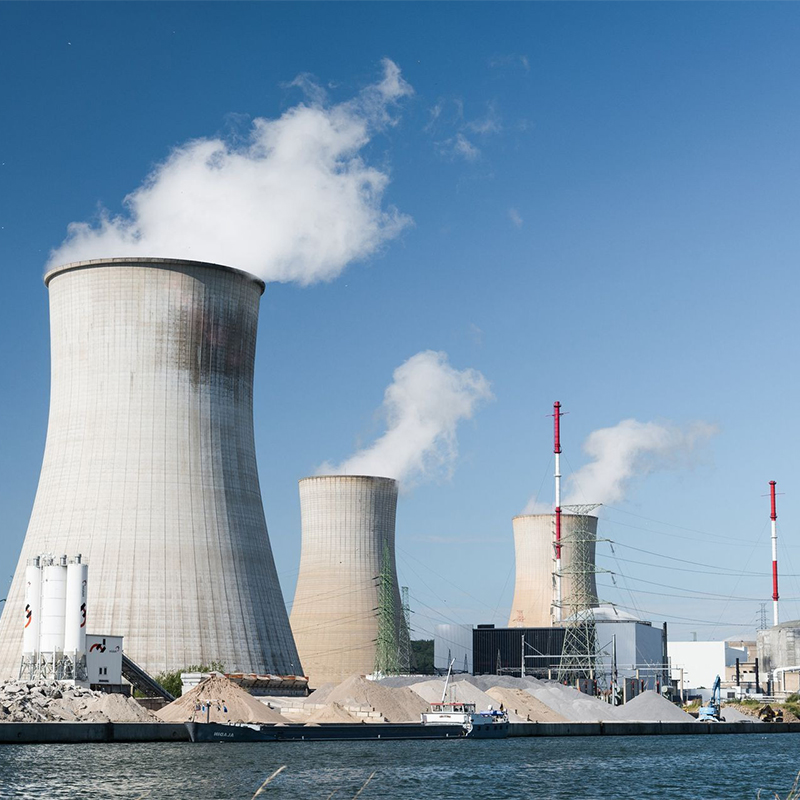
We Provide Cooling Tower Solution

Views: 0 Author: jessi Publish Time: 2025-10-09 Origin: Site


Closed circuit cooling tower is a type of heat dissipation device used for cooling and lowering the temperature of circulating media. It is commonly used for circulating water cooling in industrial production or civil air conditioning, and can cool high-temperature water to near atmospheric temperature, or more accurately, near wet bulb temperature. Closed loop cooling of circulating water only dissipates the heat energy carried by the circulating water to the external atmospheric environment, ensuring that the circulating medium has no contact with the external environment, and thus ensuring that the composition of the circulating medium does not change, does not evaporate, does not consume, and does not contain impurities.
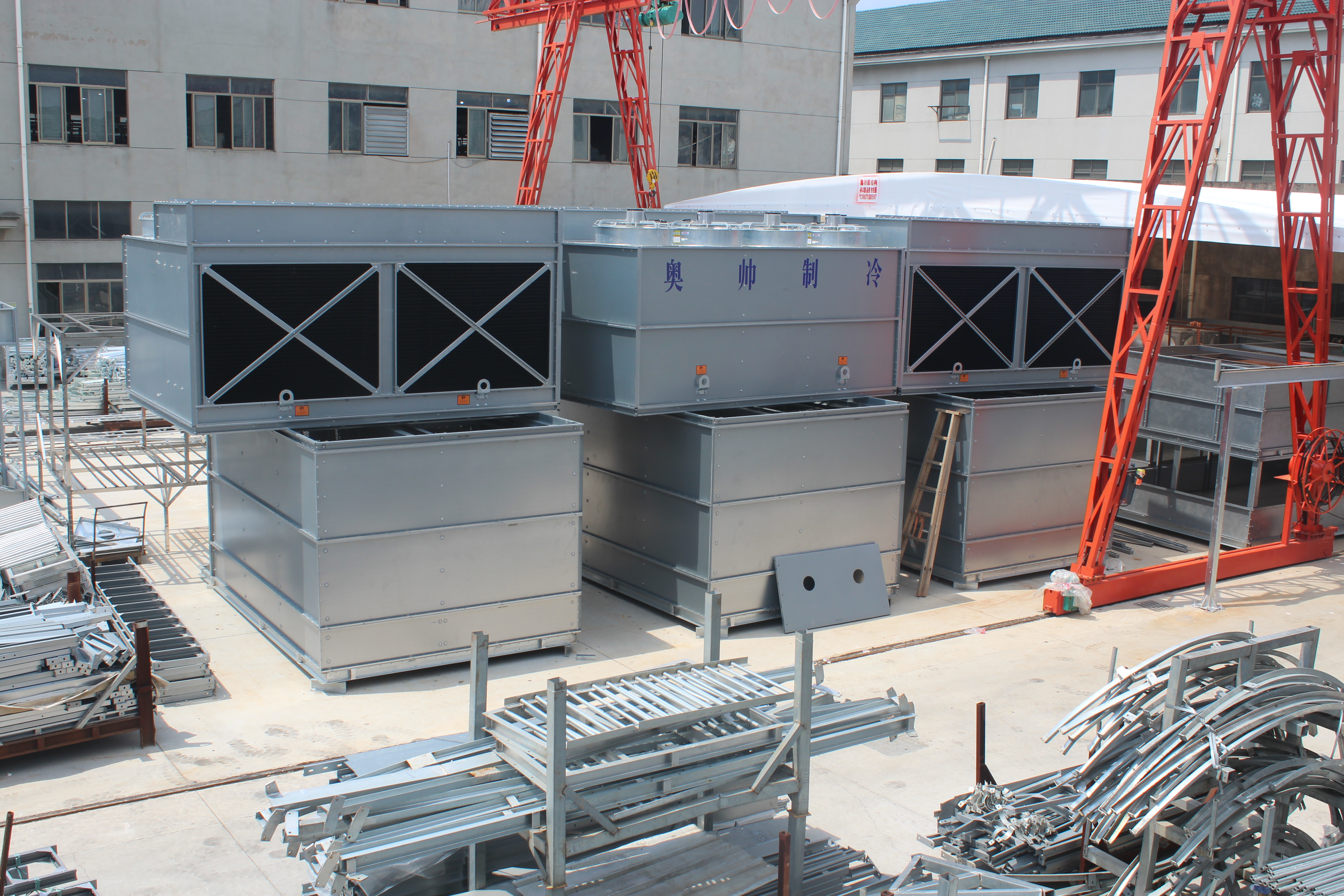 | 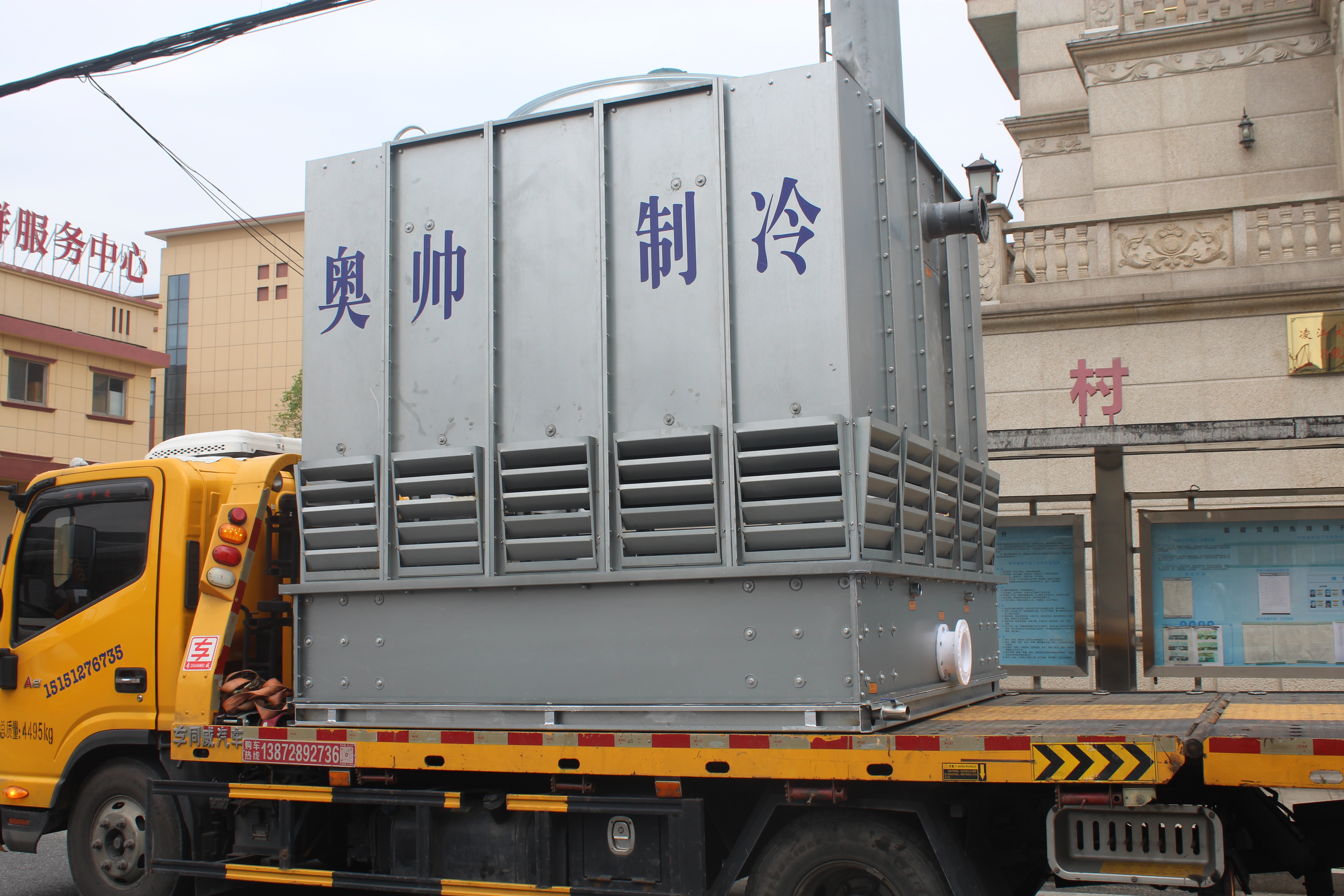 |
Manufacturers of closed circuit cooling towers play a vital role in ensuring the ongoing innovation and optimization of cooling solutions across industries. These manufacturers are responsible for:
Manufacturers work to develop CCCTs that are highly efficient, durable, and easy to maintain. This involves using advanced materials, incorporating cutting-edge heat exchange technology, and designing systems that can withstand varying environmental conditions.
Given the wide range of applications that closed circuit cooling towers serve, manufacturers often provide customized solutions tailored to the specific needs of clients. Whether it's for a large-scale power plant, a data center, or an industrial processing facility, manufacturers ensure that the systems they provide meet the exact cooling requirements of the process.
As energy regulations become stricter globally, manufacturers are increasingly focused on producing cooling towers that meet or exceed industry standards for energy efficiency. Many manufacturers incorporate features like variable speed fans, energy-efficient pumps, and heat recovery systems to further reduce energy consumption and operational costs.
Leading CCCT manufacturers are at the forefront of researching and implementing new materials to enhance the durability and performance of cooling towers. For instance, corrosion-resistant coatings and anti-fouling materials help improve the longevity and efficiency of the system, particularly in harsh environments.
Manufacturers are also increasingly focusing on sustainability, designing cooling towers that use less energy and water while maximizing cooling performance. Many manufacturers are adopting green technologies such as eco-friendly refrigerants and low-impact materials to make their systems more sustainable.
A significant part of a manufacturer's role is offering post-installation services. This can include everything from system monitoring and maintenance to troubleshooting and upgrades. The longevity and optimal performance of cooling towers depend heavily on regular service, which makes after-sales support a critical part of the manufacturer’s offerings.
Power plants, particularly those using thermal energy, rely heavily on cooling systems to regulate temperatures. Closed circuit cooling towers help manage the high heat output from the plant's cooling cycle while conserving water and minimizing environmental impact.
In commercial and industrial buildings, CCCTs are used for air-conditioning systems, helping to regulate the temperature of buildings while reducing energy consumption.
Industries involved in chemical manufacturing and processing require precise temperature control for their operations. Closed circuit cooling towers are ideal for managing the heat generated during chemical reactions and processes.
The food and beverage industry also benefits from closed circuit cooling towers, as they help maintain consistent temperatures during production and packaging, all while avoiding contamination and maintaining sanitary conditions.
With the ever-growing need for data storage and processing power, data centers generate significant amounts of heat. Closed circuit cooling towers provide a reliable and efficient way to cool these centers while minimizing water and energy usage.
As industries continue to push for greater sustainability, energy efficiency, and cost-effectiveness, the role of closed circuit cooling tower manufacturers will only become more important. Innovations in design, materials, and technology will lead to the development of even more advanced cooling solutions.