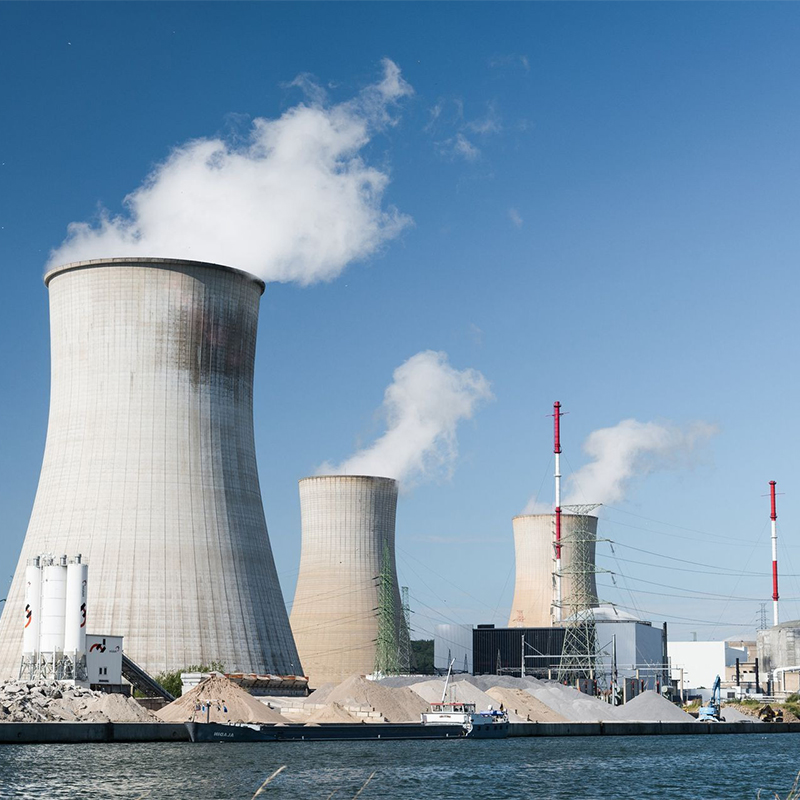
We Provide Cooling Tower Solution

Views: 0 Author: Site Editor Publish Time: 2026-01-15 Origin: Site


Choosing cooling tower chemicals without understanding water quality is like driving at night without headlights. You might move forward for a while, but sooner or later, trouble is guaranteed. Scale buildup, corrosion damage, biological growth, rising energy costs—these problems almost always trace back to one root cause: poor alignment between water quality and chemical treatment.
In this article, we’ll walk through how to choose cooling tower chemicals based on water quality—step by step, in plain language, and from a real-world, practical perspective.
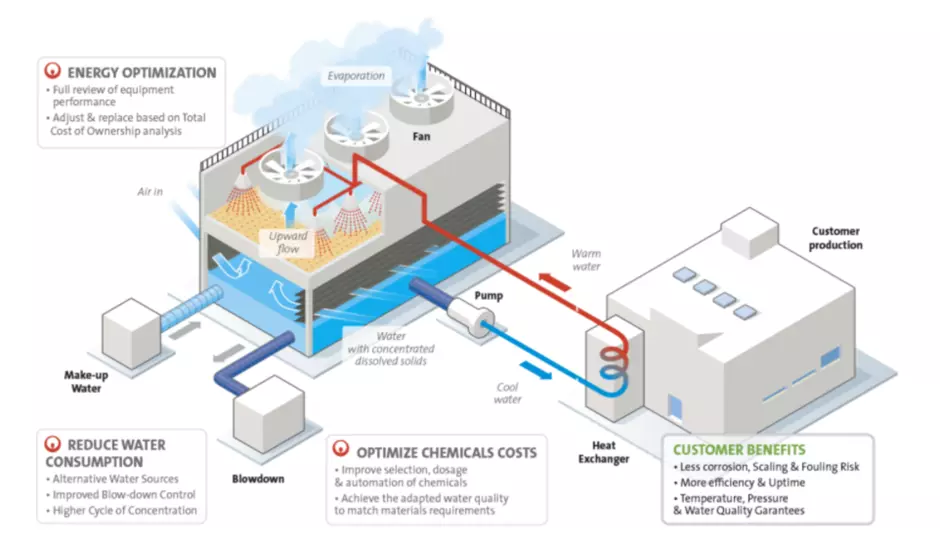
Cooling towers continuously circulate large volumes of water, and that water is rarely pure. Every cycle of evaporation leaves minerals, salts, and microorganisms behind.
As water evaporates, impurities concentrate. Without proper chemical control, these impurities attack your system from three directions:
Scale insulates heat transfer surfaces
Corrosion eats away metal components
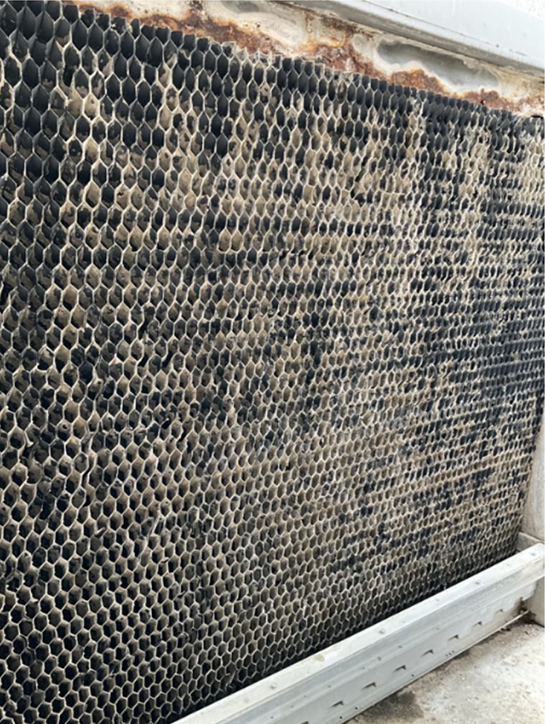
Biological growth blocks airflow and water distribution
Water quality directly impacts heat rejection efficiency, operating costs, and equipment lifespan.
Ignoring water quality is like skipping routine health checkups. Everything looks fine—until it’s not. Suddenly, chillers struggle, energy consumption spikes, and maintenance becomes constant and costly.
Before selecting any chemicals, you must understand what’s actually in your water.
pH controls how aggressive water is. Low pH accelerates corrosion, while high pH encourages scale formation. Alkalinity stabilizes pH but can also contribute to scaling if unmanaged.
Hard water is rich in calcium and magnesium—prime ingredients for scale. Left untreated, scale forms like concrete on heat exchanger surfaces, reducing efficiency dramatically.
High TDS increases conductivity, corrosion risk, and blowdown frequency. It also limits how many cycles of concentration your system can safely operate.
Warm, nutrient-rich water is a perfect breeding ground for bacteria and algae. Biological fouling doesn’t just look bad—it strangles system performance.
Once water quality is understood, chemical selection becomes strategic instead of reactive.
Corrosion inhibitors form protective layers on metal surfaces, reducing oxidation and metal loss. The choice depends on system metallurgy and water chemistry.
These chemicals prevent minerals from crystallizing and sticking to surfaces. Think of them as crowd control for calcium and magnesium ions.
Biocides control bacteria, while algaecides target algae. Both are essential for maintaining clean fill, clear basins, and unobstructed airflow.
In challenging conditions, additional chemicals such as pH adjusters, biodispersants, or oxygen scavengers may be required.
This is where effective water treatment really begins.
High-hardness water demands robust scale inhibitors and dispersants. Without them, scale formation is not a possibility—it’s a certainty.
High-TDS systems require strong corrosion inhibition and precise conductivity control. Optimized blowdown strategies are also critical.
Using reclaimed or surface water introduces higher biological load and organic contaminants. Non-oxidizing biocides and specialty dispersants become especially important.
Different systems require different chemical strategies.
Open systems are directly exposed to air and contaminants. They require balanced programs that control scale, corrosion, and biological growth simultaneously.
Closed systems are less exposed but still require corrosion protection and, in some cases, freeze protection—especially in colder climates.
Even the best chemicals fail if dosing is inconsistent.
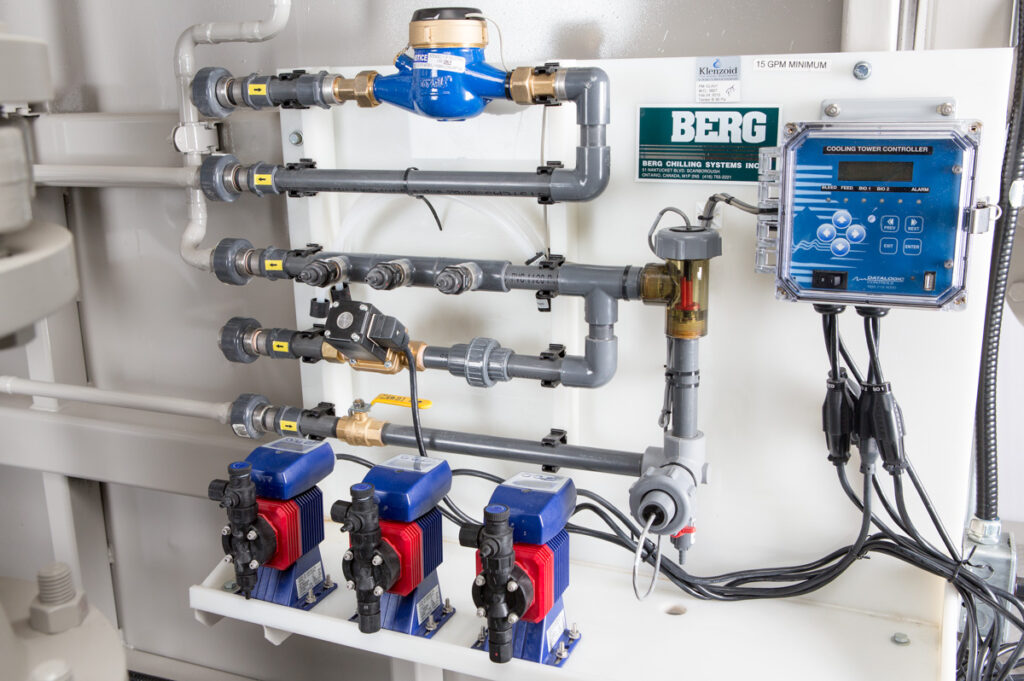
Manual dosing may work for small systems, but automated dosing systems ensure accuracy, consistency, and reduced chemical waste.
Regular water testing and trend analysis allow fine-tuning of chemical programs—much like adjusting seasoning while cooking, not after the dish is ruined.

Modern cooling tower chemical programs must balance performance with environmental responsibility. Low-toxicity, environmentally friendly formulations help meet regulations while protecting operators and surrounding ecosystems.
Using one-size-fits-all chemical programs
Ignoring detailed water analysis
Overdosing chemicals “just to be safe”
Neglecting biological control
Focusing only on short-term cost
Each mistake reduces efficiency and increases long-term expenses.
Cooling tower chemistry is closely tied to system design, materials, and airflow characteristics. Working with experienced manufacturers ensures chemical programs align with the cooling tower’s actual operating conditions.
MACH Cooling understands that effective water treatment starts with proper cooling tower design. By combining optimized tower structures with water-quality-based chemical strategies, MACH Cooling helps customers achieve:
Stable and efficient operation
Reduced chemical consumption
Lower maintenance costs
Extended equipment service life
Learn more at https://www.machcooling.com/.
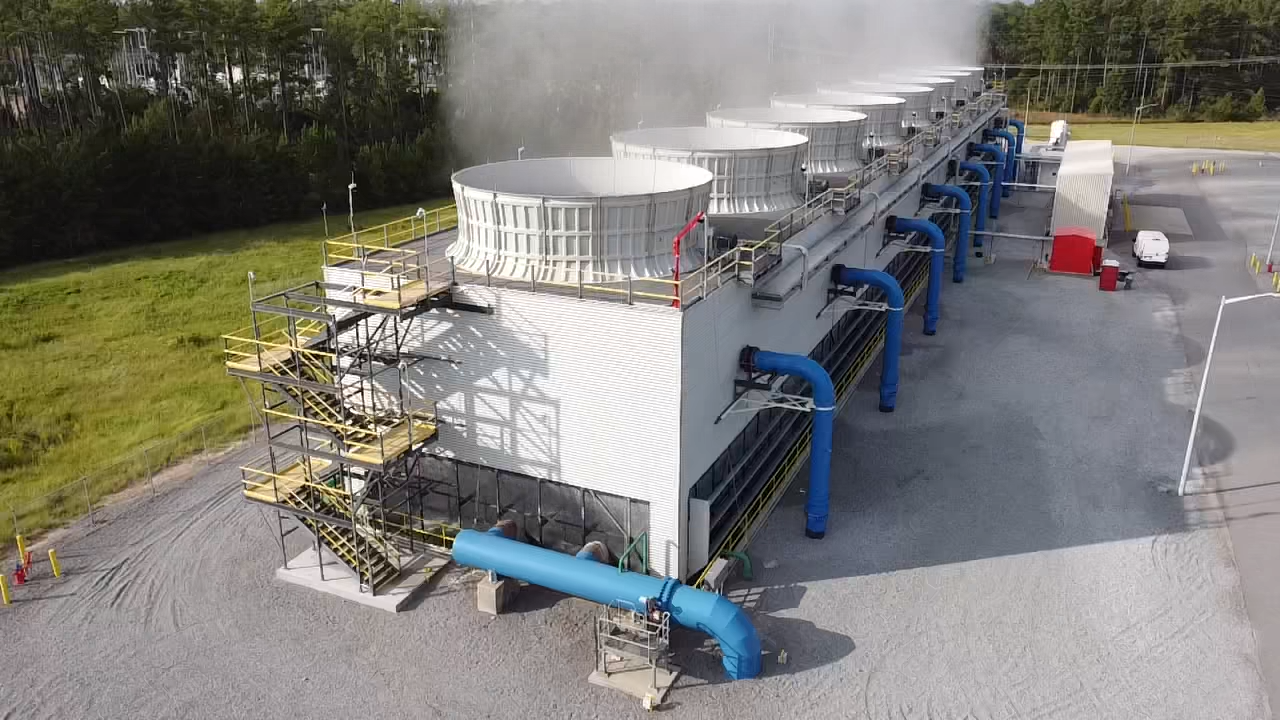
Choosing cooling tower chemicals based on water quality isn’t optional—it’s essential. When water analysis, chemical selection, and cooling tower design work together, the result is a system that runs cleaner, cooler, and more efficiently.
Get the chemistry right, and your cooling tower will reward you with reliable performance for years to come.