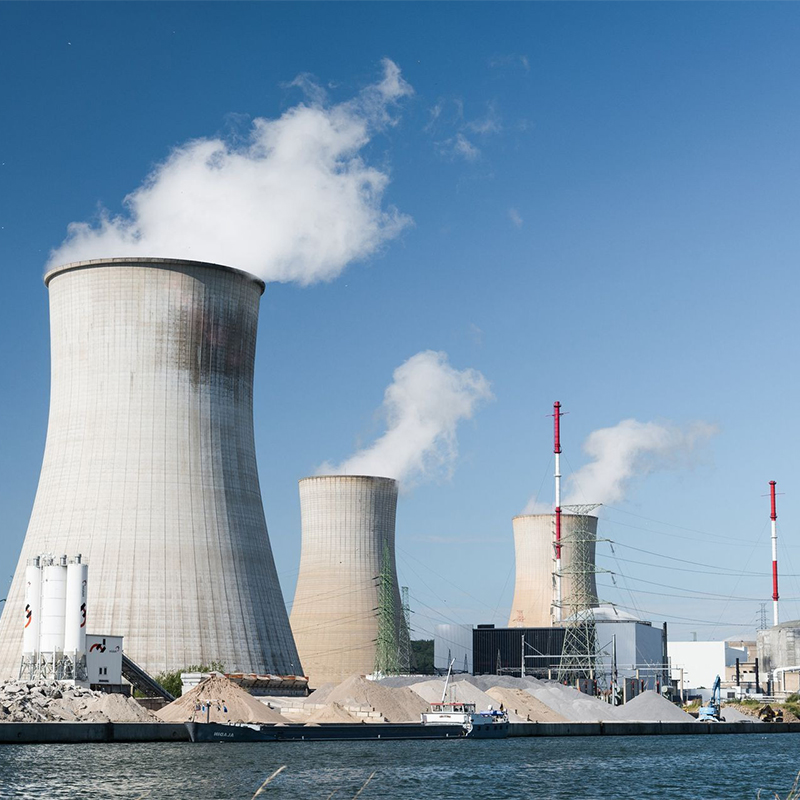
We Provide Cooling Tower Solution

Views: 0 Author: Site Editor Publish Time: 2026-02-09 Origin: Site


Industrial cooling tower fans are the unsung heroes of facilities that rely on effective heat rejection. They ensure your system runs efficiently, lower energy costs, and keep your cooling tower performing consistently, no matter the heat load. But did you know there are multiple types of fans, each designed for different applications? Let’s explore the details.

Cooling tower fans are more than spinning blades—they are the lifeline of your system. They move air through the tower, accelerate evaporation, and directly impact cooling efficiency. Without the right fan, even the largest tower can underperform, wasting energy and money.
Fans regulate airflow across the fill media. Faster air movement improves evaporation, lowering water temperature and increasing system efficiency. Think of them like the lungs of your cooling tower—they breathe life into the system.
A fan’s energy draw can account for a significant portion of operational costs. Choosing the right fan type and integrating smart controls can reduce energy consumption dramatically.
The blade design affects airflow, noise, and energy efficiency. Common types include straight, backward-curved, and aerofoil designs.
Fans can be direct-drive or belt-driven, with motors being AC or DC. Each setup has trade-offs in maintenance, energy efficiency, and cost.
The casing and structure influence airflow uniformity and durability. Strong support reduces vibration, lowers noise, and extends service life.
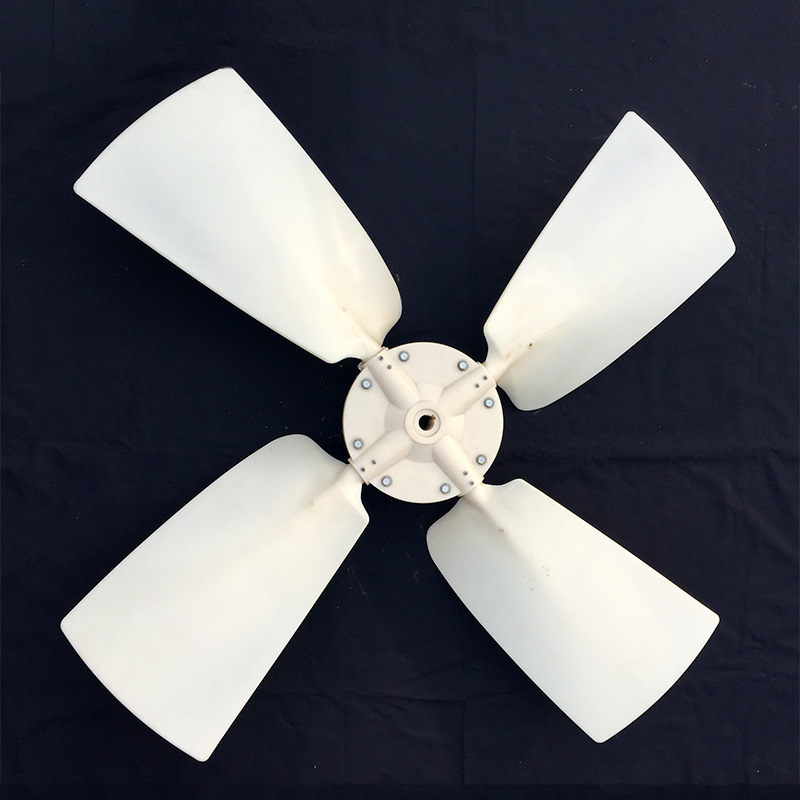
Axial fans move air along the fan axis and are the most common type due to simplicity and high airflow capacity.
Forced Draft Fans push air into the tower from the bottom.
Induced Draft Fans pull air through the tower at the top. They offer better efficiency and quieter operation.
Centrifugal fans move air radially from the center outward. They are ideal when higher pressure is needed or airflow must overcome resistance.
Some cooling towers combine axial and centrifugal principles to maximize efficiency while minimizing energy use.
Steel Blades: Strong, durable, suitable for heavy-duty industrial environments.
FRP Blades: Corrosion-resistant, lightweight, ideal for chemical or coastal conditions.
Material selection directly affects service life, maintenance frequency, and consistent performance under harsh conditions.
Cooling towers in power plants require high-capacity, reliable fans to manage large thermal loads efficiently.
Fans must resist corrosion and handle variable airflow to maintain process safety and consistent cooling.
Smaller axial fans are widely used in commercial HVAC systems for quiet, energy-efficient operation.
Precision airflow and redundancy are critical, making fan selection a key operational factor for data centers.
Blade erosion or cracking
Motor overheating
Vibration and imbalance
Noise generation
Regular inspections, blade balancing, motor checks, and debris cleaning extend fan life and maintain efficiency.
VFDs allow fans to adjust speed based on load, reducing energy use while maintaining cooling performance.
Integration with sensors and Building Management Systems (BMS) enables optimized airflow, energy savings, and predictive maintenance.
Load requirements
Tower type (forced vs induced draft)
Environmental conditions (corrosive, coastal, high humidity)
Energy efficiency goals
Axial fans suit high airflow, low-pressure needs; centrifugal fans are ideal for high-resistance scenarios. Hybrid fans meet specialized performance requirements.


Mach Cooling provides tailored industrial cooling tower fans for:
Energy-efficient performance
Corrosion-resistant environments
Custom designs for industrial and commercial applications
Their expertise ensures fans meet operational demands while minimizing maintenance and energy costs. Learn more at https://www.machcooling.com/.
Industrial cooling tower fans are crucial for performance, efficiency, and reliability. Understanding types, materials, and applications ensures your facility chooses the right solution, saving energy and reducing costs. Properly designed, maintained, and integrated fans keep your cooling tower running smoothly for years, delivering consistent results across all industries.