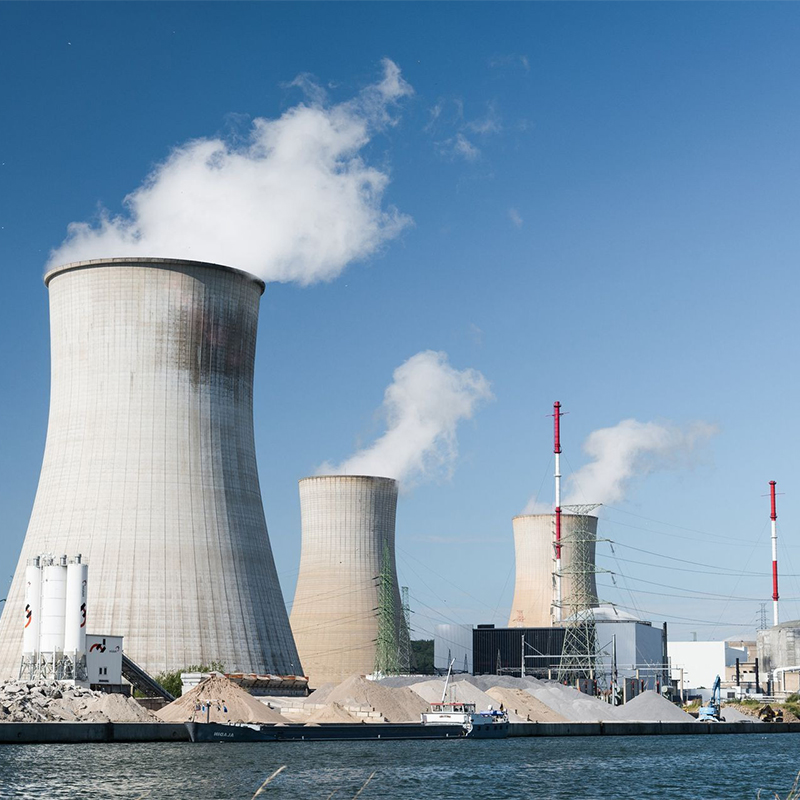
We Provide Cooling Tower Solution

Views: 0 Author: Site Editor Publish Time: 2026-02-09 Origin: Site


Have you ever wondered what happens to all that water circulating in industrial cooling towers? It’s not just ordinary water—it carries heat, minerals, and sometimes contaminants. Without proper wastewater treatment, this water can harm the environment, corrode equipment, and increase operational costs. That’s why industries across sectors rely on advanced wastewater treatment for their cooling towers.
Cooling tower wastewater, also called blowdown, is the portion of circulating water removed to control mineral buildup. It contains dissolved solids, chemicals, and occasionally suspended particles. Proper management ensures efficiency and environmental compliance.
Dissolved minerals: calcium, magnesium, silica
Chemicals: biocides, corrosion inhibitors
Particulate matter and sludge
Untreated blowdown can pollute rivers, lakes, or soil. Modern treatment methods reduce contaminants before discharge, protecting aquatic life and meeting environmental regulations.
High mineral content and sludge can clog pipes and corrode heat exchangers. Treating wastewater prevents scale and corrosion, extending cooling tower life.
Recycling treated water reduces freshwater consumption, saving money and supporting sustainability goals.
In thermal and nuclear power plants, massive amounts of water are used for cooling. Wastewater treatment ensures compliance with discharge permits while allowing some water to be recycled back into the system.
Petroleum refineries and chemical plants produce blowdown containing hydrocarbons. Advanced treatment removes harmful substances, preventing environmental contamination.
High-temperature operations generate mineral-rich wastewater. Treatment prevents scaling and improves cooling efficiency.
Wastewater often contains dyes and chemicals. Proper treatment ensures safe discharge and reduces water footprint.

Sedimentation tanks to remove solids
Filtration systems for suspended particles
pH adjustment to prevent corrosion
Coagulation and flocculation to remove fine particles
Biocide treatment to prevent microbial growth
Reverse osmosis for recycling
Ion exchange to remove hardness
Membrane filtration for industrial-grade reuse
Cooling towers range from small units to multi-cell towers handling thousands of tons of water per day. Treatment systems must match these capacities.
Different industries have varying discharge limits for TDS, pH, and heavy metals. Treatment systems must ensure compliance.
Efficient wastewater treatment should integrate seamlessly with cooling tower operations, minimizing downtime and energy consumption.
Treated water can be recirculated, reducing freshwater demand—a critical advantage in water-scarce regions.
By maintaining clean heat exchangers and pipes, energy efficiency improves, lowering operational costs.
Implementing effective treatment demonstrates commitment to sustainability and regulatory responsibility, boosting corporate image.
Volume of blowdown
Water quality and chemical composition
Desired level of recycling
Available space and infrastructure
Mach Cooling (https://www.machcooling.com/) provides high-quality industrial cooling towers and integrated wastewater solutions. Their expertise ensures efficient, durable, and environmentally compliant systems suitable for diverse industries.
A thermal power plant reduced freshwater usage by 40% after integrating Mach Cooling towers with a customized wastewater treatment system.
By treating blowdown with advanced chemical and membrane filtration, a refinery prevented hydrocarbon contamination and met all regulatory discharge limits.
Proper sizing is crucial
Regular monitoring prevents operational issues
Collaboration with experienced manufacturers improves outcomes
Sensors and IoT devices now allow real-time water quality monitoring, ensuring optimal treatment and energy savings.
Solar-assisted systems, low-energy filtration, and full water recycling are becoming standard in modern facilities.
Industries are moving toward zero-liquid-discharge (ZLD) systems, maximizing water reuse and minimizing environmental impact.
Cooling tower wastewater treatment is no longer optional—it’s essential for industrial efficiency, environmental compliance, and cost savings. Across power plants, petrochemical industries, and manufacturing sectors, Mach Cooling provides reliable solutions that combine high performance, water conservation, and sustainability. Whether you’re aiming to recycle water, reduce costs, or meet regulatory standards, implementing an effective treatment system ensures your operations run smoothly while protecting the planet.