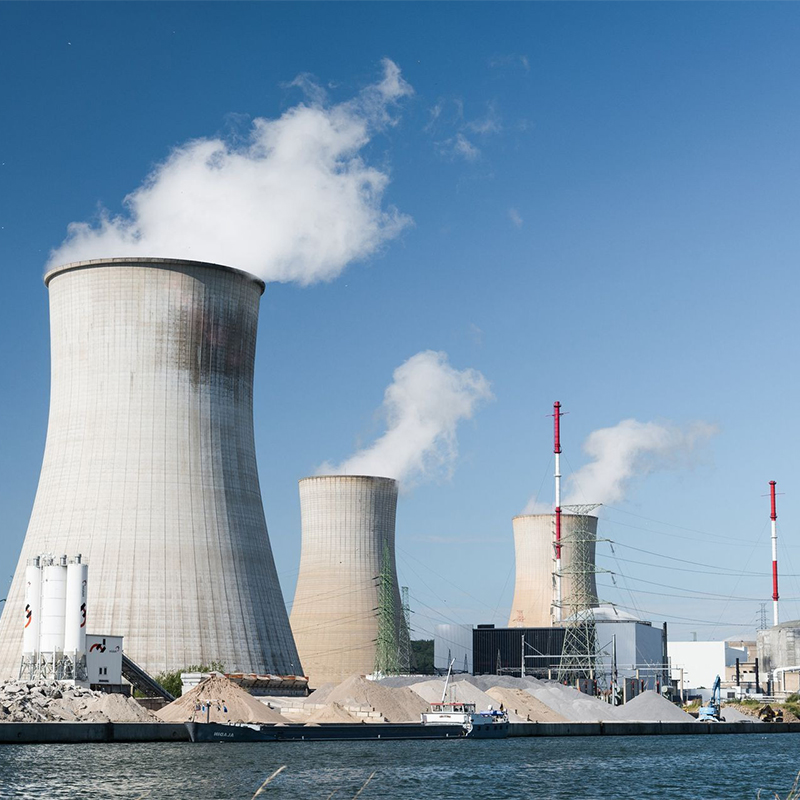
We Provide Cooling Tower Solution

Views: 0 Author: Site Editor Publish Time: 2026-02-07 Origin: Site


Cooling towers are critical components in HVAC systems and industrial processes, yet they can become hotspots for microbial contamination, corrosion, and scale formation. One of the most serious risks is Legionella, the bacteria responsible for Legionnaires’ disease.
Effective cooling tower testing not only ensures optimal system performance but also acts as a preventive measure against health hazards and operational risks.

Legionella bacteria thrive in warm, stagnant water, making cooling towers an ideal environment. They often form biofilms on surfaces, which protect them from biocides and make eradication more challenging.
When water droplets contaminated with Legionella are inhaled, they can cause Legionnaires’ disease, a potentially fatal form of pneumonia. Vulnerable populations include the elderly, immunocompromised individuals, and people with chronic lung conditions.
This underscores why regular cooling tower testing is essential—not just for operational efficiency but also for public health protection.
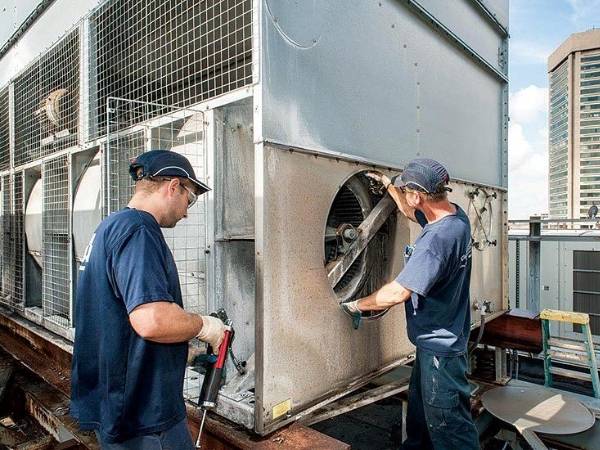
Even without Legionella, microbial growth can reduce heat transfer efficiency, clog pipes, and create foul odors. Biofilms are particularly stubborn and often require specialized testing to detect.
Metals and surfaces inside cooling towers can corrode over time, especially if water chemistry is unbalanced. Corrosion not only damages the tower but also releases iron and other metals that fuel microbial growth.
Hard water can leave scale deposits, reducing efficiency and supporting bacterial growth. Sediment accumulation at the bottom of the sump can obstruct pumps and increase maintenance costs.
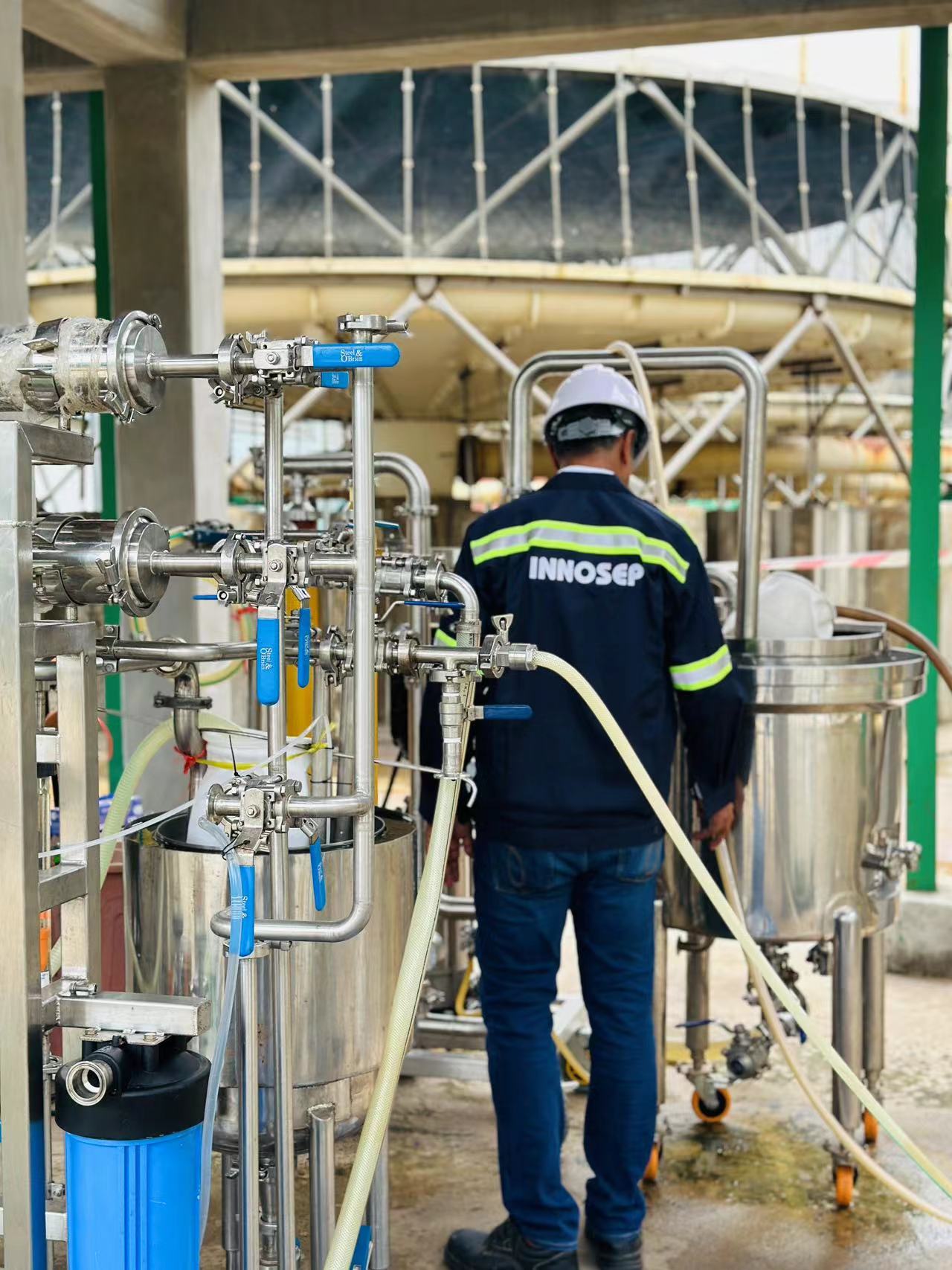
Regular microbial testing detects bacteria and biofilm before they reach hazardous levels, enabling timely intervention.
Testing monitors flow, temperature, and water distribution, ensuring the tower operates at peak efficiency. A well-performing system minimizes stagnant zones where bacteria thrive.
Testing pH, conductivity, and chemical levels ensures water treatment is effective and prevents scaling, corrosion, and microbial growth.
Legionella testing often involves water sampling, culture methods, or rapid detection kits to identify bacterial presence.
Total bacterial counts provide insight into overall microbial load, helping operators gauge system cleanliness.
These indicators determine water treatment effectiveness and the risk of corrosion or bacterial proliferation.
High turbidity or water hardness can indicate sediment or scale buildup, which supports microbial growth.
Mechanical inspections ensure pumps, nozzles, and valves function properly. Poor water distribution can create stagnant zones, increasing risk.
Testing allows operators to identify issues before they escalate, reducing the likelihood of Legionella outbreaks or system failures.
Early detection of microbial contamination, scaling, or pump inefficiencies prevents emergency shutdowns and costly repairs.
Many regions require documented cooling tower testing to comply with safety and environmental regulations. Regular testing keeps facilities compliant and audit-ready.
High-risk facilities: monthly microbial testing
Medium-risk: quarterly testing
Water chemistry: weekly or biweekly depending on system load
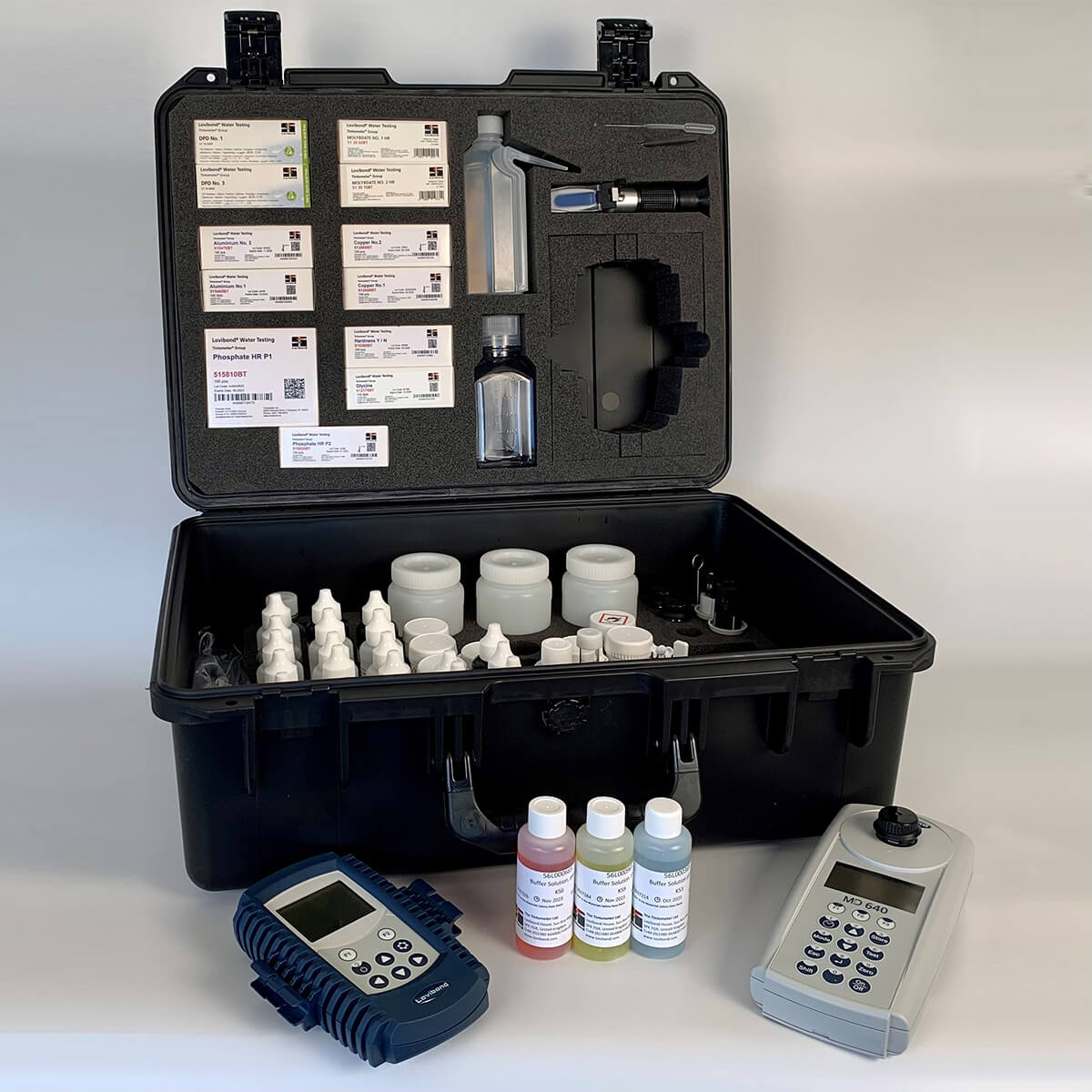
From rapid test kits to advanced lab equipment, selecting appropriate tools ensures accurate results and timely intervention.
Documenting test results, corrective actions, and maintenance helps track system health over time and demonstrates compliance with safety standards.

MACH Cooling (https://www.machcooling.com/) provides integrated cooling tower solutions designed with testing, monitoring, and system reliability in mind. Their approach includes:
Optimized tower design for even water distribution
Integrated water quality monitoring systems
Materials resistant to corrosion and biofilm formation
Maintenance programs that incorporate regular microbial and water chemistry testing
These solutions ensure that cooling towers not only meet performance goals but also mitigate health risks like Legionella.
Cooling towers are vital to many industrial and commercial processes, but they carry inherent risks if not properly monitored. Cooling tower testing—covering microbial presence, water chemistry, and system performance—is a proactive approach to:
Prevent Legionella outbreaks
Reduce microbial growth, fouling, and corrosion
Maintain regulatory compliance
Extend system life and improve efficiency
Partnering with an experienced manufacturer like MACH Cooling ensures your towers operate safely, efficiently, and reliably, giving operators peace of mind and protecting public health.