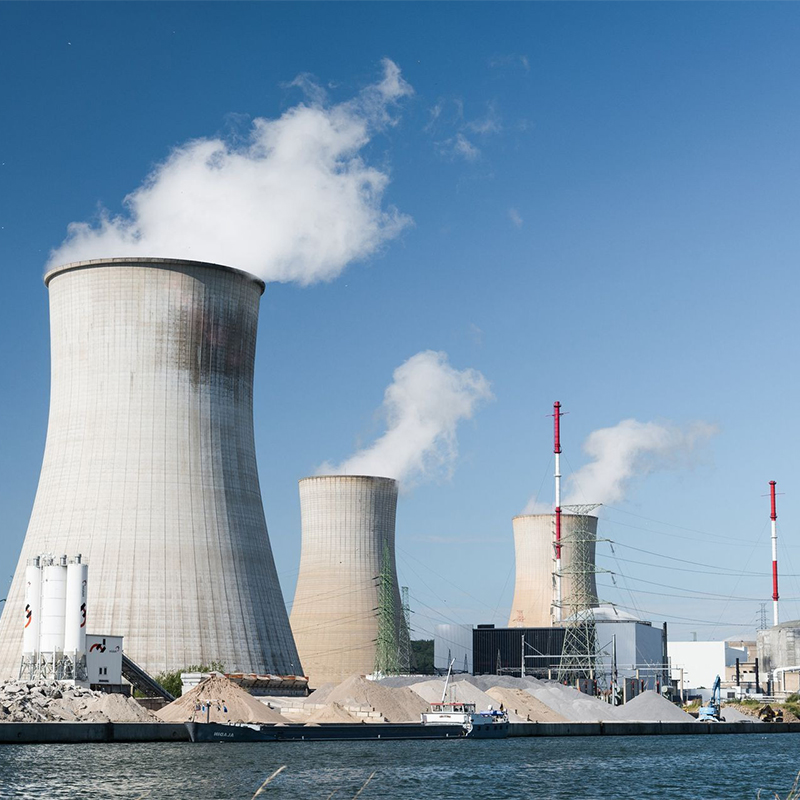
We Provide Cooling Tower Solution

Views: 0 Author: Site Editor Publish Time: 2026-02-07 Origin: Site


If you operate or manage an industrial cooling system, you already know one hard truth: scaling, fouling, and corrosion rarely show up alone. They’re like bad neighbors—once one moves in, the others usually follow.
That’s why modern facilities don’t just look for quick fixes anymore. They look for comprehensive cooling tower solutions that address the root causes, not just the symptoms. In this article, we’ll break down how smart cooling tower solutions help prevent scaling, control fouling, and minimize corrosion—while improving efficiency, reliability, and long-term operating costs.
Scaling occurs when dissolved minerals—primarily calcium and magnesium—precipitate out of the water and stick to heat transfer surfaces. Think of it like kettle scale, but on an industrial scale.
Common causes include:
High hardness makeup water
Elevated cycles of concentration
Poor chemical control
Once scale forms, heat transfer efficiency drops fast. Even a thin layer can significantly increase energy consumption.
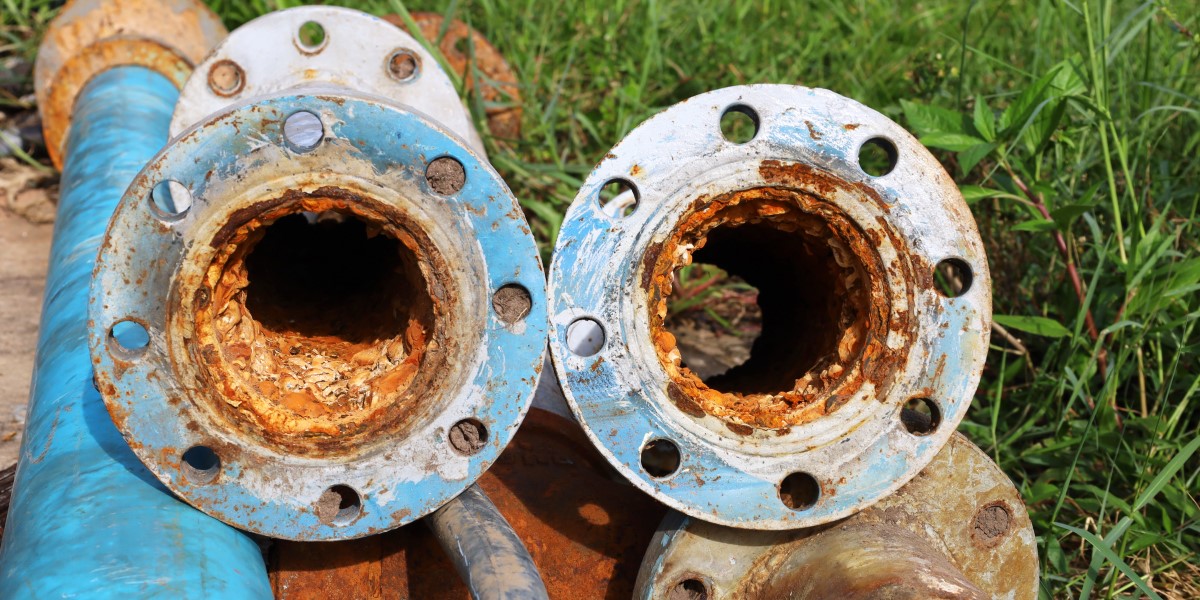
Fouling is the unwanted buildup of biological growth, suspended solids, and organic matter. Unlike scale, fouling is often soft, slimy, and deceptively dangerous.
Sources of fouling include:
Dust and airborne contaminants
Algae and bacteria
Process leaks
Left untreated, fouling restricts water flow, harbors bacteria, and accelerates corrosion under deposits.

Corrosion is the gradual destruction of metal surfaces due to chemical or electrochemical reactions. In cooling towers, it’s usually driven by:
Oxygen-rich warm water
Improper pH control
Chlorides and sulfates
Microbiologically influenced corrosion (MIC)
Corrosion doesn’t just damage equipment—it can lead to unexpected shutdowns and costly replacements.
Treating scaling without addressing fouling is like mopping the floor while the tap is still running. Isolated solutions often shift the problem instead of solving it.
Modern cooling tower solutions take a holistic approach:
Water chemistry
Mechanical filtration
Material selection
Intelligent operation
An integrated solution ensures:
Stable water quality
Consistent heat transfer
Longer equipment lifespan
Lower total cost of ownership
Manufacturers like MACH Cooling (https://www.machcooling.com/) design systems with this big-picture mindset from the start.
Chemical treatment remains the backbone of scale prevention. Effective programs typically include:
Scale inhibitors
pH control agents
Dispersants
The key is precise dosing—too little invites scale, too much wastes money and risks corrosion.
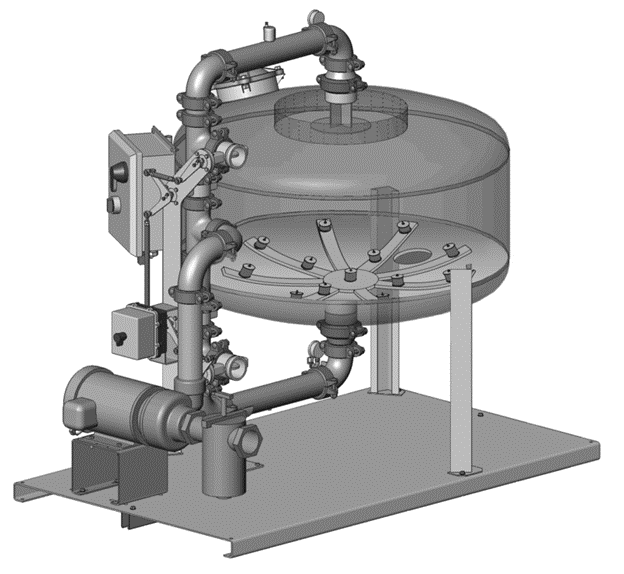
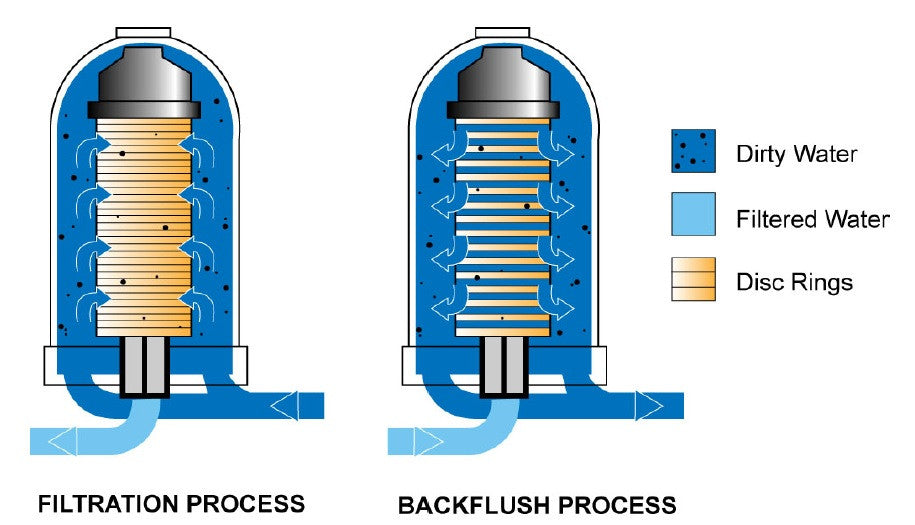
Side stream filtration removes suspended solids before they become scale nucleation points. Common options include:
Sand filters
Multimedia filters
Automatic self-cleaning filters
In dusty or industrial environments, this is one of the most cost-effective cooling tower solutions available.
Reducing hardness in makeup water directly lowers scale risk. Depending on site conditions, solutions may include:
Ion exchange softeners
Partial softening systems
Controlled blowdown optimization
Microbial growth thrives in warm, wet environments. Effective fouling control requires:
Oxidizing biocides
Non-oxidizing biocides
Alternating treatment programs
Consistency is everything—sporadic treatment only trains bacteria to fight back.
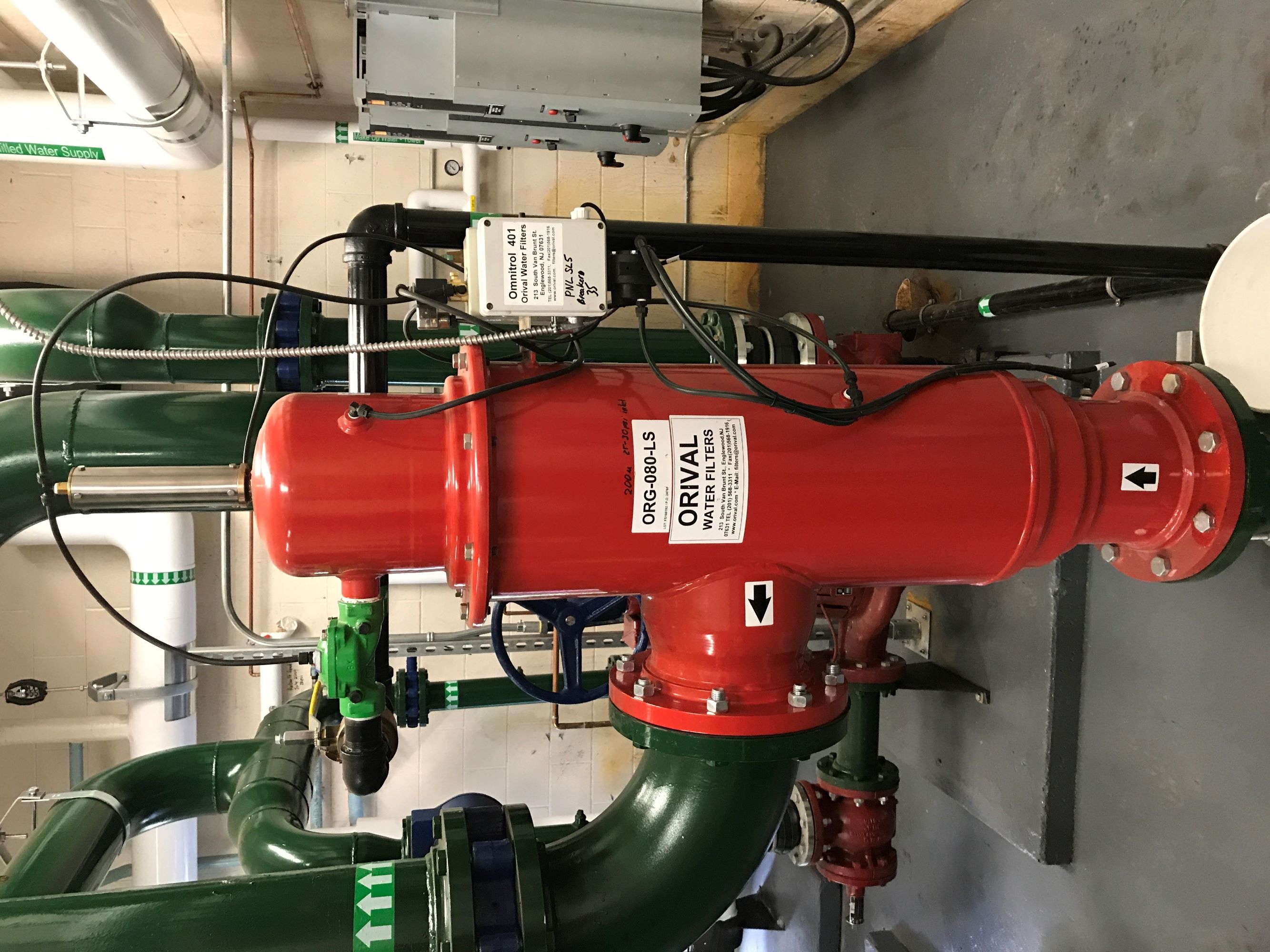
Filtration isn’t just for scale—it’s a frontline defense against fouling. Removing silt, fibers, and debris prevents:
Biofilm attachment
Sludge accumulation
Under-deposit corrosion
This is why many cooling tower solutions combine chemical and mechanical approaches.
Modern cooling tower designs reduce fouling by:
Improving water distribution
Eliminating dead zones
Using fouling-resistant fill materials
Companies like MACH Cooling engineer towers with maintenance-friendly layouts that simplify cleaning and inspection.
Not all cooling towers are created equal. Corrosion resistance starts with:
FRP structures
Hot-dip galvanized or stainless steel
Protective coatings
Choosing the right materials upfront is one of the smartest long-term cooling tower solutions.
Chemical inhibitors form protective films on metal surfaces, reducing corrosion rates. These programs are tailored based on:
Metallurgy
Water chemistry
Operating temperature
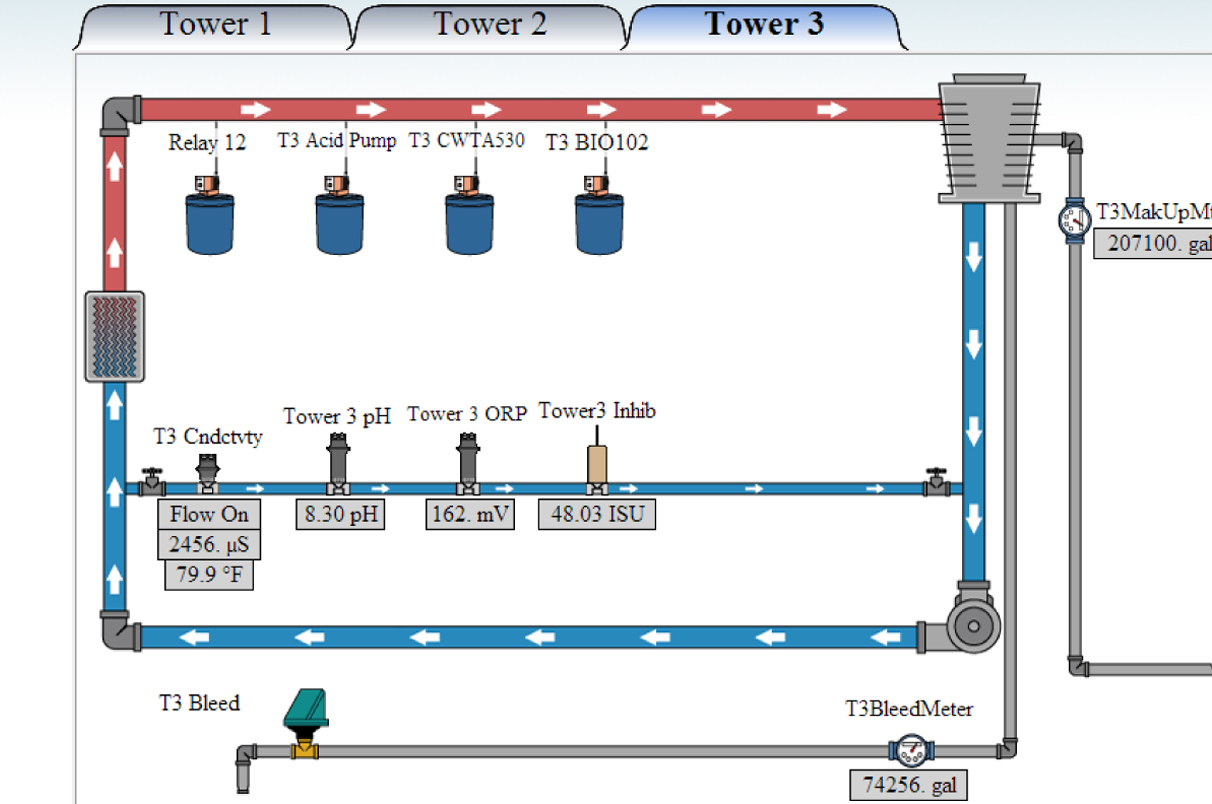
Automation transforms corrosion control from guesswork into science. Online monitoring systems track:
pH
Conductivity
ORP
Corrosion rates
Automated control ensures fast response and stable operation.
Hybrid systems combine wet and dry cooling to:
Reduce water consumption
Minimize plume
Improve seasonal efficiency
They’re especially valuable in regions with water restrictions.
Reducing drift loss means:
Less chemical loss
Lower environmental impact
Reduced corrosion around the tower
A small component with a big payoff.
Smart cooling tower solutions now integrate:
IoT sensors
Cloud-based analytics
Predictive alerts
Instead of reacting to failures, operators can prevent them.
These facilities demand:
High reliability
Robust materials
Redundant systems
Scaling or corrosion here isn’t just costly—it’s critical.
For HVAC-driven towers, priorities include:
Energy efficiency
Quiet operation
Compact footprints
Tailored cooling tower solutions ensure stable comfort and uptime.
Process contamination risks require:
Precise water chemistry control
Specialized materials
Strict fouling prevention
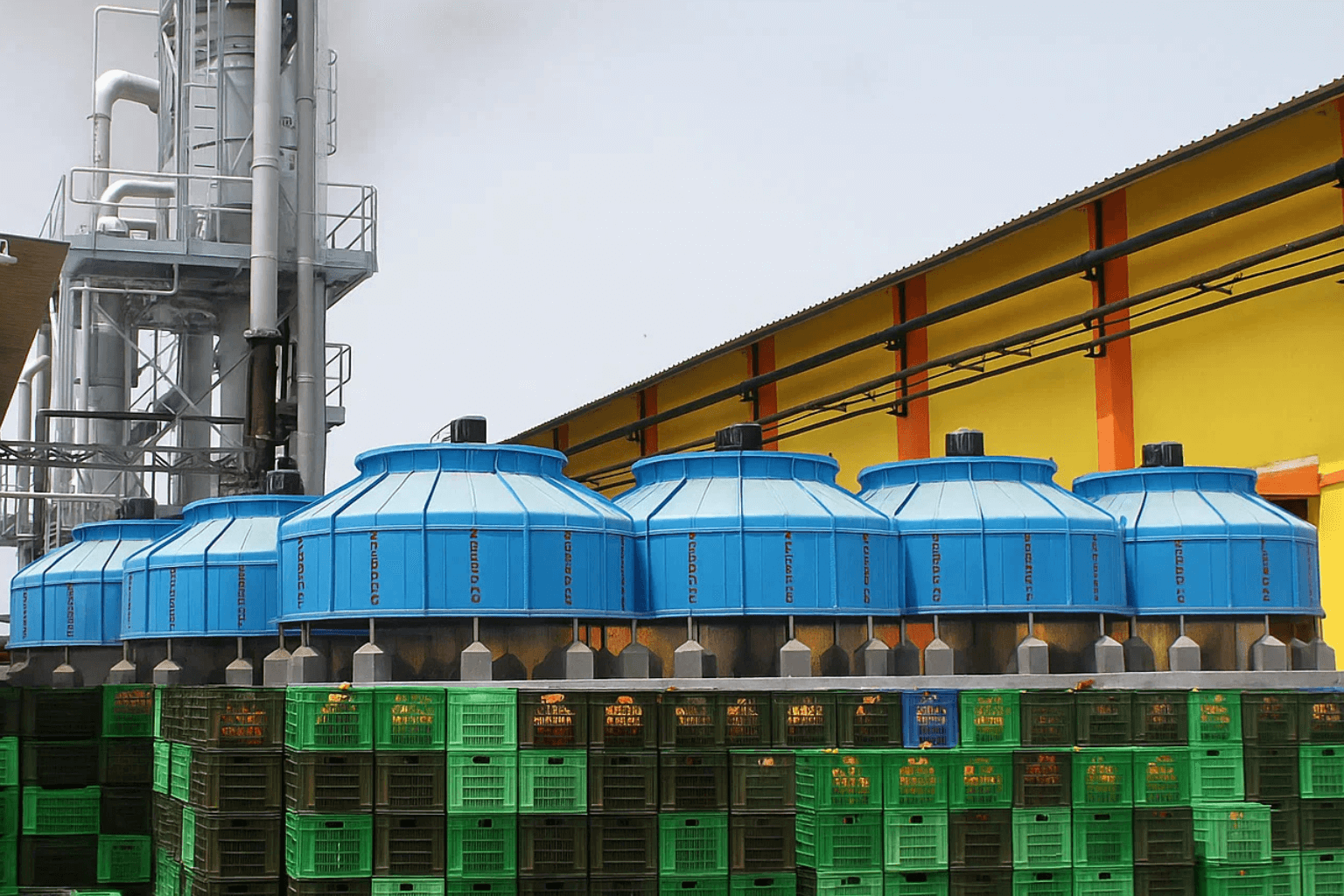
A cooling tower isn’t just equipment—it’s a system. Working with an experienced manufacturer like MACH Cooling ensures:
Proper design from day one
Customized cooling tower solutions
Long-term technical support
You can explore their engineered systems at https://www.machcooling.com/.
Before selecting a solution, ask:
Is it customized to my water quality?
Does it address scaling, fouling, and corrosion together?
What’s the long-term operating cost?
Good answers save years of trouble.
Even the best cooling tower solutions need attention. Regular inspections help detect:
Early scale formation
Fouling hotspots
Corrosion initiation
An informed operator is your first line of defense. Training ensures:
Proper chemical handling
Correct system adjustments
Faster problem detection

Scaling, fouling, and corrosion are inevitable challenges—but failure isn’t. With integrated cooling tower solutions, facilities can:
Improve heat transfer efficiency
Extend equipment lifespan
Reduce water, energy, and maintenance costs
The key is thinking beyond quick fixes and choosing system-level strategies supported by experienced manufacturers like MACH Cooling. When cooling tower solutions are done right, the entire operation runs cooler, cleaner, and smarter.