We Provide Cooling Tower Solution

Views: 0 Author: Site Editor Publish Time: 2026-02-07 Origin: Site


Cooling towers may look simple from the outside, but anyone who has worked around them knows the truth—they are powerful industrial systems combining moving machinery, electricity, chemicals, water, and height-related risks. Without proper cooling tower safety precautions, these systems can quickly turn from reliable assets into serious hazards.
Whether you are an operator, maintenance technician, facility manager, or project decision-maker, understanding cooling tower safety is not just good practice—it’s essential for protecting people, equipment, and long-term operations.
This guide walks you through the most important safety precautions every operator should know, explained in a practical, human-friendly way.
Cooling towers operate quietly in the background, rejecting heat and keeping HVAC or industrial processes stable. But behind that quiet operation lies a complex mix of rotating fans, electrical motors, elevated platforms, and chemical dosing systems.
Think of a cooling tower like a calm river hiding strong currents underneath. If you respect it and follow safety rules, it works beautifully. Ignore precautions, and problems surface fast.
That’s why cooling tower safety should never be reactive—it must be built into daily operation.
Safety precautions are not just about compliance; they are about prevention.
Operators and maintenance personnel face real risks, including:
Slips and falls from wet or algae-covered surfaces
Injuries from rotating fans and belts
Chemical burns or inhalation from improper handling
Electrical shock in high-humidity environments
One small shortcut can lead to serious injury.
Unsafe operation also damages equipment:
Excessive vibration shortens fan and motor life
Poor chemical control accelerates corrosion
Improper access leads to structural damage
Safety and reliability always go hand in hand.

Before you can control risk, you need to recognize it.
Cooling tower fans, gearboxes, and drive shafts move with enormous force. Contact with unguarded or rotating components can cause severe injuries. Missing guards or loose panels are never “minor issues.”
Motors, control panels, and sensors operate in a wet environment. Without proper grounding and waterproof enclosures, electrical systems become a silent threat.
Water treatment chemicals—biocides, scale inhibitors, and corrosion inhibitors—are essential, but they are also hazardous if mishandled or overexposed.
Safety starts long before the fan ever turns.
Before startup, operators should:
Inspect fan guards and protective covers
Check ladders, platforms, and handrails
Ensure the basin is clean and free of debris
Confirm no tools or loose materials remain inside
This inspection is like stretching before exercise—it prevents injuries before they happen.
Lockout/Tagout (LOTO) procedures are critical during inspections or repairs. Mechanical and electrical energy must be fully isolated, locked, and clearly tagged before any work begins.
Never rely on “someone else turned it off.”
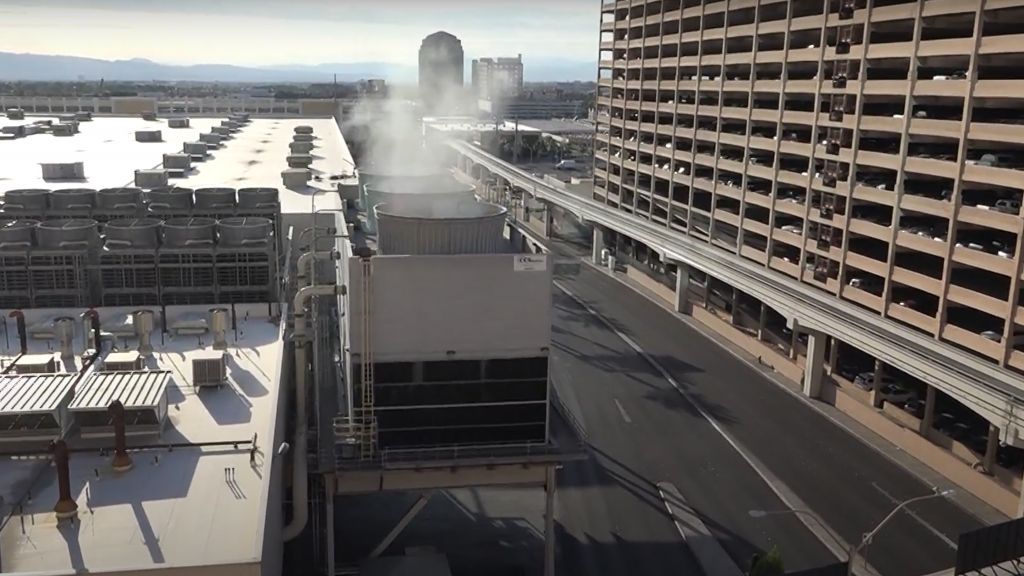
Once the cooling tower is running, safety doesn’t stop—it becomes continuous.
Operators should routinely watch for:
Abnormal noise or vibration
Excessive water drift
Sudden changes in temperature or flow
These signs often indicate mechanical or structural issues developing beneath the surface.
Excessive vibration is the cooling tower’s way of asking for help. Ignoring it is like ignoring a car engine warning light—it never ends well.
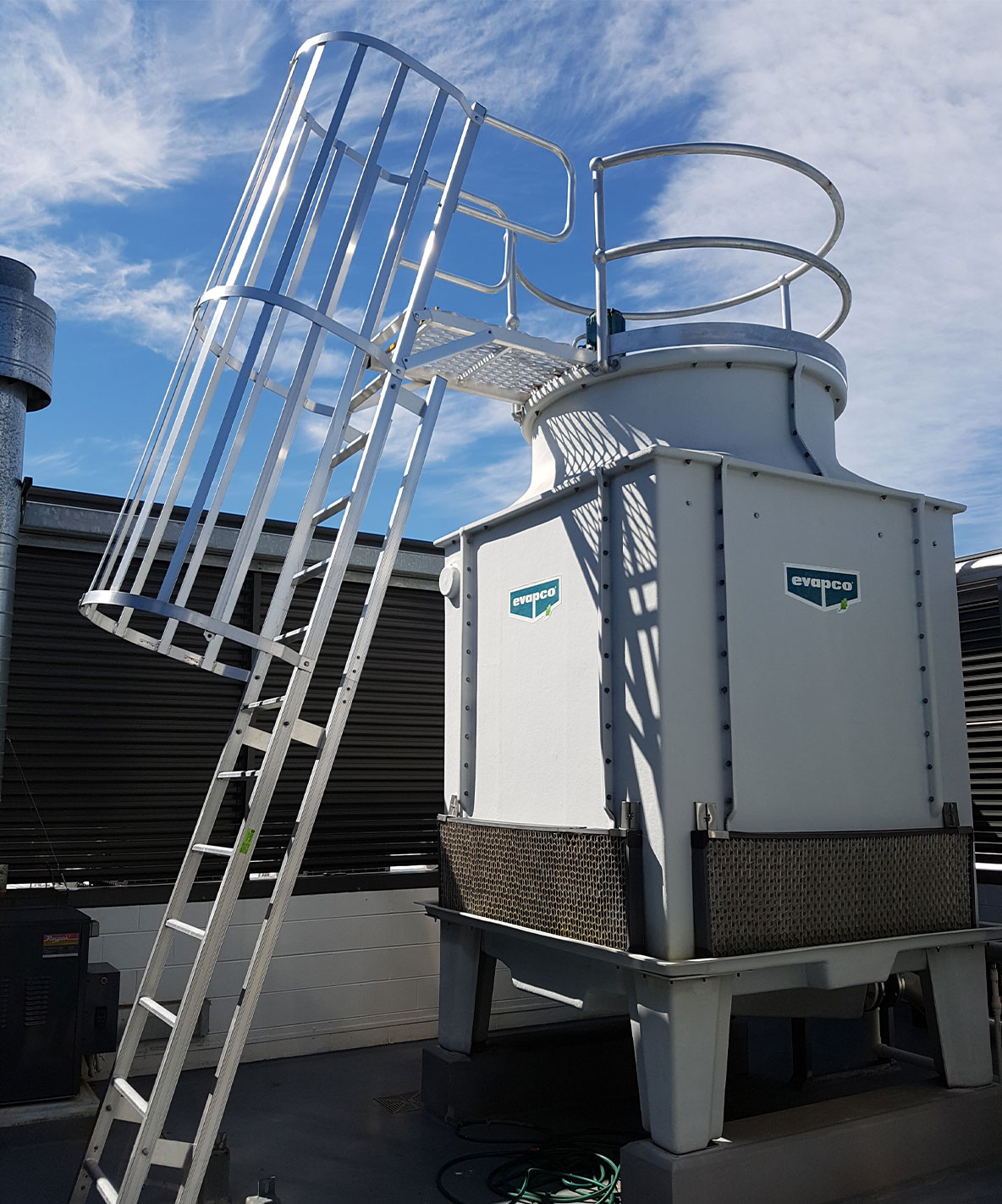
Maintenance activities account for many cooling tower accidents, mainly due to height and confined spaces.
Cooling towers are often elevated structures. When working at height:
Use certified fall protection systems
Wear non-slip safety footwear
Never climb without proper access equipment
Gravity doesn’t forgive mistakes.
Cooling tower basins and internal chambers may qualify as confined spaces. Proper permits, air monitoring, ventilation, and standby personnel are mandatory—not optional.
Water treatment keeps cooling towers efficient, but chemicals demand respect.
Chemicals should be:
Clearly labeled
Stored in ventilated areas
Kept away from incompatible substances
Spills and mixing accidents often start with poor storage.
Essential PPE includes:
Chemical-resistant gloves
Goggles or face shields
Protective clothing and respirators when required
PPE is your final shield—don’t compromise on it.
Electrical work should only be performed by qualified personnel. Key precautions include:
Proper grounding of motors and control panels
Waterproof electrical enclosures
Routine inspection of cables and insulation
Electricity and moisture are a dangerous combination without proper safeguards.

Seasonal changes introduce new hazards:
Ice buildup in winter increases slip and structural risks
Heavy rain and storms affect stability and electrical systems
High heat increases chemical exposure risks
Seasonal startup and shutdown procedures should always include safety checks.
Every facility should have a clear emergency plan, including:
Emergency shutdown procedures
First-aid readiness
Chemical spill response protocols
Prepared teams respond faster and reduce damage.
Safety is not just a manual—it’s a habit. Regular training, safety audits, and toolbox meetings create a culture where operators spot risks early instead of reacting late.
A strong safety culture turns rules into instincts.
Following manufacturer guidelines ensures:
Safe access for maintenance
Operation within design limits
Long-term structural integrity
Ignoring manufacturer recommendations is like ignoring the instructions for heavy machinery—it always costs more later.
Reliable manufacturers design safety into the equipment itself. Mach Cooling focuses on safety-oriented cooling tower design, including:
Corrosion-resistant structures
Stable platforms and easy-access maintenance points
Optimized airflow to reduce vibration and drift
By choosing a trusted manufacturer like Mach Cooling (https://www.machcooling.com/), operators gain both performance and built-in safety confidence.
Cooling tower safety precautions are not a one-time checklist—they are a daily mindset. When safety becomes part of routine operation, accidents decrease, efficiency improves, and equipment lasts longer.
Treat your cooling tower with respect, follow proven safety practices, and it will reward you with years of reliable, trouble-free service.