We Provide Cooling Tower Solution

Views: 0 Author: Site Editor Publish Time: 2026-01-19 Origin: Site


The cooling tower USA market is standing at a turning point. Rising energy costs, water scarcity, strict environmental regulations, and the explosive growth of data centers and advanced manufacturing are reshaping how cooling towers are designed, selected, and operated in the United States.
Cooling towers are no longer just mechanical equipment sitting quietly on rooftops or industrial sites. They are becoming smarter, greener, and more efficient, playing a critical role in sustainability and operational reliability. Let’s explore where the U.S. cooling tower market is headed—and what that means for system owners, engineers, and manufacturers.
Cooling towers are essential across the United States, supporting HVAC systems, industrial processes, power generation, and emerging industries like electric vehicles and data centers.
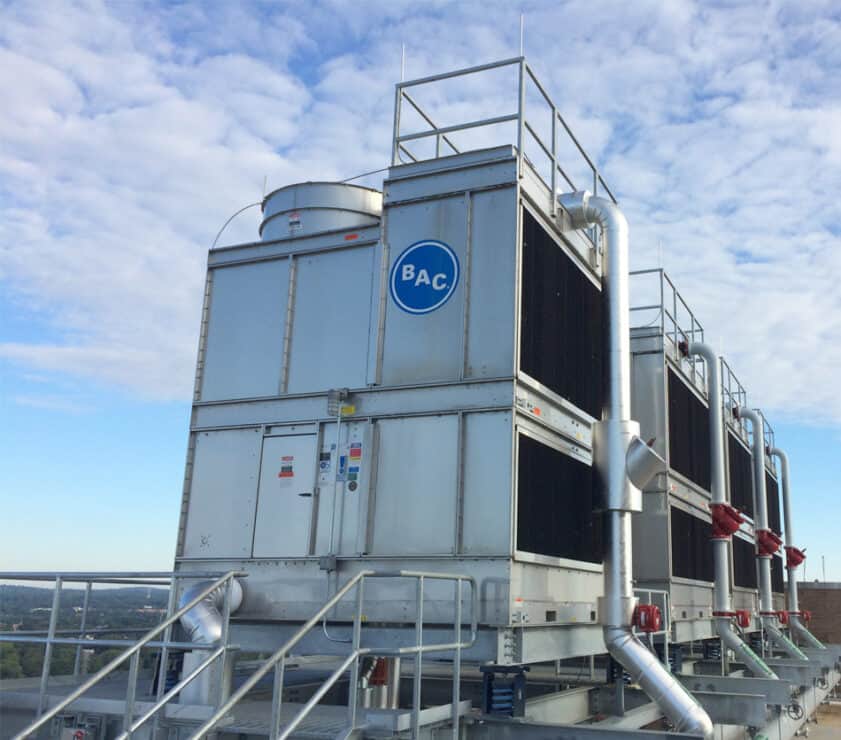
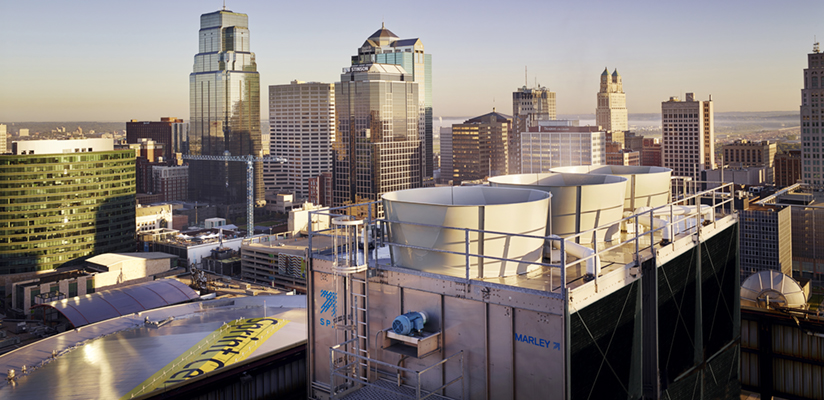
Despite advancements in alternative cooling technologies, cooling towers remain the most cost-effective and scalable solution for large heat rejection applications. What’s changing is how they are designed and optimized.
Several forces are accelerating innovation in the cooling tower sector.
Many U.S. facilities are upgrading aging infrastructure. Old cooling towers are being replaced with modern systems that offer higher efficiency, lower water consumption, and better automation.
Data centers operate 24/7 and generate enormous heat loads. Cooling towers remain a backbone technology for these facilities, particularly in hybrid and water-cooled systems.
Environmental regulations are a major driver of future trends.
Water scarcity in states like California, Texas, and Arizona is pushing users to adopt cooling towers that minimize water loss through:
Reduced blowdown
Improved drift eliminators
Optimized heat exchange surfaces
Higher efficiency requirements are forcing manufacturers to redesign fans, motors, and air distribution systems. Energy efficiency is no longer a selling point—it’s a baseline expectation.
Energy costs continue to rise across the U.S., making efficiency a top priority.
New aerodynamic fan designs and high-efficiency motors significantly reduce power consumption while maintaining performance.
VFDs allow cooling towers to adjust fan speed based on real-time cooling demand—much like dimming lights instead of leaving them fully on all the time. The result is substantial energy savings and quieter operation.
Sustainability is no longer optional in the U.S. market.
Manufacturers are focusing on:
Advanced fill designs
High-performance drift eliminators
Optimized airflow patterns
These improvements reduce evaporation losses while maintaining cooling capacity.
Side stream filtration and advanced water treatment allow cooling towers to reuse water more effectively, reducing freshwater demand and chemical consumption.
Closed-circuit cooling towers are gaining strong traction in the USA.
They offer:
Reduced water consumption
Better control of water quality
Lower risk of contamination
Improved freeze protection
For facilities seeking long-term operational stability, closed-circuit cooling towers are becoming the preferred option.

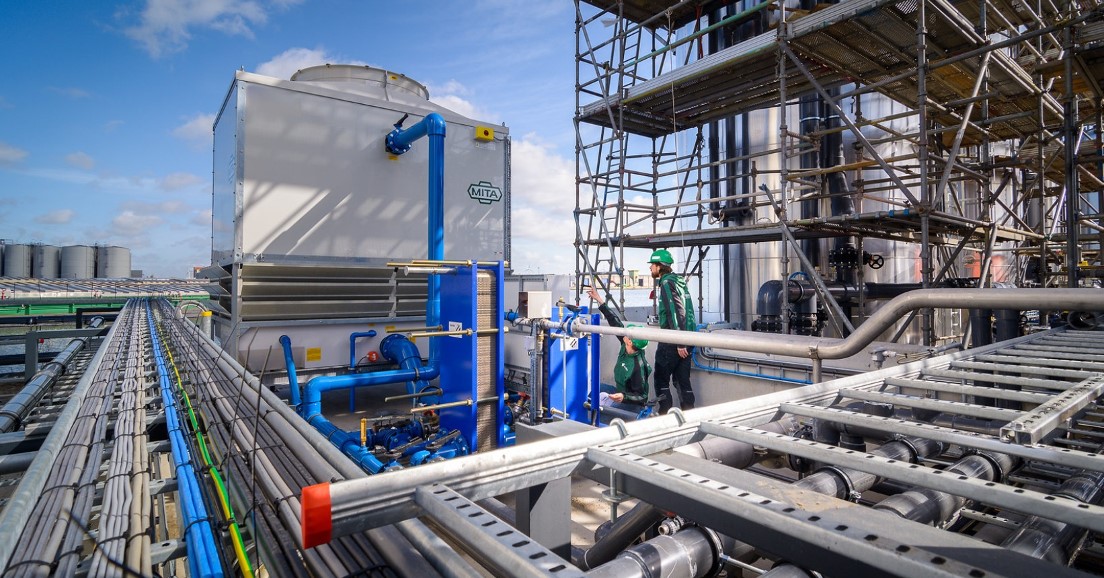
Cooling towers are entering the digital age.
Modern cooling towers now integrate sensors that track:
Temperature
Vibration
Water quality
Energy consumption
Operators can monitor performance remotely and respond instantly to changes.
Instead of reacting to breakdowns, predictive maintenance identifies problems early—before downtime occurs. This reduces repair costs and extends equipment life.
Water quality management is becoming more sophisticated.
Side stream filtration is increasingly integrated into U.S. cooling tower systems to control suspended solids, reduce fouling, and stabilize water chemistry.
Public health concerns are driving improved system design, monitoring, and water treatment strategies to reduce Legionella risk.
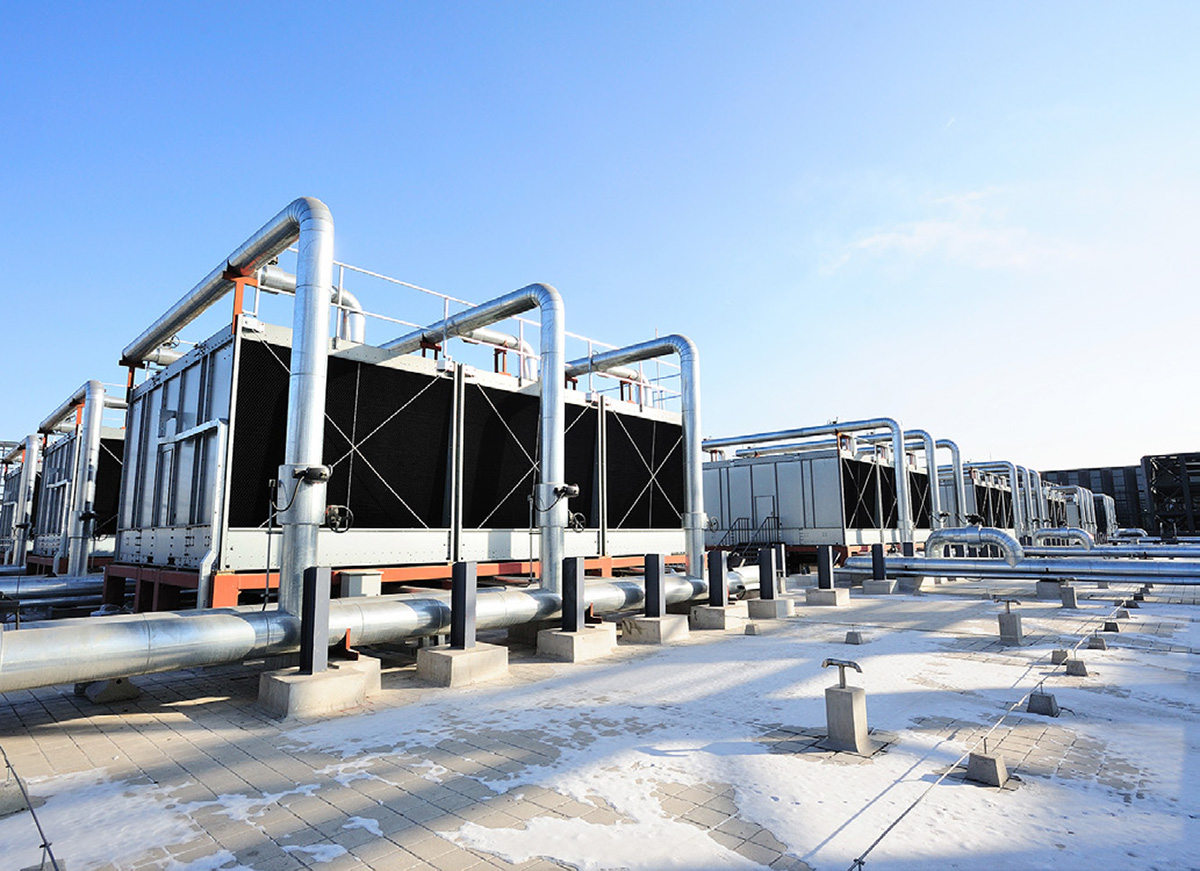
The rapid expansion of data centers and electric vehicle factories is creating new demand for high-performance cooling towers that can operate continuously with minimal downtime.
The U.S. market is becoming more open to international suppliers.
U.S. buyers are increasingly focused on:
Performance and reliability
Competitive pricing
Custom engineering
Shorter delivery times
As long as standards and quality requirements are met, global manufacturers are a strong alternative.
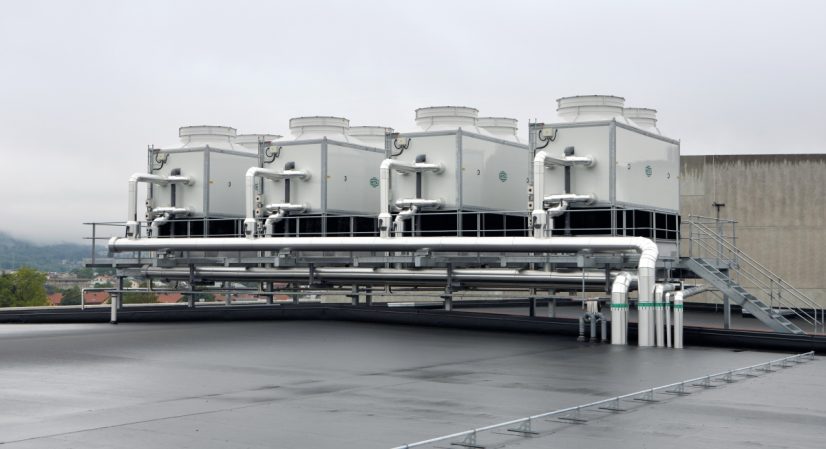
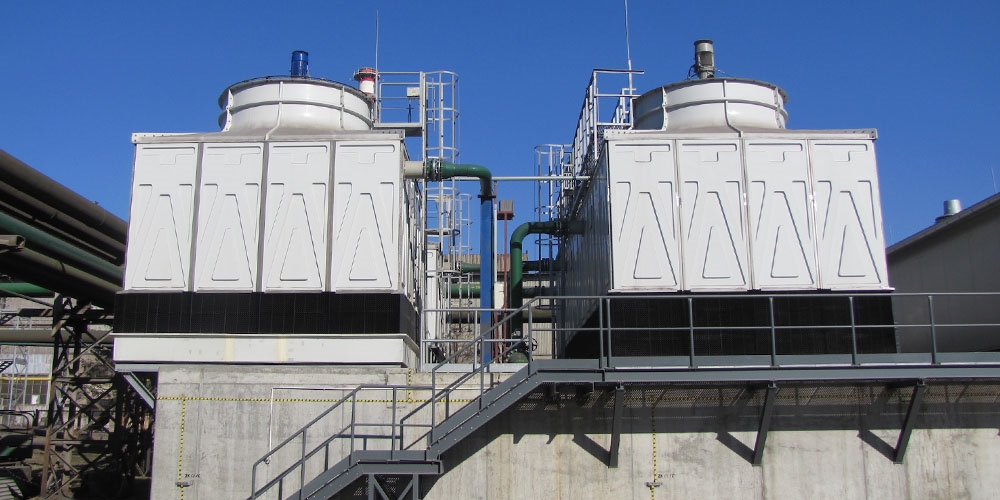
Mach Cooling is an experienced cooling tower manufacturer providing energy-efficient, water-saving cooling tower solutions for global markets, including the USA.
Mach Cooling supports U.S. projects by offering:
Custom-designed cooling towers aligned with U.S. standards
Integration with advanced filtration and water treatment systems
Cost-effective factory-direct solutions
Strong technical support and export experience
Learn more at https://www.machcooling.com/
Despite strong growth, challenges remain:
Increasing environmental compliance costs
Rising raw material prices
Greater system complexity
Higher expectations for reliability and sustainability
Manufacturers and end users must adapt quickly to stay competitive.
Looking ahead, the U.S. cooling tower market will continue moving toward:
Higher energy efficiency
Lower water consumption
Smarter automation and monitoring
Improved health and safety standards
Cooling towers will remain a core part of U.S. infrastructure—but they will look very different from those of the past.
The future trends of the cooling tower USA market clearly point toward sustainability, intelligence, and efficiency. As industries grow and environmental pressures increase, cooling towers must do more with less—less water, less energy, and less downtime.
By working with forward-looking manufacturers like Mach Cooling, system owners and engineers can stay ahead of these trends and invest in cooling solutions that are ready for the future.