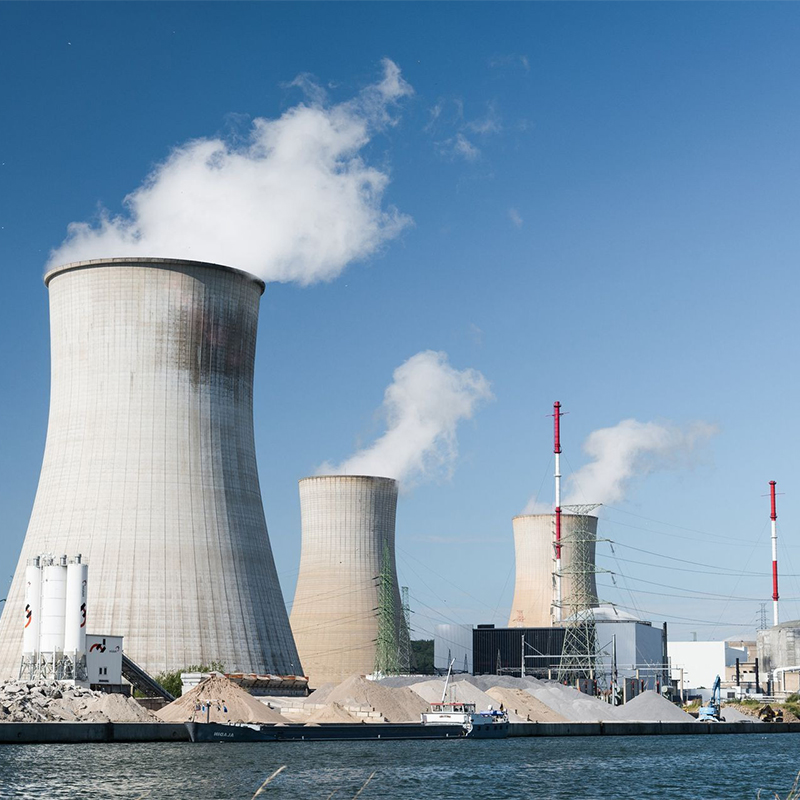
We Provide Cooling Tower Solution

Views: 0 Author: Site Editor Publish Time: 2026-02-11 Origin: Site


Efficient cooling tower blowdown water recycling is no longer optional—it’s essential. With water scarcity rising, energy costs soaring, and environmental regulations tightening, industries are turning to innovative filtration and treatment technologies to reuse blowdown water safely and cost-effectively. Let’s explore how you can make the most of every drop.
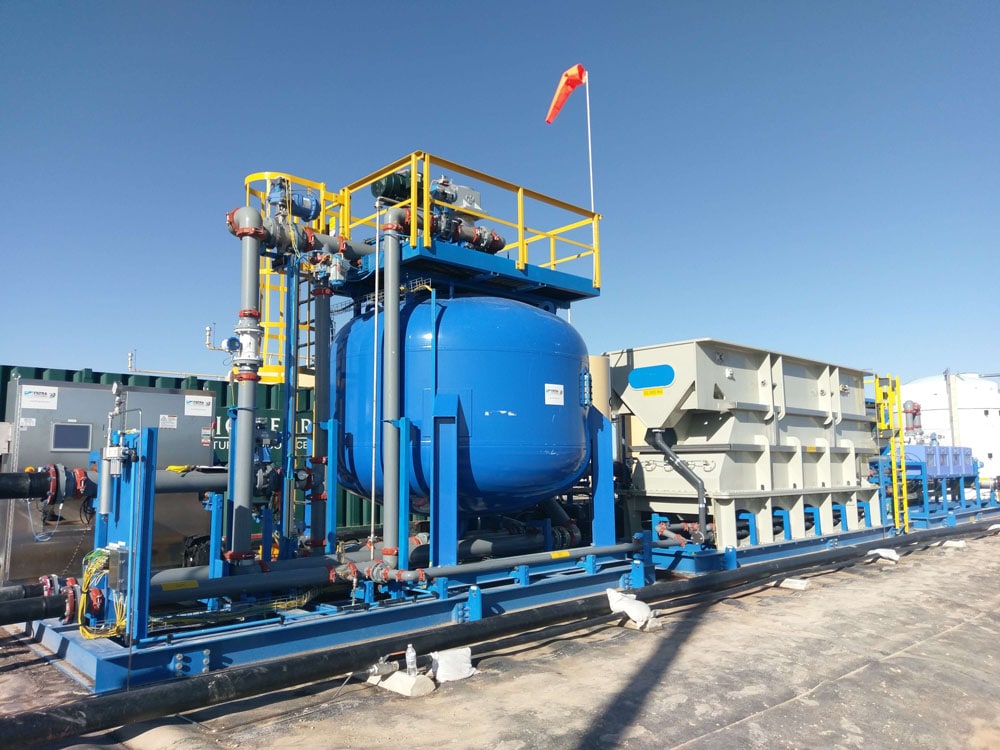
Did you know a single cooling tower can discharge thousands of gallons of blowdown water daily? That’s water that can be recycled, treated, and reused—but only if the right technologies are applied. Recycling blowdown water reduces water costs, improves sustainability, and ensures your facility stays compliant with environmental regulations.
Blowdown water is the portion of circulating water that’s discharged from a cooling tower to control the buildup of dissolved solids, minerals, and contaminants. Without proper discharge, scaling, corrosion, and biological fouling would compromise system efficiency.
Unmanaged blowdown water can:
Pollute local water bodies
Increase water costs
Reduce equipment lifespan
Violate environmental regulations
Recycling it through proper filtration and treatment mitigates these risks.
Every gallon of recycled blowdown water reduces freshwater withdrawal—a critical goal for industries in water-stressed regions.
Reusing treated blowdown reduces water procurement and wastewater disposal costs, sometimes by tens of thousands of dollars annually for large facilities.
Proper recycling ensures compliance with discharge limits and environmental permits, protecting your company’s reputation.
Mechanical filtration removes suspended solids and debris before further treatment.
First line of defense
Simple and effective
Removes large particles, leaving finer treatment for the next stage
Layers of sand, anthracite, or gravel
Capture smaller particulates
Often combined with chemical dosing to prevent scaling
Removes bacteria, colloids, and fine particulates
Operates under moderate pressure
Prepares water for further treatment or reuse
Removes dissolved solids and salts
Produces high-purity water
Ideal for systems with strict water quality requirements
Antiscalants prevent mineral buildup
Corrosion inhibitors protect metal components
Ensures longer system lifespan
Biocides prevent microbial growth
Reduces biofilm formation in pipes and coils
Works synergistically with filtration to maintain clean water
Reuse water within the same facility
Combine mechanical, chemical, and membrane treatment
Minimize freshwater consumption
Modular: Flexible, scalable, suitable for smaller systems
Centralized: Efficient for large industrial plants, single-point control
Track pH, conductivity, turbidity, and temperature
Ensure water quality meets system requirements
Automatic chemical injection based on real-time data
Reduces manual labor and error
Optimizes chemical usage, cutting costs
A chemical plant implemented a closed-loop blowdown recycling system with UF and RO filtration, cutting freshwater use by 40% and reducing wastewater discharge.
Large commercial buildings use multimedia filtration with biocide dosing to recycle blowdown water for HVAC cooling towers, lowering utility bills and environmental impact.
Working with experienced manufacturers ensures:
Proper system design
Quality materials
Long-term support and service
Mach Cooling (https://www.machcooling.com/) is a trusted partner, providing custom blowdown water recycling solutions for both industrial and commercial applications.
Balance initial investment with energy, water, and maintenance savings
Consider modular designs for scalability
Evaluate warranty and after-sales support
Mach Cooling has decades of experience delivering high-quality closed-loop and blowdown water recycling systems, serving global industrial and commercial clients.
Tailored filtration and chemical treatment options
FRP or steel structures depending on water chemistry
Expert installation, commissioning, and maintenance support
IoT-enabled monitoring and predictive maintenance
Energy-efficient pumps and filtration systems
Integration with renewable water sources
Advanced membrane and hybrid technologies
The future of blowdown water recycling is smart, automated, and eco-friendly.
Proper filtration and treatment of cooling tower blowdown water isn’t just about regulatory compliance—it’s about saving water, cutting costs, and protecting the environment. With the right combination of mechanical, membrane, and chemical treatments, and a reliable manufacturer like Mach Cooling, your facility can maximize efficiency and sustainability.
1. What is the main purpose of blowdown water recycling?
To conserve water, reduce operating costs, and ensure environmental compliance by treating and reusing cooling tower discharge.
2. Which filtration method is best for removing dissolved solids?
Reverse Osmosis (RO) is ideal for removing dissolved salts and impurities.
3. How often should blowdown water systems be monitored?
Continuous monitoring with sensors is recommended for real-time water quality control.
4. Can industrial and commercial systems use the same recycling technologies?
Yes, but system size, complexity, and water quality requirements may differ.
5. Why choose Mach Cooling for blowdown water recycling?
They provide custom, efficient, and reliable solutions, backed by years of global experience and professional support.