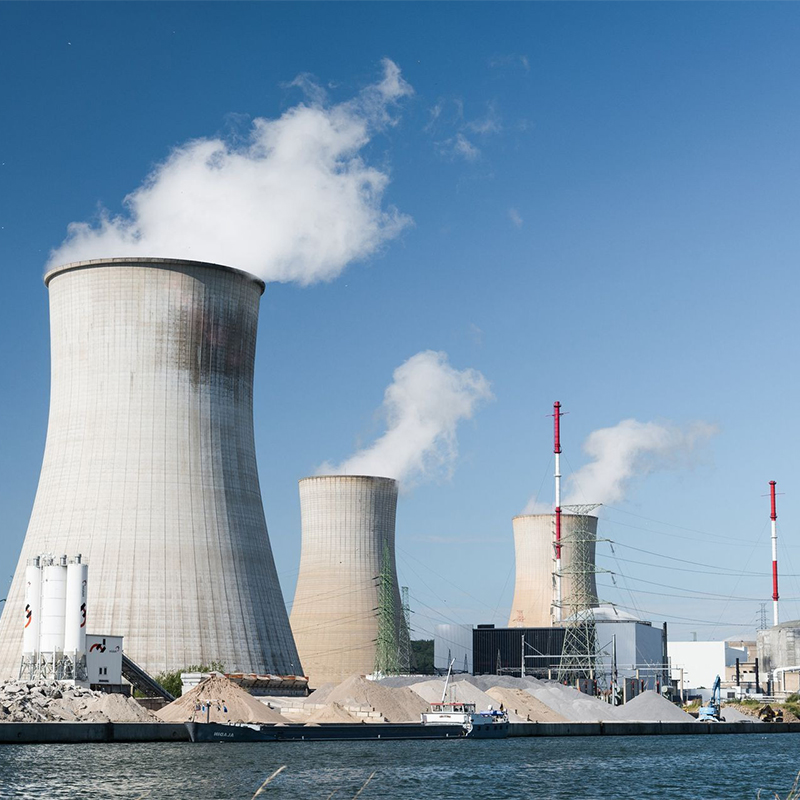
We Provide Cooling Tower Solution

Views: 0 Author: Site Editor Publish Time: 2026-02-10 Origin: Site


When people talk about megastructures, they usually think of skyscrapers, bridges, or dams. But cooling towers—those massive, hyperbolic giants rising from power plants—quietly compete for the title of the world’s most impressive industrial structures. So what is the biggest cooling tower in the world? And why do these towers matter so much?
Let’s break it down in a clear, human way—no dry textbook talk, just real-world engineering at colossal scale.

A cooling tower is basically the lungs of a power plant or industrial facility. Its job? Dump unwanted heat into the atmosphere so systems can keep running efficiently.
Larger towers handle huge heat loads
Higher airflow means better cooling efficiency
Massive structures allow natural draft, reducing energy use
Think of it like breathing: the bigger the lungs, the more air you can move without effort.
“Biggest” can mean different things in cooling tower terms:
Height (often 150–200+ meters)
Base diameter
Thermal capacity
Airflow volume
Most world records focus on natural draft cooling towers, because mechanical (fan-assisted) towers rarely reach such monumental scale.
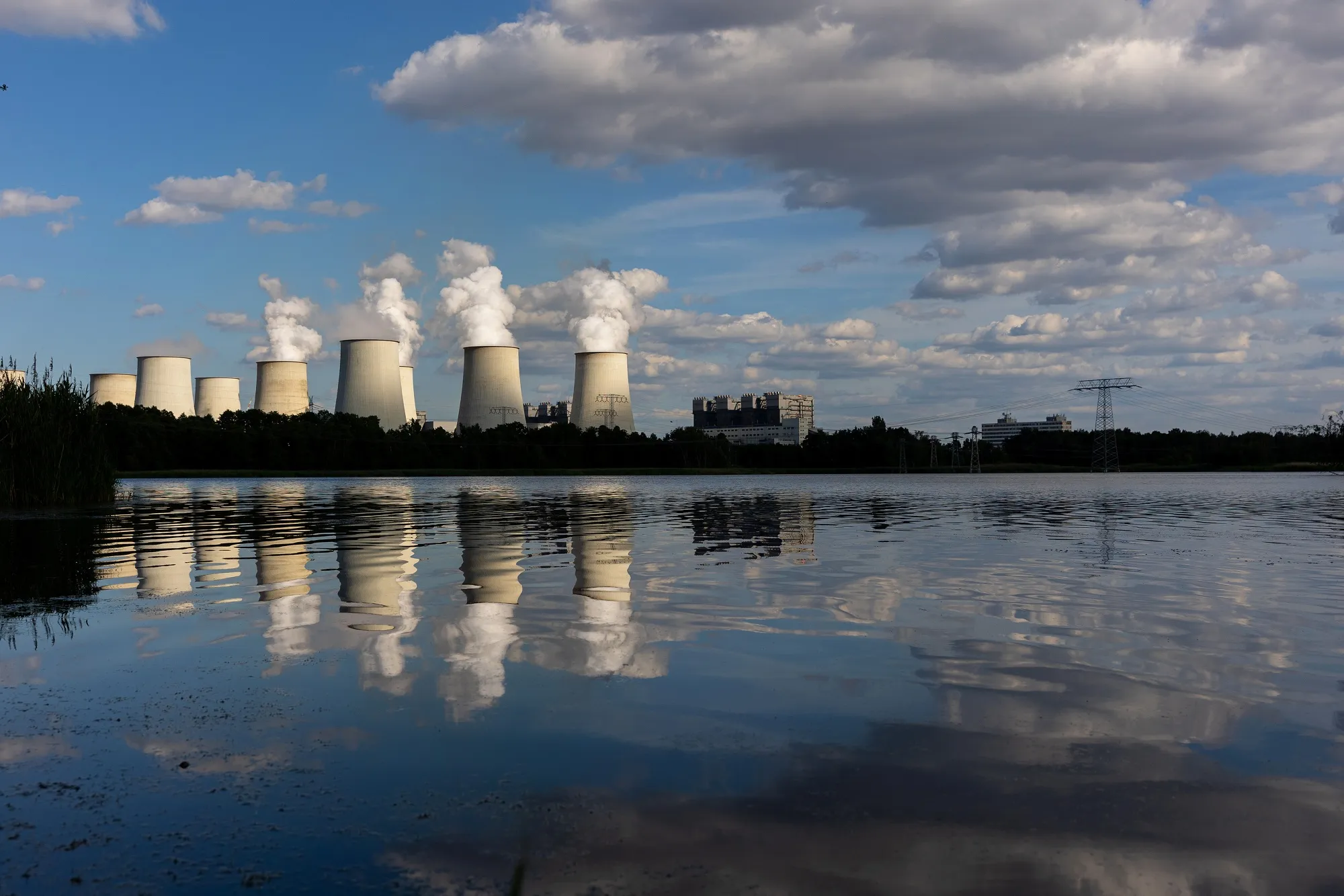
Often cited among the largest cooling towers in the world.
Height: ~200 meters
Type: Natural draft cooling tower
Industry: Coal-fired power generation
Standing taller than many skyscrapers, this tower is a true industrial landmark.
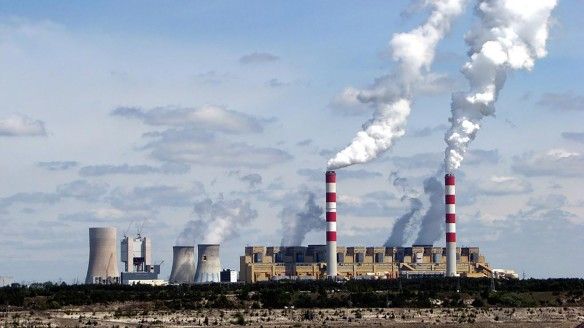
Home to multiple gigantic cooling towers.
Largest lignite power plant in Europe
Towers designed for extreme thermal loads
Visible from tens of kilometers away
When multiple “giants” operate together, the scale becomes mind-bending.
That iconic hourglass shape isn’t just for looks:
Accelerates airflow naturally
Improves heat dissipation
Reduces construction material while increasing strength
It’s the same reason chimneys taper—physics does the heavy lifting.
| Feature | Natural Draft | Mechanical Draft |
|---|---|---|
| Energy use | Very low | Higher (fans) |
| Size | Massive | Compact |
| Maintenance | Lower | Higher |
| Visual impact | Monumental | Industrial |
Biggest towers = natural draft, every time.

Building the world’s biggest cooling tower is like balancing a skyscraper upside down.
Wind loads at extreme heights
Thermal expansion
Earthquake resistance
Concrete curing consistency
A minor calculation error at ground level becomes a massive problem 200 meters up.
Reinforced concrete shells
Advanced corrosion-resistant linings
High-performance drift eliminators
Precision-engineered fill packs
Modern manufacturers—like Mach Cooling—apply these same material principles at smaller, modular scales for industrial cooling towers worldwide.
A single giant cooling tower can dissipate thousands of megawatts of thermal energy.
Enough heat removal to power millions of homes
Continuous operation, 24/7
Designed for decades of service life
These towers don’t rest—they breathe nonstop.
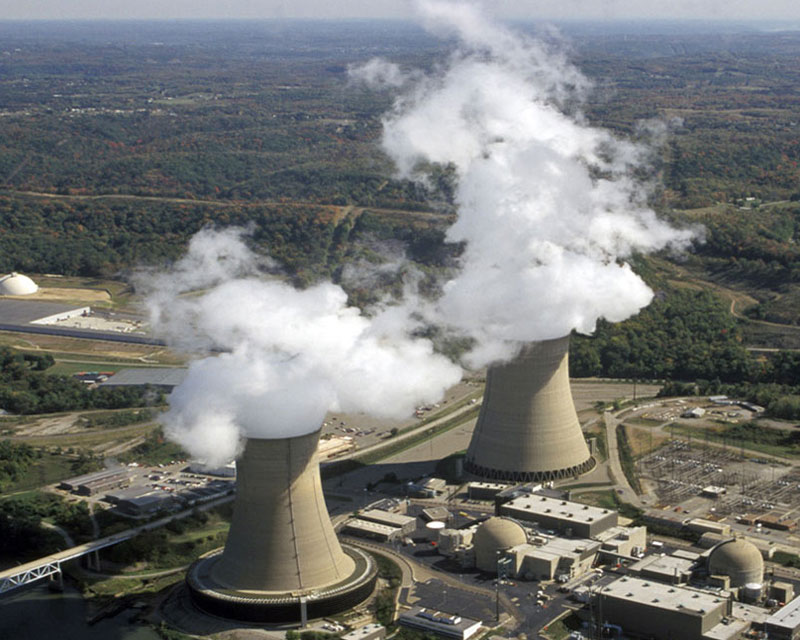
That white plume?
It’s water vapor, not pollution
Similar to breath on a cold day
Modern designs focus on:
Lower drift loss
Improved water recycling
Reduced chemical usage
Even the biggest cooling towers are evolving toward greener operation.
Short answer: rarely.
Shift away from coal power
Rise of modular cooling systems
Space and cost constraints
Environmental regulations
Instead, industries now prefer high-efficiency FRP and modular cooling towers, an area where companies like Mach Cooling specialize.
The lessons learned from the world’s biggest cooling towers live on:
Optimized airflow design
Advanced heat exchange media
Structural efficiency
Long service life planning
Today’s FRP cooling towers may be smaller, but they’re smarter, lighter, and far easier to deploy.
Even if we’re not building many new mega-towers, their influence remains strong in:
Power generation
Petrochemical plants
Steel mills
Large-scale HVAC systems
District cooling networks
Scale changes—but physics stays the same.
Not every project needs a giant.
Oversized = wasted capital
Undersized = operational risk
Modern manufacturers like Mach Cooling design systems that deliver maximum efficiency without unnecessary bulk, using FRP structures and modular layouts.
Let’s be honest—cooling towers are iconic.
They’ve appeared in:
Movies
Documentaries
Industrial photography
Urban skylines
The biggest cooling towers in the world aren’t just machines—they’re monuments to human engineering ambition.
Typical lifespan: 40–60 years
Regular inspections
Concrete shell health monitoring
Internal component upgrades
Even giants need checkups.
What do these colossal structures teach us?
Airflow beats brute force
Shape matters more than mass
Long-term efficiency wins
Maintenance planning is everything
These principles now define modern cooling tower engineering at all scales.
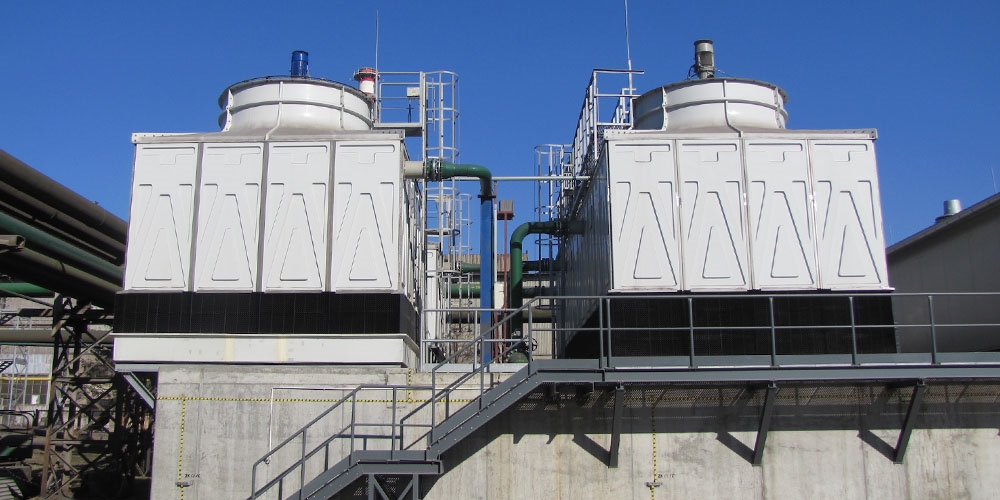
The future isn’t taller—it’s smarter.
FRP materials
Modular construction
Lower water consumption
Faster installation
Global compliance
Manufacturers like Mach Cooling represent this evolution, delivering high-performance cooling solutions inspired by decades of large-scale tower experience.
The biggest cooling towers in the world remind us what’s possible when engineering, physics, and ambition collide. While modern industry has shifted toward efficient, modular systems, these giants remain benchmarks—proof that sometimes, thinking big changes everything.
And whether you’re cooling a massive power station or an industrial process line, the same core goal applies: move heat efficiently, reliably, and sustainably.
That principle hasn’t changed—only the scale has.