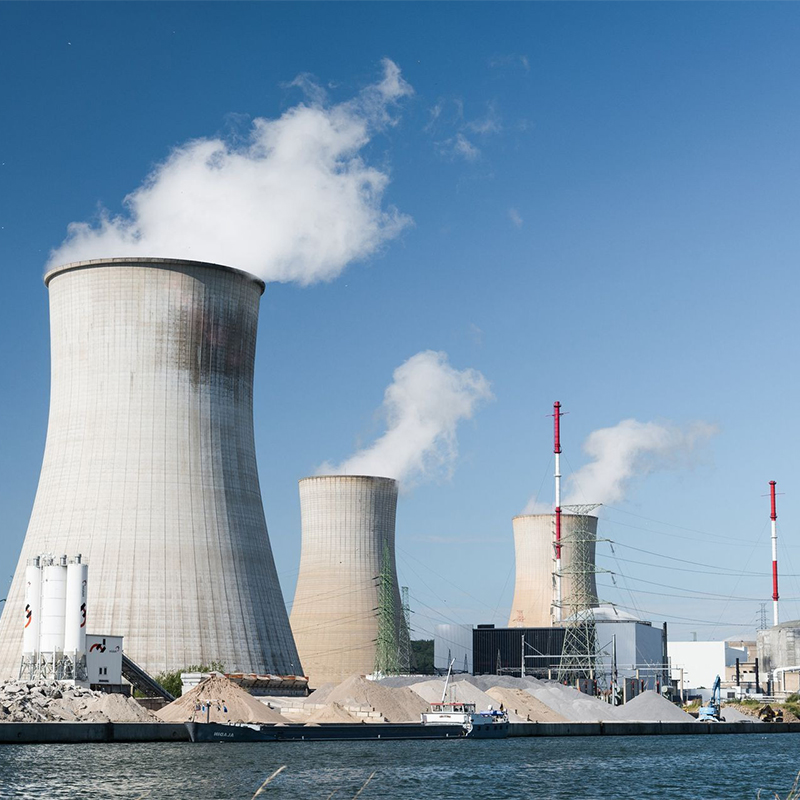
We Provide Cooling Tower Solution

Views: 0 Author: Site Editor Publish Time: 2025-12-18 Origin: Site


Cooling towers operate continuously in industrial environments and their lifespan depends on many factors.
Cooling towers play a vital role in industrial and HVAC systems by rejecting heat from circulating water to the atmosphere. Whether part of a water cooled tower system in a manufacturing plant or a condenser water cooling tower linked with a water chiller cooling tower, these structures must endure years of continuous operation. But exactly how long does a cooling tower last? This article explores expected lifespans, key influencing factors, maintenance best practices, and examples of different cooling tower types like chilled water cooling tower, blowdown water cooling tower, hot water basin cooling tower, closed loop cooling tower water treatment systems, sea water cooling tower, salt water cooling tower, and DIY water cooling tower installations. We’ll also highlight quality water cooling tower manufacturers like MachCooling (https://www.machcooling.com/) that help deliver long-lasting solutions.

Cooling towers are built to operate for many years, but their actual lifespan can vary widely based on design, materials, maintenance, and environment.
Average Lifespan: Most cooling towers last 15–20 years under routine maintenance and proper water treatment.
Well-maintained Systems: Some cooling towers made from high-quality materials (e.g., fiberglass, stainless steel) can surpass 25 years of service life.
Refurbishment: With periodic refurbishment — including replacing mechanical parts and structural upgrades — the service life can be extended by another 15–20 years.
| Construction Material | Approx. Life Expectancy |
|---|---|
| Wood (older towers) | ~10–15 years (NABIE) |
| Galvanized Metal | ~12–15 years (NABIE) |
| Epoxy-treated Metal | ~15–20 years (NABIE) |
| Fiberglass/FRP | ~20–25+ years (Cooling Tower Systems, Inc) |
| Stainless Steel | ~20–30 years (NABIE) |
| Concrete | ~30+ years (NABIE) |
This table shows why material choice is among the most critical factors determining lifespan.
Cooling towers made from corrosion-resistant materials such as fiberglass reinforced plastics (FRP) or stainless steel tend to last significantly longer than older wood or untreated metal structures. (Cooling Tower Systems, Inc)
Proper closed loop cooling tower water treatment and blowdown water cooling tower management help control scale, corrosion, and biological growth. Untreated water can accelerate component degradation significantly.
A condenser water cooling tower or chilled water cooling tower often operates under heavy load and may require strict water chemistry control to prevent corrosion and prolong life.
Environmental factors like:
Harsh sunlight and UV exposure
Extreme temperature swings
Salty air for sea water cooling tower and salt water cooling tower applications
Continuous heavy duty vs intermittent operation
can affect how quickly parts deteriorate. Towers in harsher environments typically have shorter lifespans without extra protective coatings and diligent maintenance. (Oasis Bingfeng Fluid Equipment Co., Ltd.)
Routine inspection and replacement of parts such as fan motors, fill media, drift eliminators, or hot water basin cooling tower components can prevent premature failure. Even well-built towers eventually need periodic upgrades of high-wear parts.
A facility with year-round cooling needs will naturally stress its cooling tower more than a seasonal application — such as a DIY water cooling tower serving a workshop — shortening its effective life.
Cooling towers vary by design and use case. Each type may have different lifespan profiles.
These traditional towers expose circulating water to air. With good maintenance and water treatment, these can last 15–20 years or more. (Cooling Tower Systems, Inc)
Blowdown systems discharge a portion of recirculated water to control dissolved solids. Proper management is essential — if operated without adequate water quality controls, corrosion can accelerate aging, reducing life expectancy.
Often paired with chillers in HVAC systems, these towers can last 15–25 years with careful monitoring of water quality and regular component replacement.
Closed loop designs protect the heat exchange fluid from direct contact with air, reducing corrosion and fouling. These systems can extend the life of internal circuits, though towers still require external maintenance.
These handle higher water temperatures and often serve industrial processes. Frequent high-temperature cycling increases stress on materials, making maintenance even more critical for long life.
Exposure to corrosive salt environments demands corrosion-resistant materials like FRP or stainless steel. When built and maintained correctly, they can last as long as freshwater towers — but cost and maintenance needs are higher.
Small, custom, or home-built towers may use simpler designs. While they can serve for many years, they often lack industrial-grade corrosion protection and water treatment, which tends to reduce lifespan compared to professional systems.
Maximizing the service life of a cooling tower involves proactive management across water quality, maintenance practice, and environmental protection.
Scheduled inspection for leaks, structural corrosion, and mechanical wear can catch early problems before they cause major failures. Real-world practice shows that regular maintenance keeps towers operational well past initial life estimates. (constructandcommission.com)
Supporting closed loop cooling tower water treatment and controlling blowdown in a blowdown water cooling tower setup prevents scale and corrosion — which are the two greatest threats to longevity.
When key parts like fill media, basins, or fan sections wear out, refurbishment can add years of service. Refurbishment has been shown to restore cooling towers to near-new condition and extend service life substantially. (newswire.com)
Minimizing exposure to harsh elements, and adjusting operational schedules and cooling tower water management practices according to climate and load, reduces stress and prolongs life.
MachCooling (https://www.machcooling.com/) is among reputable water cooling tower manufacturers offering engineered solutions suited to a variety of needs — from industrial water cooled tower systems to specialized designs for chilled water cooling tower applications.
MachCooling delivers towers designed to match your required water flow and environmental conditions — helping ensure they last longer while meeting cooling tower water requirements.
MachCooling incorporates durable materials that resist corrosion and degradation, increasing service life in demanding environments.
Beyond initial installation, MachCooling supports refurbishment, maintenance planning, and component replacement — providing reliable long-term performance.
Explore their offerings at https://www.machcooling.com/.
The service life of a cooling tower typically ranges from 15–25 years with proper design, water treatment, and maintenance, though some towers can last even longer when refurbished and cared for. Factors like construction material, water quality, operating environment, and usage intensity all influence longevity. Tailoring maintenance and selecting quality equipment from trusted water cooling tower manufacturers like MachCooling helps ensure your system serves efficiently for decades.
Whether you’re planning a blowdown water cooling tower, sea water cooling tower, closed loop cooling tower water treatment setup, or even a DIY water cooling tower, understanding lifespan and maintenance will help you maximize value and performance.