We Provide Cooling Tower Solution

Views: 0 Author: Site Editor Publish Time: 2026-02-25 Origin: Site


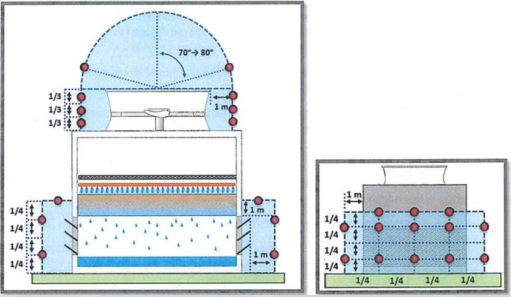

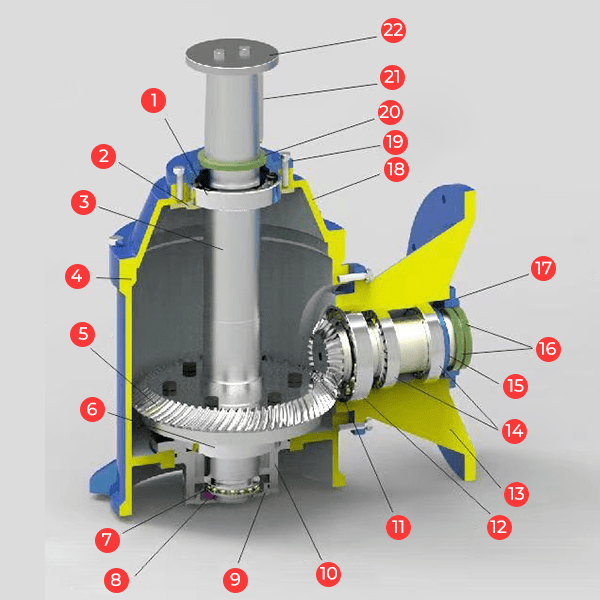
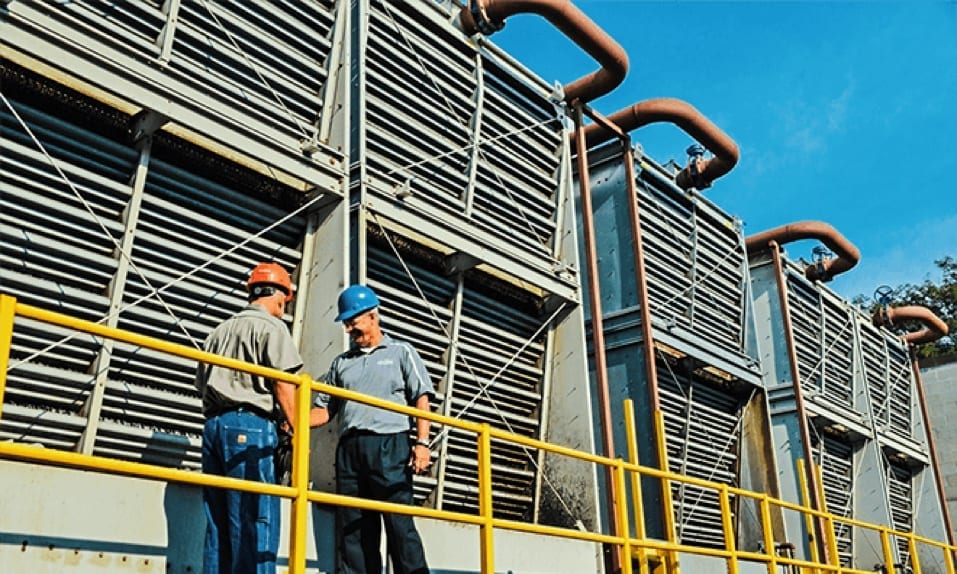
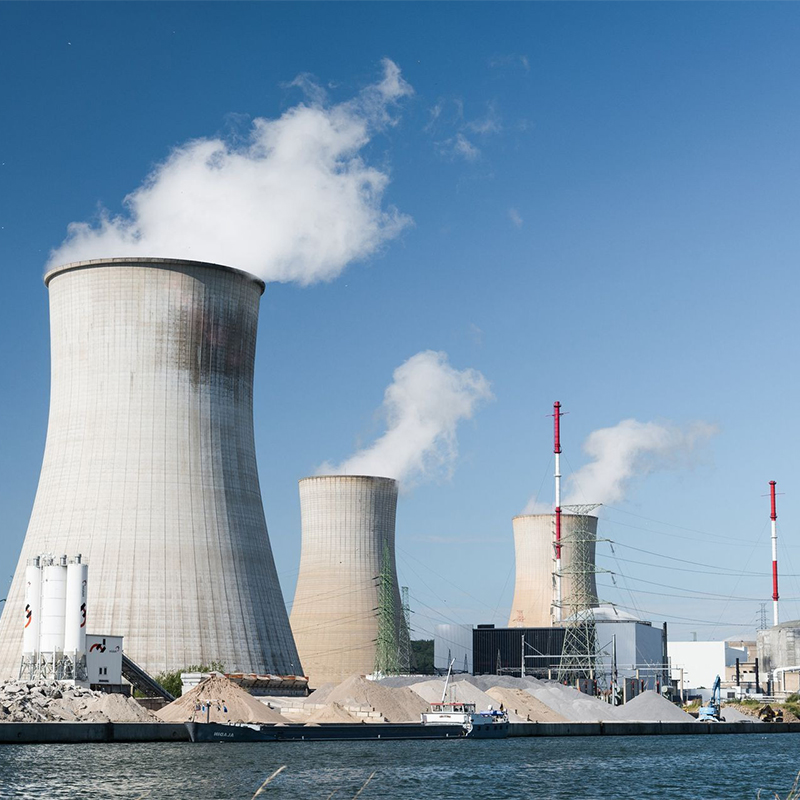
Cooling towers are the unsung heroes of many industrial and commercial systems — quietly doing the hard work of heat rejection so your process runs smoothly. But what happens when they get loud? Not only can excessive noise be a nuisance, it can signal underlying problems that will cost you time and money if ignored.
This is where a Cooling Tower Sound Test becomes invaluable. In this article, we’re diving deep into how these tests work, what they reveal, and — most importantly — how you can interpret and solve noise issues for a smoother, quieter, and more efficient cooling system.
Have you ever walked outside and suddenly heard a buzzing, whining, or rumbling sound coming from a cooling tower? If so, you’re not alone. Noise isn’t just annoying — it can be a red flag.
Excessive sound can:
Indicate mechanical imbalance
Reveal worn components
Predict future failures
Plus, many industrial sites must meet noise compliance standards. A sound test isn’t optional — it’s smart maintenance.
So, what exactly is a sound test?
Simply put, a sound test is a structured method to measure the noise levels emitted by a cooling tower and identify unusual patterns or elevated decibel readings.
Think of it as a doctor checking your vitals: it doesn’t fix the issue by itself, but it tells you whether something’s off.
The goal isn’t just to measure loudness — it’s to identify the root causes of abnormal noise, so you can correct them before they lead to downtime or costly repairs.
Sound testing helps you:
Detect mechanical faults
Pinpoint problematic components
Validate noise mitigation efforts
Here are common moments to run a sound test:
✔ After installation or major service
✔ When there’s a sudden change in noise
✔ Before regulatory audits
✔ During routine maintenance cycles
Regular testing makes noise issues predictable — not surprising.
To fix noise, you must first know where it comes from. Cooling towers are complex machines, and noise usually originates from a few typical areas.
Fans are the biggest culprits. Misaligned blades, unbalanced fans, or aging motors can produce:
Whining
Whooshing
High‑pitched vibrations
These sounds are often louder under load or at startup.
Water hitting surfaces at high speed can generate splash or impact noise — especially if distribution nozzles are worn or misaligned.
This type of noise often shows up as a rhythmic slap or irregular splatter — and it’s a clue.
Loose panels, weakened mounts, or foundation cracks can cause vibration that turns into loud rattling or humming.
This isn’t just noise — it’s energy loss and stress on the system.
Ready to dig in? Let’s go step by step.
Before you measure anything:
✅ Ensure the tower is running under normal load
✅ Check that all safety guards are in place
✅ Establish safe sound test zones
Remember: safety first — especially around moving fans and pumps.
You don’t need rocket science, but you do need the right tools:
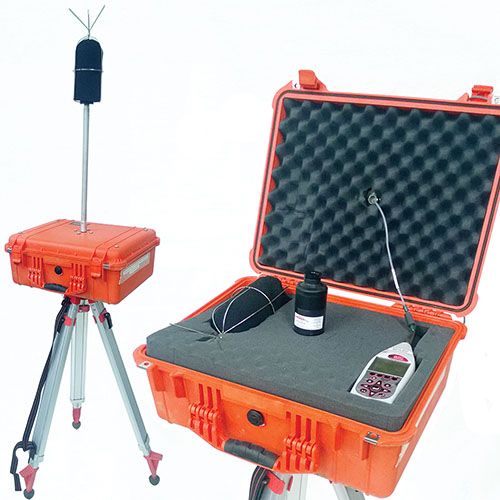
Sound Level Meter (SLM) – measures decibels (dB)
Data Logger – tracks fluctuations over time
Directional Microphones – isolates specific sources
Commercial SLMs give accurate readings in real‑world conditions.

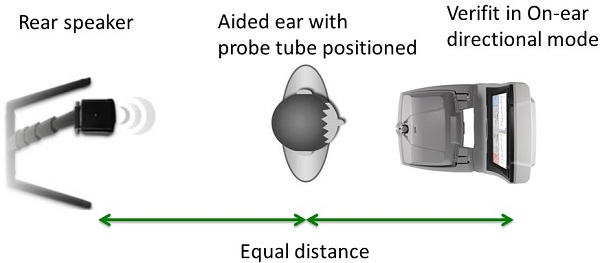
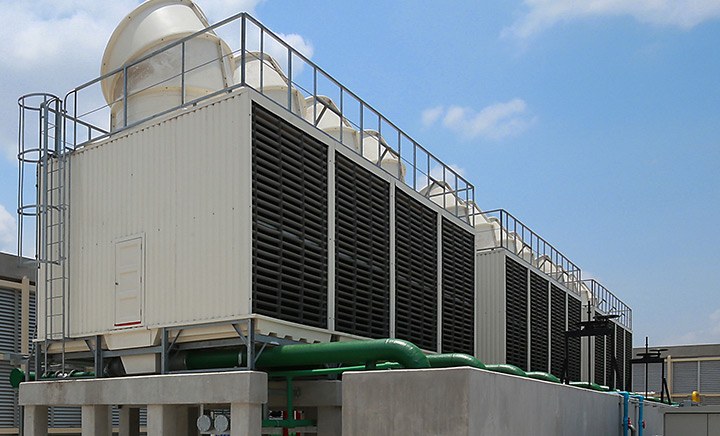
Here’s a simple process you can follow:
Baseline measurement — Measure ambient noise without the tower running.
Active measurement — Run the tower and record noise from multiple locations.
Component isolation — Use directional tools to see whether noise comes from a motor, fan, or structure.
Compare readings — Match each measurement against historical data and regulatory thresholds.
It’s like detective work — every decibel tells a story.
Once you have the data, what does it really mean?
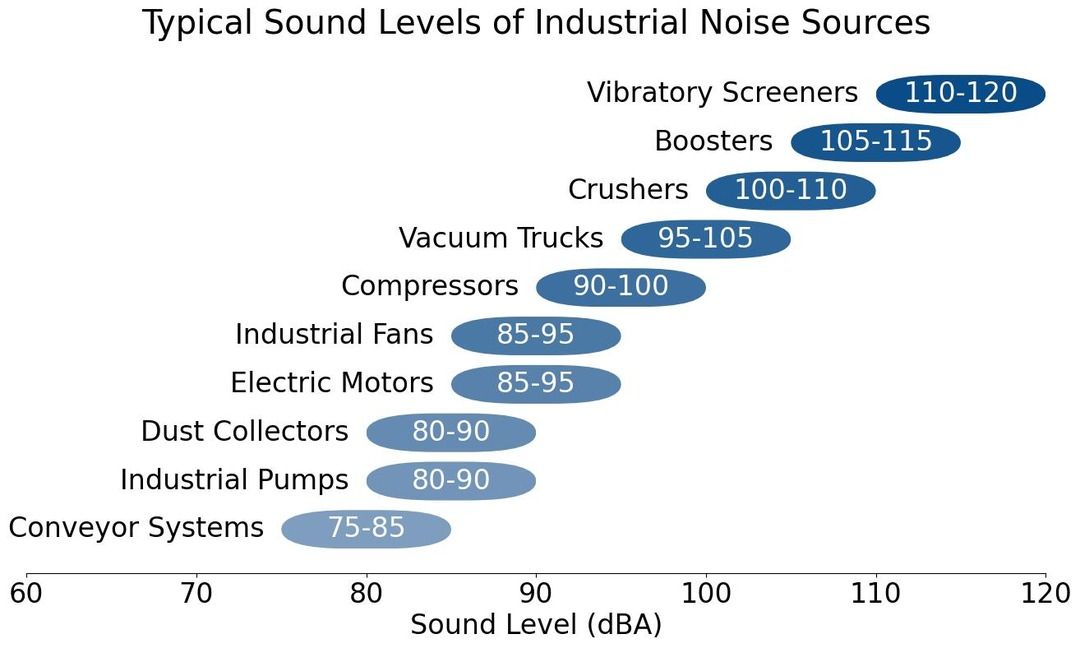
Sound is measured in decibels (dB) — and remember, the scale isn’t linear. A difference of 10 dB feels twice as loud to the human ear.
For example:
50 dB — quiet office
70 dB — busy street
90 dB — loud industrial equipment
If your tower readings approach levels considered harmful (85 dB+), it’s a sign that action is needed.
Many regions regulate industrial noise. If your readings exceed allowable limits, you could:
⚠ Face fines
⚠ Be forced to install mitigation solutions
⚠ Risk complaints from nearby communities
Sound testing gives you the data to stay compliant.
Now for the good part — fixing the issues.
Out‑of‑balance fans are a common issue. Precision balancing:
✔ Reduces vibration
✔ Lowers noise
✔ Extends fan life
This is often low‑cost with high return.
Vibration isolators (like rubber mounts) absorb energy before it translates into noise.
Think of them like shock absorbers — keeping the sound where it belongs.
Believe it or not, fan blade design matters. Smoother airflow means less turbulence and less noise. Modern towers benefit from:
Aerodynamic blades
Variable frequency drives (VFDs) for smoother speed control
These changes cut noise and save energy.
Let’s illustrate with a real-world scenario.
A large commercial facility had a history of complaints about cooling tower noise. After performing a sound test, engineers discovered:
Fan imbalance
Loose structural mounts
High impact noise from water distribution
By balancing fans, tightening structural elements, and upgrading nozzles, noise levels dropped by 12 dB — almost half perceived loudness — and the system ran more efficiently.
Solutions like this can be implemented in towers from manufacturers like Mach Cooling, where design quality and service support help smooth installation and maintenance.
Sound testing isn’t a one‑and‑done task. Think of it like regular health checkups.
Best practices include:
Scheduled quarterly tests
Immediate testing for new systems or after repairs
Record‑keeping to track trends
This way, noise problems become predictable and manageable — not emergencies.
Noise is not just an annoyance — it’s a diagnostic tool. A well‑run cooling tower sound test lets you uncover hidden mechanical issues, ensure regulatory compliance, and ultimately protect your investment.
Whether you’re a facility manager, HVAC technician, or operations leader, understanding cooling tower acoustics gives you an edge — saving time, money, and headaches.
Remember: the quieter your cooling tower runs, the more efficiently your whole system performs.
1. What’s a good decibel range for cooling towers?
Ideal ranges depend on tower size and location, but generally staying below 85 dB is recommended near operators.
2. How often should sound testing be done?
Quarterly is a good standard; more frequent if changes or complaints occur.
3. Can sound testing prevent equipment failure?
Yes — early detection of imbalance or vibration can prevent costly breakdowns.
4. Do all cooling towers need sound tests?
Any operational tower should be tested — especially in urban or noise-sensitive areas.
5. Who should perform a sound test?
Trained technicians or engineers with proper tools for accurate results.