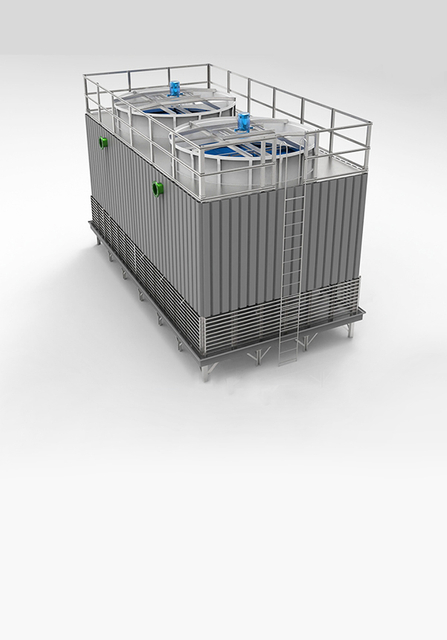
We Provide Cooling Tower Solution

Views: 0 Author: Site Editor Publish Time: 2026-02-26 Origin: Site


When it comes to industrial cooling, two names often come up: Cooling Towers and Evaporative Coolers. Both promise to keep systems running cool under heavy load — but which one is actually better for your industrial application?
Imagine you’re choosing between two tools in your toolbox. One is a Swiss Army knife (versatile and powerful) — and the other is a specialized instrument designed for a specific job. Which one would you pick?
In this face‑off, we’ll break down Cooling Tower vs Evaporative Cooler for industrial use — in plain language, with practical comparisons, real-world scenarios, and consumer-ready insight. Whether you’re a plant manager, engineer, or facility owner, by the end you’ll know exactly what fits your needs.
Industrial cooling isn’t a one-size-fits-all deal. A steel mill, a data center, and a chemical plant might all require cooling — but the way they cool is vastly different. The right choice can mean huge savings on energy, maintenance, uptime, and even water usage.
So let’s get clear: this isn’t a debate about which is cooler — it’s about which technology gives you the most value.
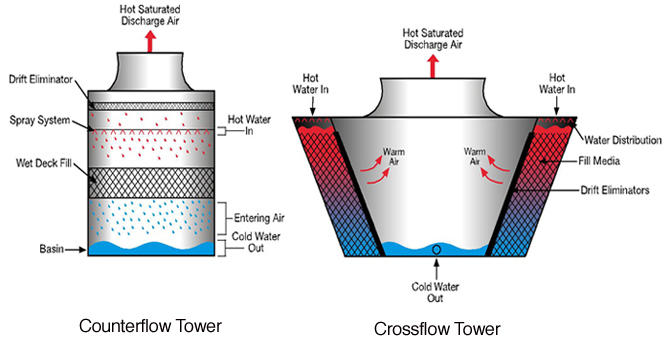
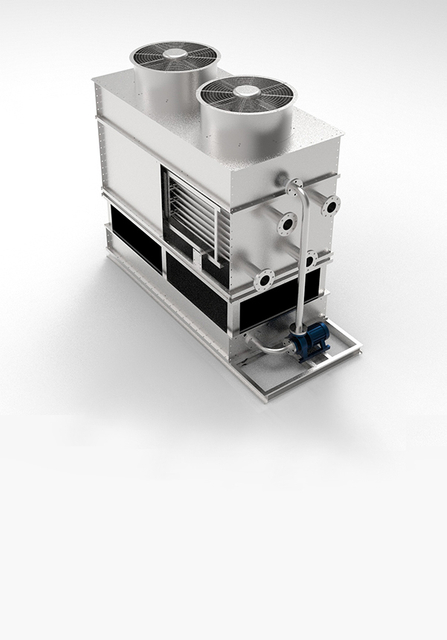
Cooling towers take warm water from industrial processes, spray it over fill media (like a sponge with lots of surface area), and allow air to flow through it. This interaction causes a small amount of water to evaporate — pulling heat out of the rest of the water.
In other words: cooling towers use evaporation to dump heat into the atmosphere.
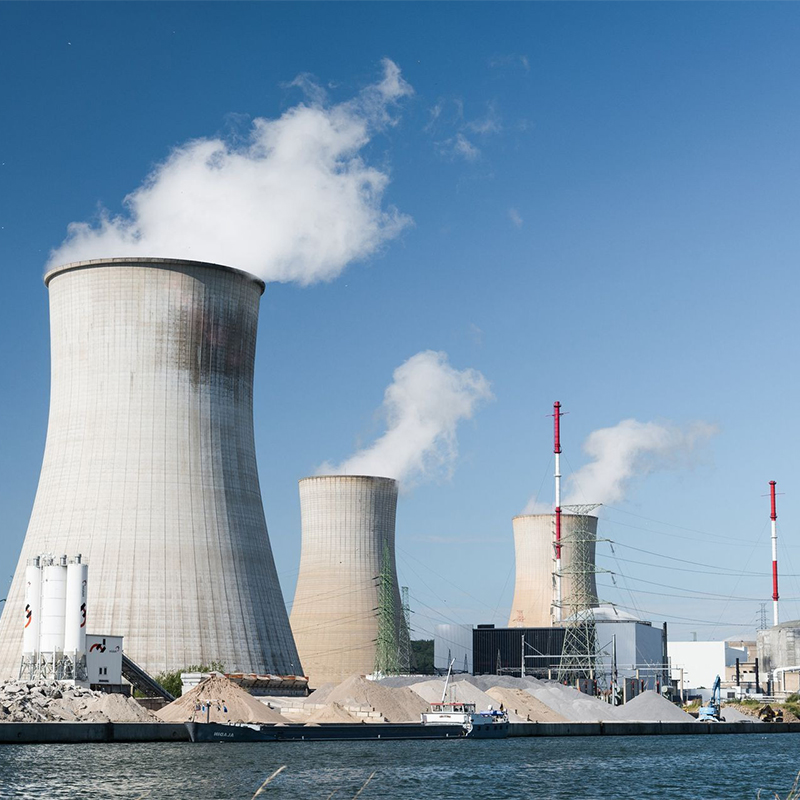
Cooling towers are everywhere there’s heavy process cooling needed:
Power generation
Petrochemical plants
HVAC for large complexes
Steel and manufacturing
Energy-intensive facilities
They are usually part of a larger water-based cooling loop, tying into chillers, heat exchangers, and condensers.
Evaporative coolers — sometimes called “swamp coolers” — pull in outside air through wet pads. As the air passes through the damp media, it cools via evaporation and is blown into a space.
This sounds similar to a cooling tower — and at a basic level, it is. But evaporative coolers are usually air-cooling devices, not heat-rejection devices tied to an industrial water loop.
Evaporative coolers are often used in:
Warehouses
Workshops
Outdoor-adjacent spaces
Greenhouses
Data halls with inlet air cooling
They’re favored when dry climates make them ultra-efficient and cost-effective.
At first glance they look similar — both use evaporation — but their purpose and integration into industrial systems are very different.
Cooling towers handle process heat rejection — meaning they remove heat from water that is circulating in a closed system. They cool process water so that chillers and heat exchangers can do their job better.
Evaporative coolers generally cool air directly — bringing conditioned air into a workspace rather than cooling process fluids.
This difference shapes every aspect of how each system performs, what it costs, and where it’s used.
Both technologies evaporate water — but for different reasons.
Cooling towers lose some water through evaporation to cool a water loop, but that evaporated portion is replaced via makeup water.
Evaporative coolers evaporate water to cool air directly.
In general, evaporative coolers consume more water for the amount of cooling delivered — especially in very dry climates where they can be extremely effective.
Cooling towers are typically more water-efficient when part of a properly managed industrial loop — particularly when paired with regenerative water systems.
Cooling towers generally operate fans and pumps, which consume electricity — but they don’t compress refrigerant like traditional chillers do, making them energy efficient in large systems.
Evaporative coolers use fans too — but since they aren’t moving heat from a water loop, their energy consumption is often tied to air volume and pad wetting systems. In dry heat, they’re very efficient, but as humidity rises, performance drops.
Evaporative coolers shine in hot, low-humidity areas. They use the natural cooling effect of water evaporation to significantly lower air temperature with minimal power.
In desert-like conditions, you can often cool spaces to near-wet-bulb temperatures — a big win.
In humid conditions, evaporative coolers become less effective because the air is already full of moisture, so evaporation — the cooling driver — loses its punch.
Cooling towers, on the other hand, focus on water loop heat rejection and aren’t as impacted by surrounding humidity.
Evaporative coolers are generally cheaper to install — they have fewer components and lower complexity.
Cooling towers, especially industrial-scale systems (with pumps, basins, controls, etc.), have higher upfront costs. But that’s no surprise: they’re doing harder work.
Operating costs depend on:
Electricity (fans, pumps)
Water usage
Maintenance
Repair downtime
In dry climates, evaporative coolers can be very cheap to operate — but in industrial settings, where precision and consistency matter, cooling towers often win out thanks to optimized controls, water management, and long-term uptime.
Evaporative cooler maintenance typically includes:
Pad replacement
Cleaning water pans
Fan belt adjustments
Water pump checks
Cooling tower maintenance includes:
Basin cleaning
Fan and motor servicing
Scale & corrosion control
Water quality monitoring
Pro tip: Cooling towers often benefit from professional water treatment, which significantly reduces scale, corrosion — and costly downtime.
Evaporative coolers can last a decade with good care. Industrial cooling towers — built for heavy-duty use — can last 15–25 years or more with proper maintenance.
That matters when you’re making decisions based on total cost of ownership, not just upfront spend.
Industrial cooling isn’t just about dollars — it’s about green decisions.
Cooling towers can be optimized to minimize water loss, support reclaimed water use, and integrate with smart control systems to reduce energy waste.
Evaporative coolers — while simple — are limited in humid environments and can overuse water in some cases.
A heavy manufacturing plant needed consistent cooling for heat-intensive processes. With fluctuating workloads, they needed reliability more than cheap air cooling.
The cooling tower — integrated with PLC controls and water treatment — delivered stable performance, reduced process bottlenecks, and maintained uptime.
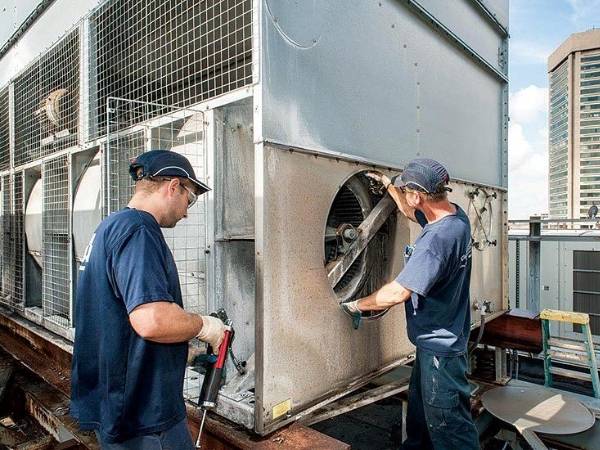

In another case, a mid-size refinish shop used evaporative coolers for general facility comfort in summer — but process cooling still relied on a robust industrial cooling tower.
This hybrid approach combined quick comfort cooling with serious process cooling capability.
Ask yourself:
Do you need air temperature control or process water heat rejection?
Is your climate dry or humid?
Are you optimizing for upfront cost, operating cost, or long-term durability?
Do you have water treatment infrastructure?
If you’re cooling process water, the answer is almost always a cooling tower. If you’re cooling ambient air cheaply in dry conditions, an evaporative cooler might fit.
So — which is better? It depends:
✅ For industrial process cooling, cooling towers are typically the superior choice due to reliability, adaptability, and long-term performance.
✅ For simple air cooling in dry climates, evaporative coolers can be cost-effective.
But if your goals include consistent performance, engineered solutions, and industrial-scale reliability, cooling towers — especially when supported by expert partners like Mach Cooling (https://www.machcooling.com/) — often deliver the most value.
1. Can cooling towers and evaporative coolers be used together?
Yes — in some facilities, evaporative coolers address comfort zones while cooling towers handle process load.
2. Do evaporative coolers work in humid environments?
They work — but much less efficiently than in dry climates.
3. Which consumes more water?
Evaporative coolers tend to use more water per unit of cooling in high-demand situations.
4. Are cooling towers complex to maintain?
They require more structured maintenance but offer far greater lifecycle value in industrial settings.
5. Can cooling towers integrate with smart controls?
Absolutely — modern cooling towers support IoT, remote monitoring, energy optimization, and automated water treatment.