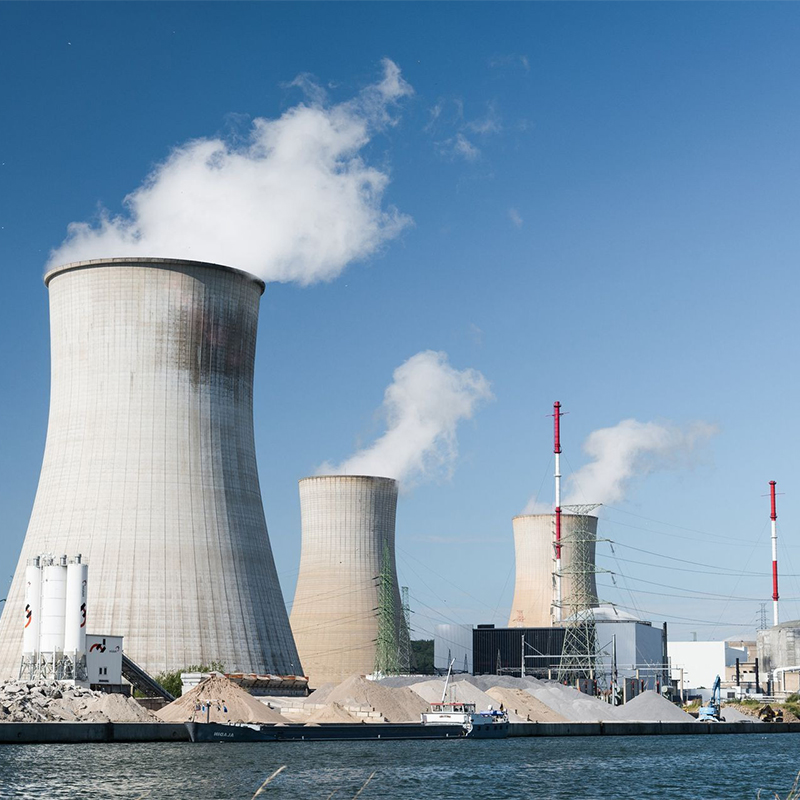
We Provide Cooling Tower Solution

Views: 0 Author: Site Editor Publish Time: 2026-02-26 Origin: Site


Cooling towers are the workhorses behind industrial heat rejection systems — quietly removing heat day in and day out. But in today’s connected world, simply running a cooling tower on manual controls is like driving a racecar in first gear: you’ll get there eventually, but you’re leaving performance — and efficiency — on the table.
Welcome to the era of smart cooling tower system controls, powered by IoT and remote monitoring. Whether you’re a seasoned engineer or a facilities manager just getting your feet wet with IoT tech, this article will walk you through exactly how modern control systems are transforming cooling tower performance — and saving companies real money along the way.
So what does “smart” really mean when we talk about cooling tower system controls?
At a basic level, it’s the integration of intelligent sensors, cloud connectivity, automated logic, and remote access into a cooling tower’s control framework — enabling operators to monitor, optimize, and even predict system behavior without being physically present.
You can think of it like upgrading from a flip phone to a smartphone. The core function is still there — but the flexibility, intelligence, and overall experience are a whole new level.
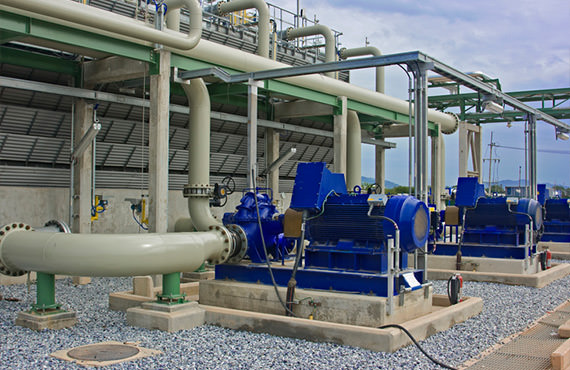
Back in the day, cooling towers were controlled manually or with basic timers — operators would open valves, start pumps, and change fan speeds by hand. Then came PLC (Programmable Logic Controller) systems, which automated repetitive tasks but still required onsite interaction for fine‑tuning and monitoring.
This was great… for its time. But PLCs alone aren’t enough in an age where real-time data and remote access are essential.
Enter IoT — the Internet of Things — where sensors talk, networks connect, and data flows seamlessly to the cloud. Industries across the board are embedding smart technologies into equipment, and cooling towers are no exception.
With IoT, every component — from pumps and fans to water quality meters — can send real-time data to dashboards, trigger automated actions, and even predict failures before they occur.
Sensors are the eyes and ears of your control system. They measure:
Temperature and humidity
Water flow and level
Fan and pump speed
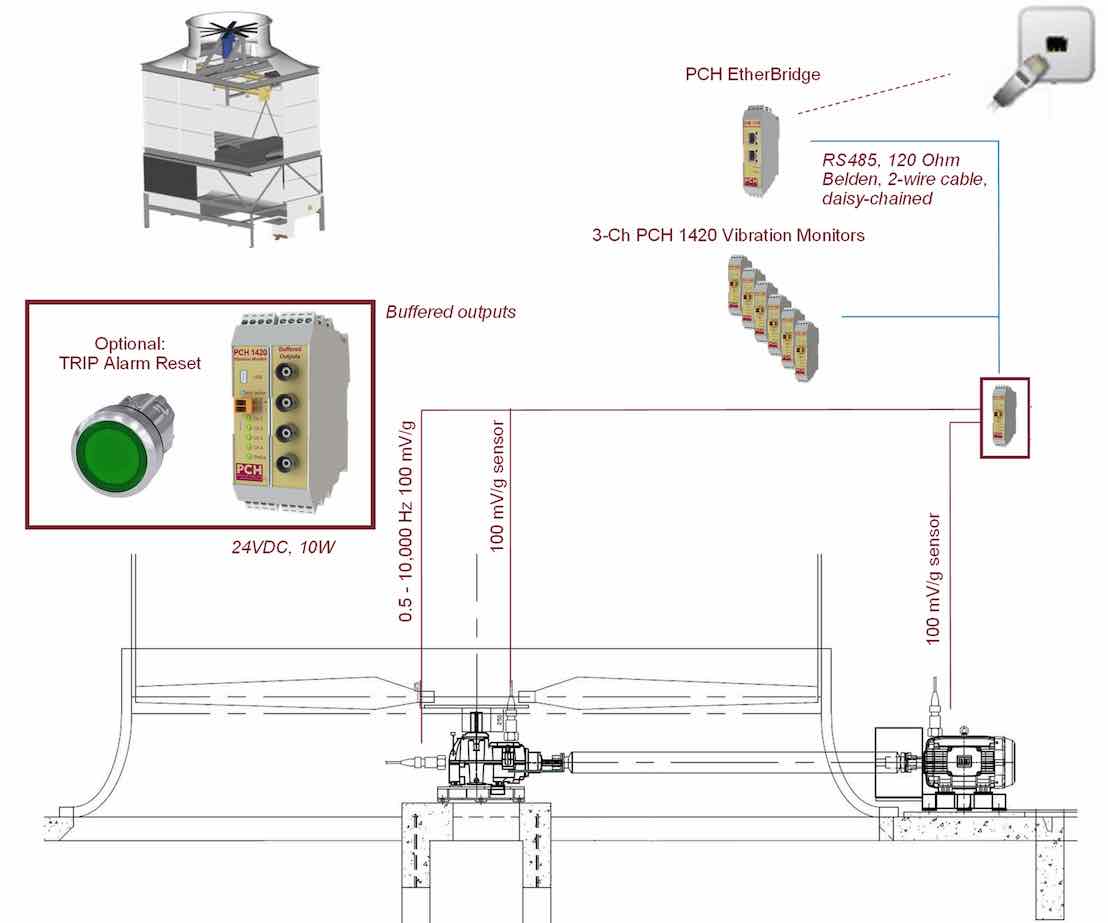
Vibration and equipment health
These devices feed accurate, continuous data to the control system — which then decides what actions to take next.
Once sensors collect data, it needs to go somewhere. That’s where communication comes in — via Ethernet, Wi-Fi, LoRaWAN, or cellular networks — enabling field devices to connect to local controllers or cloud platforms.
This network infrastructure is essential for real-time, remote access — the core promise of IoT.
With smart controls, not all processing happens onsite. Some logic runs near the edge (close to the tower), while heavier analytics and historical storage live in the cloud.
Cloud platforms provide powerful tools for trend analysis, reporting, and remote visualization — letting you spot patterns you’d never see on a lone PLC.


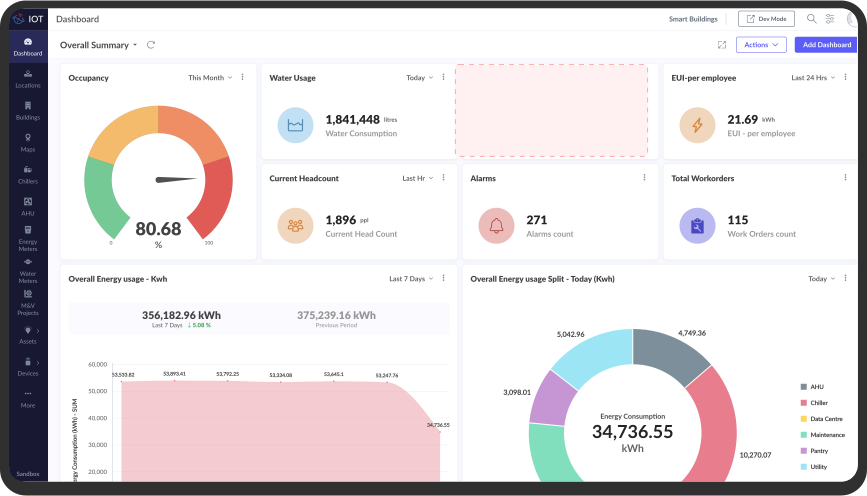
Remote dashboards and apps allow operators to monitor system performance from anywhere — whether it’s a plant next door or a desk halfway across the world. Real-time dashboards show performance metrics like water temperature, fan status, and energy use in a clean, user-friendly interface.
Smart systems also log historical data — letting you identify trends and compare performance over time.
Smart controls don’t just tell you what’s happening — they can predict what will happen.
Machine learning algorithms can identify signs of wear, vibration anomalies, or drift in performance that precede failure. Early detection means planned maintenance instead of unexpected shutdowns — saving time, money, and headaches.
Gone are the days of surprise failures. Smart systems send alarms via SMS, email, or push notification when values go outside acceptable ranges — helping operators take action before issues become emergencies.
Imagine waking up at 2 a.m. and being able to check your cooling tower performance from your phone. With IoT controls, you can. You don’t have to be physically on site to see what’s happening — and that level of visibility improves decision-making across the board.
When a system issue pops up, rapid diagnosis is vital. IoT systems help technicians pinpoint problems before dispatching a service team — often solving issues remotely.
This can drastically reduce downtime, cut service costs, and extend equipment lifespan.
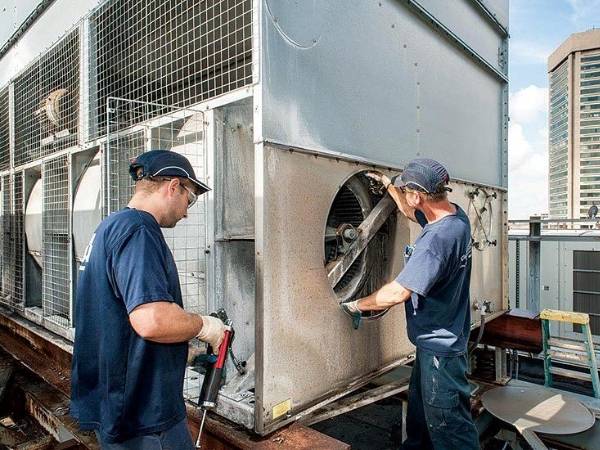
Smart systems automatically adjust fan speeds, pump output, and valve positions based on real-time conditions. Instead of running everything at maximum capacity 24/7, smart logic throttles equipment to exactly what’s needed — and no more.
This precision leads to measurable energy savings.
Your cooling tower doesn’t operate in a vacuum — ambient temperatures, humidity levels, and load demands change throughout the day and year.
Smart controls adapt dynamically, balancing efficiency and performance for optimal results. This helps facilities reduce energy use while maintaining cooling performance — a huge win for budgets and sustainability.
Not all systems are created equal. When selecting a smart control platform, prioritize:
✔ Scalability
✔ Easy integration with existing hardware
✔ Real-time analytics and dashboards
✔ Secure communication channels
Working with experienced partners — like Mach Cooling at https://www.machcooling.com/ — helps you choose the system that fits your needs and budget.
Connectivity means exposure — so cybersecurity must be a priority. Strong encryption, secure firmware updates, and proper network segmentation help ensure your cooling tower controls aren’t vulnerable to threats.
It’s not all sunshine and dashboards. Some facilities hesitate because they think:
❗ “Smart controls are too expensive.”
✅ Truth: They often pay for themselves via energy savings and reduced downtime.
❗ “We don’t need remote access.”
✅ Truth: Remote access improves responsiveness, especially for multi-site operations.
Smart cooling tower controls require planning, but the long-term ROI is hard to ignore.
A mid-size manufacturing plant installed IoT-enabled control systems on its cooling towers, integrating sensors, remote dashboards, and alerting features.
Within months, they noticed:
✨ 15% reduction in energy consumption
20% fewer emergency repairs
⏱ 30% faster issue resolution
Better visibility into performance trends over time
That’s smart control at work — and it’s exactly why facilities are making the switch.

Smart cooling tower system controls — powered by IoT and remote monitoring — are more than a trend. They’re a gateway to greater efficiency, lower costs, and smarter decision-making.
From real-time dashboards to predictive maintenance and adaptive control, the tools available today make managing cooling towers easier and more effective than ever. Partnering with experienced providers like Mach Cooling ensures a smooth transition and maximized ROI.
1. What is a smart cooling tower system control?
It’s a control framework that uses IoT sensors, remote monitoring, and automated logic to optimize cooling tower performance.
2. How does remote monitoring benefit cooling towers?
It enables 24/7 visibility, proactive maintenance, and faster diagnosis — saving time and money.
3. Do smart controls help save energy?
Yes — automated adjustments based on real-time data reduce unnecessary operation and improve efficiency.
4. Is IoT control secure?
With proper cybersecurity measures (encryption, secure networks), IoT systems are safe and reliable.
5. Can smart controls integrate with existing cooling towers?
Yes — many platforms can retrofit onto existing systems and provide immediate value.