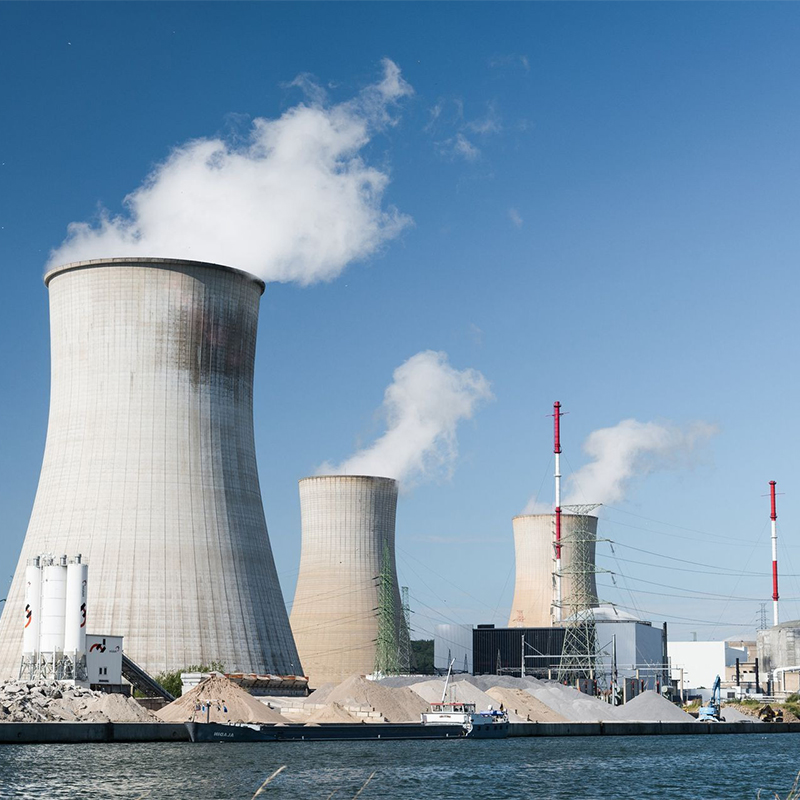
We Provide Cooling Tower Solution

Views: 0 Author: Site Editor Publish Time: 2026-01-07 Origin: Site


Cooling towers play a vital role in industrial plants, commercial buildings, and HVAC systems by efficiently removing heat from circulating water. But while cooling towers are designed to handle heat, they are far more vulnerable to something less visible—poor water quality. This is where cooling tower water treatment services become absolutely essential.
In this guide, we’ll explain what cooling tower water treatment services are, why they matter, how they work, and how well-designed cooling towers from manufacturers like Mach Cooling support effective water treatment and long-term system performance.
At its core, a cooling tower continuously circulates water. That same water is exposed to air, heat, and contaminants every single day. Minerals concentrate, bacteria multiply, and metal surfaces slowly degrade.
Without professional water treatment, a cooling tower becomes inefficient, unreliable, and expensive to operate.
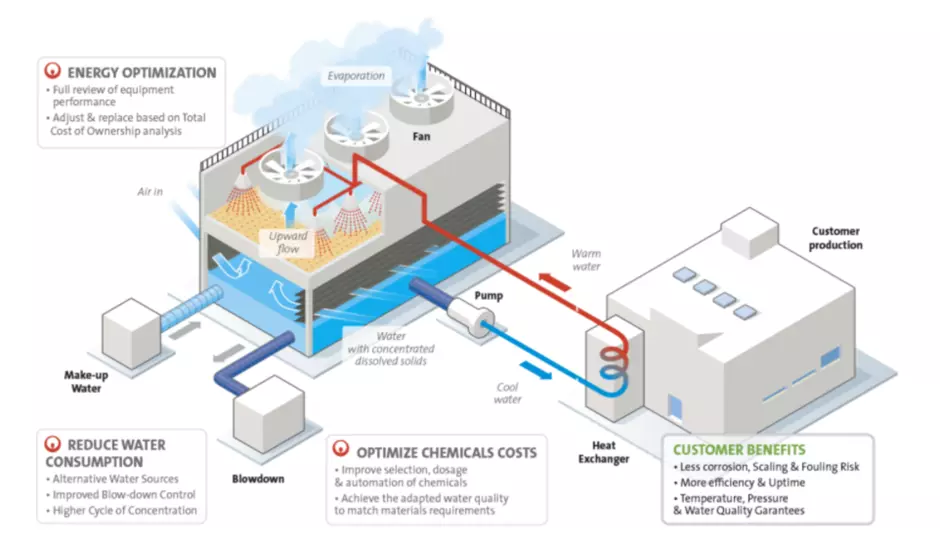
Cooling tower water treatment services are specialized programs designed to control the chemical and biological quality of water inside cooling systems. These services focus on three main goals:
Preventing scale formation
Controlling corrosion
Eliminating biological growth
Think of water treatment as preventive healthcare for your cooling tower—it keeps everything running smoothly before problems become visible.
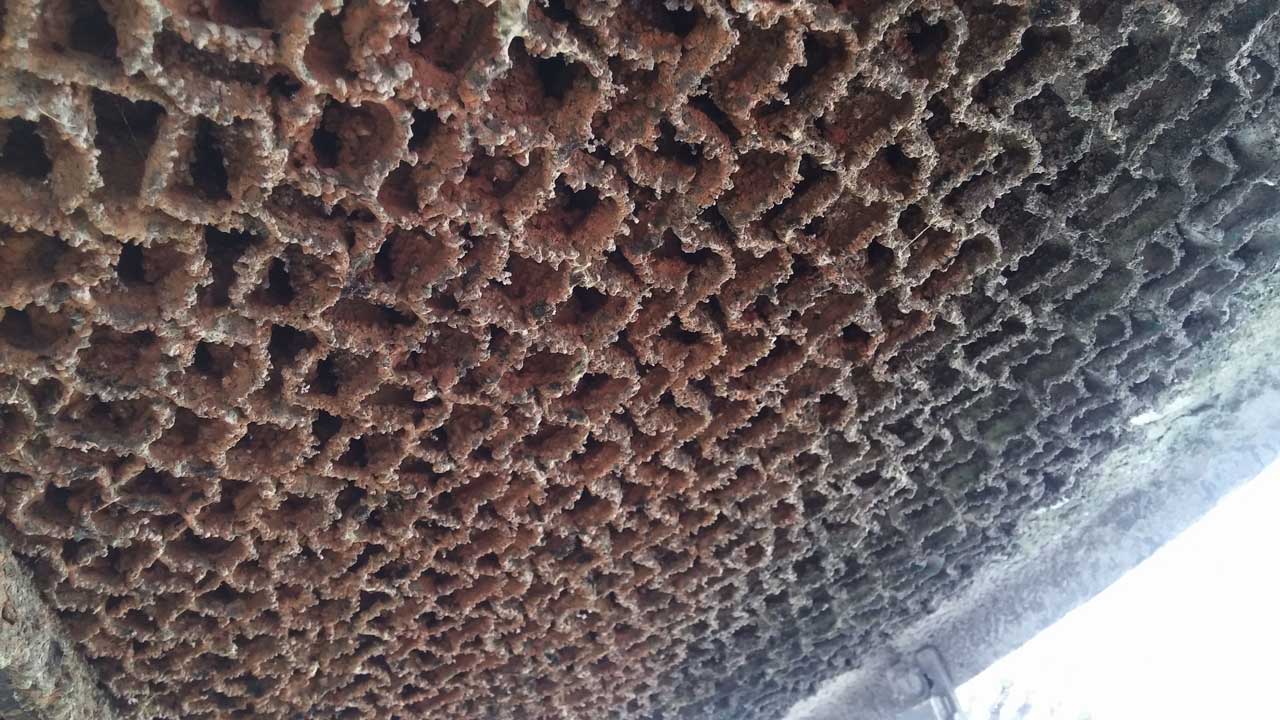
Scale buildup on heat exchange surfaces acts like insulation. Even a thin layer can significantly reduce heat transfer efficiency, forcing fans and pumps to work harder and consume more energy.
The result? Higher operating costs and reduced cooling performance.
Untreated or poorly treated water accelerates corrosion and damages critical components such as:
Heat exchangers
Pipes and basins
Cooling tower fill
Structural steel
Effective water treatment directly extends equipment lifespan and protects your investment.
Scale forms when dissolved minerals—especially calcium and magnesium—precipitate out of warm water and attach to surfaces. Once scale starts forming, it accelerates quickly if left untreated.
Oxygen, salts, and acidic conditions in water attack metal components, leading to leaks, thinning walls, and unexpected failures.
Warm, nutrient-rich water is ideal for algae, bacteria, and biofilm. Biological fouling restricts water flow, reduces heat transfer, and may create health concerns.
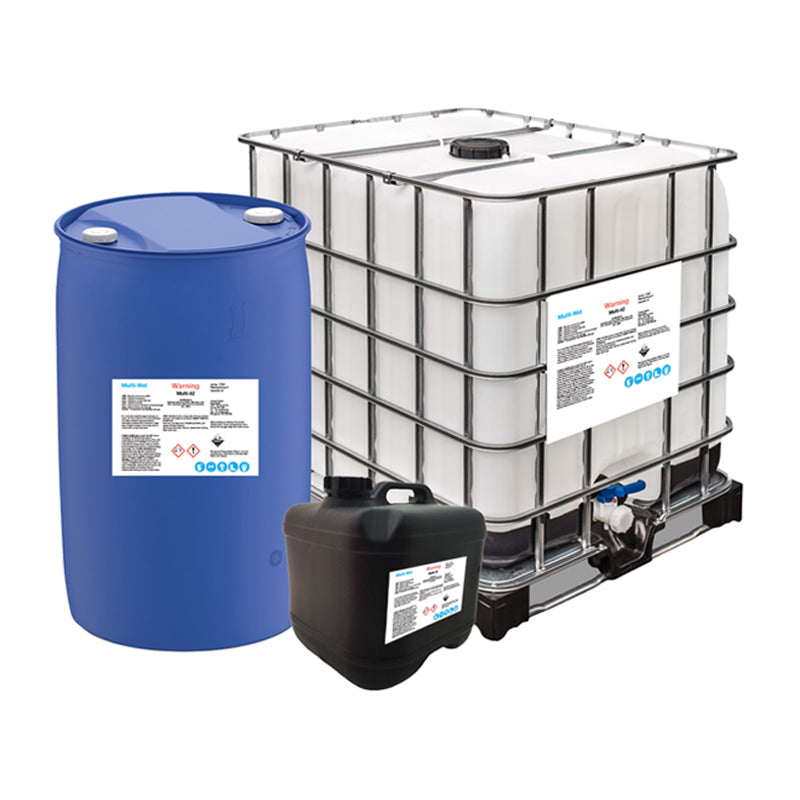
Carefully selected chemicals are used to inhibit scale, control corrosion, and eliminate microorganisms. The key is balance—effective treatment without overuse.
Side-stream filtration removes suspended solids before they settle and form sludge or deposits inside the system.
Modern cooling towers often use automated systems to monitor conductivity, pH, and chemical levels in real time, ensuring consistent protection.
New cooling towers require special treatment to protect fresh metal surfaces and establish stable water chemistry from the very beginning.
Routine testing, chemical adjustments, inspections, and reporting form the backbone of long-term water treatment programs.
When problems such as heavy fouling or microbial outbreaks occur, rapid corrective action is necessary to prevent downtime or equipment damage.
These chemicals prevent minerals from crystallizing and attaching to heat transfer surfaces.
They create protective films on metal surfaces, slowing oxidation and metal loss.
Biocides kill microorganisms, while biodispersants break up biofilms so they can be flushed from the system.
Regular water testing is the foundation of effective water treatment. By monitoring key parameters, service providers can:
Optimize chemical dosing
Detect early warning signs
Prevent costly failures
Reliable data always leads to better decisions.
Cooling tower water treatment must comply with environmental and safety regulations, including:
Chemical discharge limits
Water usage requirements
Legionella control standards
Professional water treatment services help facilities remain compliant while reducing environmental impact.
Proper water treatment reduces blowdown frequency and minimizes water waste. This not only lowers operating costs but also supports sustainability goals—an increasingly important consideration worldwide.
Some of the most common mistakes include:
Using generic, one-size-fits-all chemical programs
Ignoring seasonal changes in water quality
Infrequent testing and monitoring
Poor system cleaning practices
Each mistake quietly reduces efficiency and increases long-term risk.
Experience matters when selecting a water treatment provider. Look for companies that offer:
Proven industrial expertise
Regular reporting and support
Customized treatment programs

At https://www.machcooling.com/, Mach Cooling designs cooling towers with water treatment performance in mind. Features such as optimized water distribution, easy-access basins, and compatible materials allow water treatment programs to work more effectively.
By combining smart mechanical design with professional water treatment services, Mach Cooling helps customers achieve higher efficiency, lower maintenance costs, and longer cooling tower life.
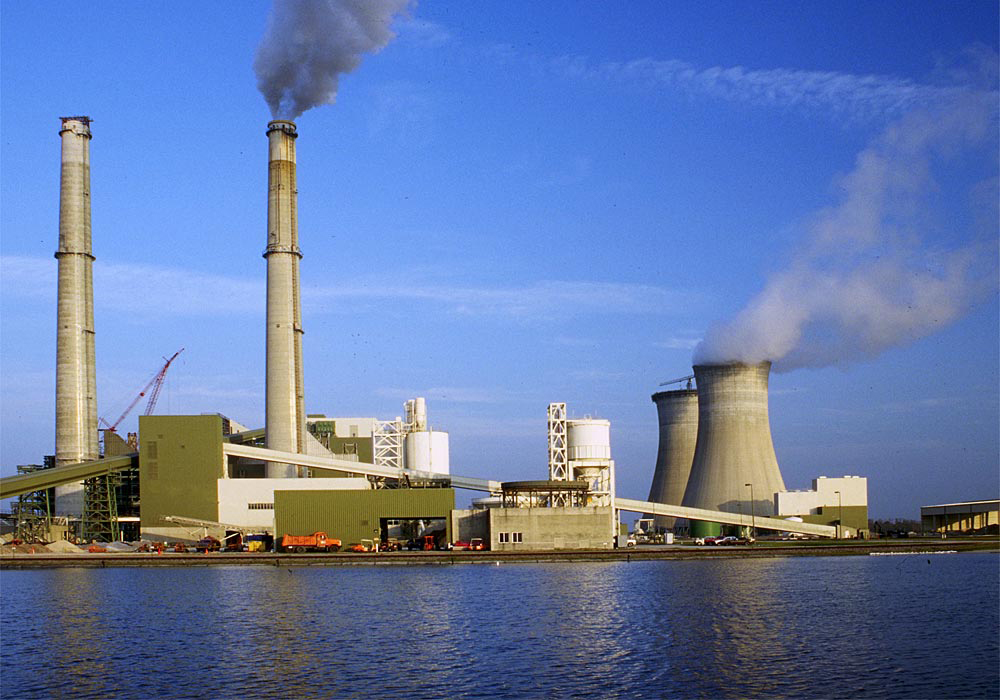
Cooling tower water treatment services are not just about adding chemicals—they are about protecting performance, reliability, and investment. When done correctly, water treatment keeps cooling towers efficient, safe, and sustainable.
By partnering with experienced water treatment professionals and choosing well-engineered cooling towers from manufacturers like Mach Cooling, businesses can transform water from a constant challenge into a powerful advantage.