We Provide Cooling Tower Solution

Views: 0 Author: Cindy Publish Time: 2026-10-17 Origin: Site


Let me paint a picture for you. You've just been handed a project spec that involves cooling capacity measured in hundreds of tons, a strict commissioning deadline, and a budget that has to stretch further than a rubber band. Somewhere in that stack of paperwork sits one deceptively simple decision: which cooling tower vendor are you going to trust?
If you've been in this game for a while, you already know that this single choice can make your project run like a Swiss watch or turn into a six‑month headache. And if you’re new to it, consider this your friendly heads‑up. Cooling towers aren’t widgets you buy off a shelf. They’re the silent workhorses that keep your HVAC system comfortable, your chemical process stable, and your power plant online. Choosing the right vendor isn’t just about price tags and brochures. It’s about engineering, reliability, and the kind of partnership that survives a 2 a.m. emergency call. So let’s roll up our sleeves and walk through exactly how to pick cooling tower vendors for HVAC, chemical, and power plant projects — without getting burned in the process.
Here’s a question worth sitting with: why do some facilities run for two decades with barely a hiccup, while others are constantly patching leaks, chasing noise complaints, and replacing fill every few seasons? In my experience, the difference almost always traces back to the original vendor choice.
A cooling tower is a piece of equipment that lives outdoors, takes a beating from weather, chemicals, and continuous operation, and yet it has to perform day in and day out. The vendor you pick determines the materials, the craftsmanship, the design margins, and — crucially — the support you’ll get when something does go sideways.
Think of it like hiring a contractor for your house. You could hire the cheapest bidder and hope for the best, or you could hire someone with a track record, the right tools, and a willingness to stand behind the work. The second option tends to cost a little more upfront. It also tends to save you a fortune in the long run.
Let’s talk about the ugly side, because nobody does until it’s too late. The wrong vendor can mean undersized towers that struggle to hit design temperatures on a hot summer day. It can mean fill material that degrades in months instead of years because it was cut‑rate plastic. It can mean fans that rattle, basins that crack, and corrosion that creeps in silently.
The cost here isn’t just the repair bill — it’s the lost production. A chemical plant that has to throttle back its process because cooling can’t keep up is losing money every single minute. A facility whose HVAC can’t reject heat is risking system downtime. A power plant that trips because of cooling system failure is looking at consequences measured in six figures.
So when someone tells you “it’s just a cooling tower,” remember this: the tower itself is cheap, but the consequences of failure are expensive. That’s exactly why vendor selection deserves your genuine attention.
Here’s the thing — not all cooling tower projects are created equal. If you walk into this thinking one generic tower fits every job, you’re setting yourself up for trouble. Let me break down the three major project types and why each one expects something different from its cooling tower vendor.
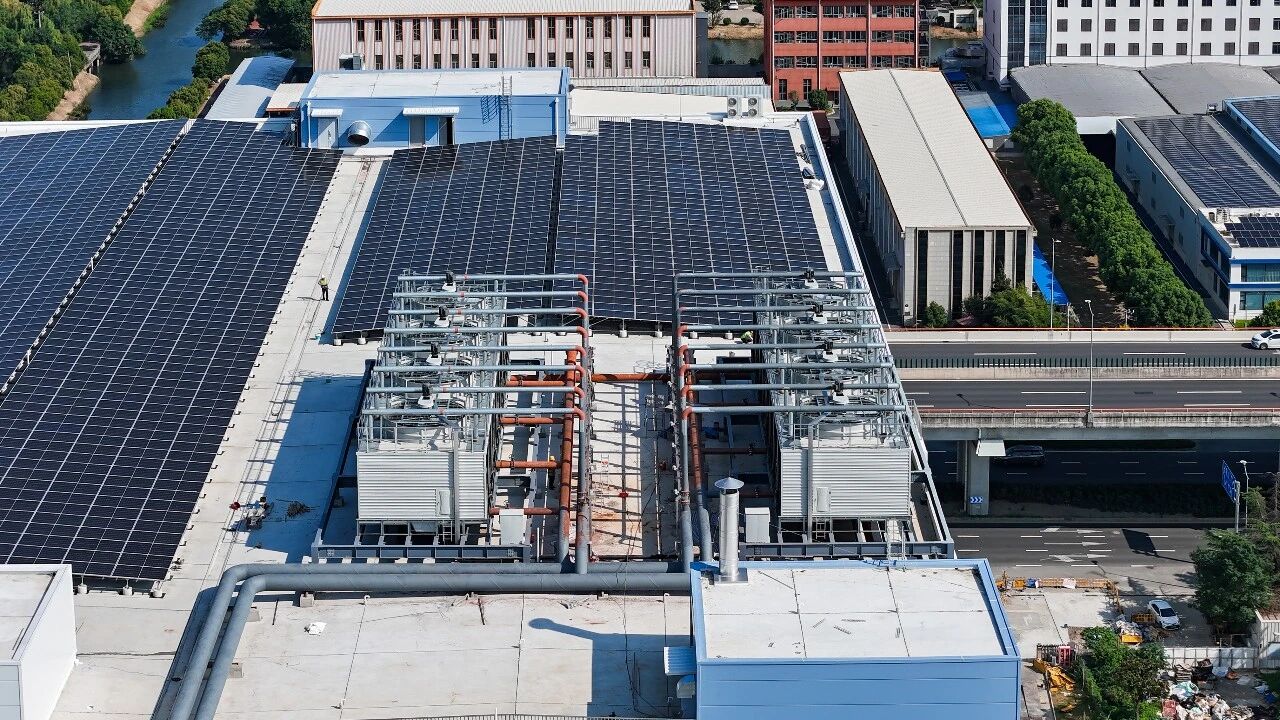
HVAC towers are the ones most people are familiar with. They serve commercial buildings, hotels, hospitals, and industrial air‑conditioning systems. On the surface, the job seems simple: reject heat from the refrigerant loop so the building stays cool.
But don’t let the word “comfort” fool you. These systems run around the clock in many facilities, and when a hotel’s HVAC tower fails in the middle of a heatwave, you’ve got unhappy guests and a very stressed building engineer. HVAC projects value efficiency, quiet operation, and reliability. You want a vendor who understands the balancing act between thermal performance and footprint — especially on rooftops where space is precious.
Now we’re talking about a completely different beast. Chemical processing plants push cooling towers to their absolute limits. The water circulating through these systems often carries aggressive chemicals, and the environment around the tower can be corrosive just by itself.
That means the vendor you choose needs to know their way around corrosion‑resistant materials, proper water treatment integration, and tower designs that don’t rot away after a couple of seasons. This is where cheap materials really come back to haunt you. A chemical plant isn’t the place to gamble on thin‑gauge metal or subpar fill. Your vendor should be talking to you about stainless steel options, FRP components, and coatings that can stand up to the punishment.
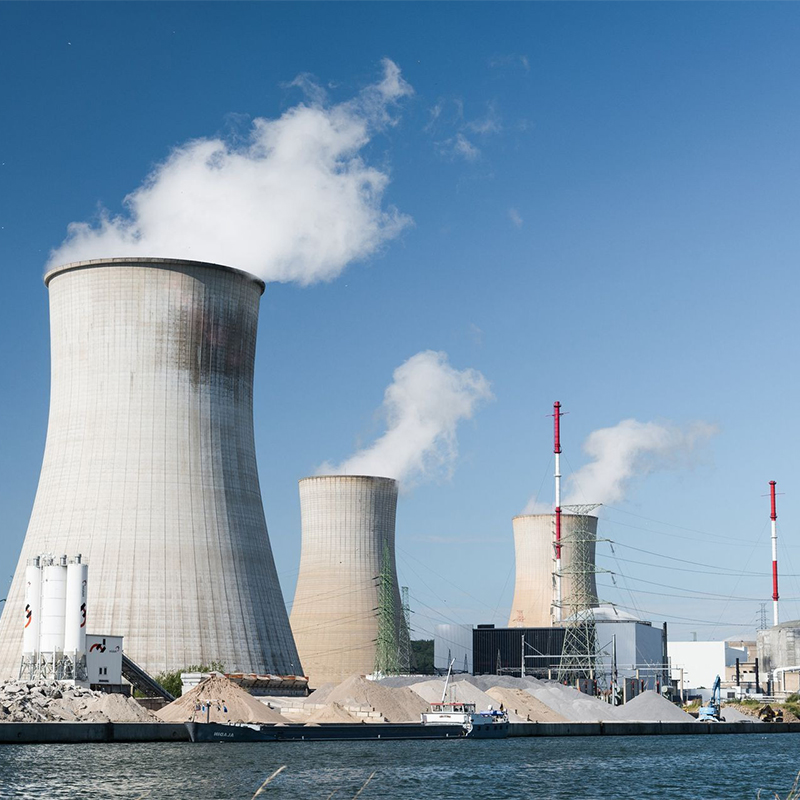
Power plants are the heavyweights of the cooling world. Here, we’re talking about massive heat rejection loads, sometimes thousands of tons per cell, running continuously for years on end. A power plant doesn’t shut down for a cooling tower repair — the stakes are simply too high.
Reliability is everything, which means your vendor needs deep experience with large‑scale industrial towers, robust structural design, and the ability to handle multi‑cell configurations. This is not the place for a vendor who’s only ever built small commercial units. You need someone who has stood next to a tower taller than a house and understood the engineering that keeps it standing.
Okay, so now you know what the three industries need. The next question is simple: how do you actually tell the good vendors from the pretenders? Let me give you the checklist I wish someone had handed me years ago.
First things first: is this vendor actually a manufacturer, or are they just trading under a fancy name? There’s a big difference between a factory that designs and builds its own towers and a middleman who slaps a label on someone else’s product.
Factory‑direct vendors give you better control over quality, faster lead times, and real accountability. When you buy from a genuine manufacturer, you’re not just buying a machine — you’re buying the people who made it. They know every weld, every bolt, and every design decision.
Not every vendor can handle every job. Some are comfortable with small commercial towers; others specialize in massive industrial units. Here’s a useful rule of thumb: if your project needs a giant tower and the vendor’s largest reference is a small rooftop unit, that’s a mismatch.
Look for a vendor whose range covers your project’s size — with headroom to spare. A vendor that builds everything from modest small‑ton units up to 5,000‑ton‑per‑cell monsters is a vendor who’s seen the full spectrum of cooling challenges.
Your project isn’t a textbook case. It has specific dimensions, a specific water quality, specific climate conditions, and specific performance targets. A great vendor doesn’t hand you an off‑the‑shelf catalog and call it a day. They ask questions. They run calculations. They recommend the right configuration — counter‑flow or cross‑flow, the right materials, the right fan and motor sizing.
This engineering support is worth its weight in gold, and it’s one of the clearest signs you’re dealing with a professional outfit rather than a box‑shifter.
Here’s a scenario you’ve probably lived through: the equipment gets installed, the invoice gets paid, and the vendor’s phone number mysteriously stops working. Sound familiar?
A trustworthy cooling tower vendor treats after‑sales as part of the product, not an afterthought. That means responsive support, available spare parts, and people who actually know how the tower works when you call with a problem. Ask yourself: if my fill needs replacing in five years, can this vendor supply it? If my gearbox fails, will they help me source the right part? The answers tell you everything about the relationship you’re signing up for.
Comparison is where the rubber meets the road, but it’s also where most people trip up. Comparing vendors isn’t just about lining up price quotes — it’s about lining up capability, and that takes a little know‑how. Let me walk you through the smart way to do it.
Before you fall in love with a glossy brochure, check the fundamentals. Does the vendor have the manufacturing credentials, quality certifications, and compliance with relevant standards? A professional cooling tower manufacturer should be proud to show you their quality control processes and the standards their towers are built to. If the paperwork is vague or the vendor gets defensive, that’s a signal worth heeding.
This is the question that separates the engineers from the salespeople. Ask directly: what materials are you using for the fill, the casing, the fan stack, the basin? How are you protecting against corrosion?
In chemical and power applications especially, the answer matters enormously. A vendor who can talk confidently about stainless steel, FRP, hot‑dip galvanized steel, and the right material for the right application is a vendor who knows their stuff.
Here’s a technical distinction that’s worth understanding, because it tells you a lot about a vendor’s depth. Counter‑flow towers push air upward against the falling water, while cross‑flow towers push air across the falling water. Each has advantages depending on your application — counter‑flow tends to be more space‑efficient, while cross‑flow can be easier to maintain.
A vendor who can explain both options, and recommend the right one for your project, is demonstrating real engineering competence. A vendor who only knows one configuration might be great at that one thing — or might just be limited. Ask the question and see how they respond.

Let me make a quick case for why I keep coming back to factory‑direct vendors, especially for serious industrial projects. When you buy factory‑direct, you eliminate the middle layers that add cost, add delay, and muddy accountability.
You’re talking to the people who actually design and build the equipment. They can answer your technical questions with authority, they can adjust production to your spec, and they can stand behind the product because they made it. There’s also the trust factor. When a manufacturer puts their name on the tower, they know their reputation is on the line. That’s a powerful motivator to build it right the first time.
Now, I want to introduce you to a company that checks a lot of these boxes, because examples make this concrete. Let me tell you about Mach Industry (Zhejiang) Co.,Ltd. — better known by its brand, Mach Cooling — and why they’re worth a spot on your vendor shortlist. You can explore more product and project details on their official website: https://www.machcooling.com
Mach has been in the cooling tower manufacturing game since 2009. That’s not just a number on a website; that’s nearly two decades of real‑world experience. Over those years, they’ve weathered market shifts, refined their designs, and built towers across industries that push equipment to its limits. When a vendor has that kind of track record, it usually means they’ve already solved the problems you haven’t even hit yet.
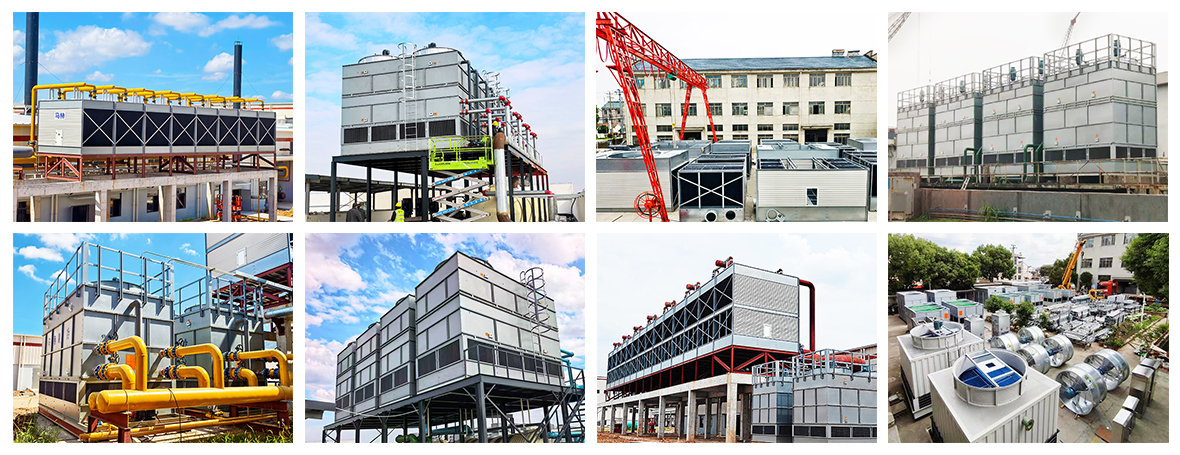
Here’s the range that impresses me: Mach builds cooling towers from a modest minimum of 3 tons of cooling capacity all the way up to 5,000 tons per cell, with multi‑cell configurations available. What does that mean for you? It means whether you’re handling a small commercial HVAC load or a massive power plant heat‑rejection job, they have the engineering bandwidth to match. That kind of range signals manufacturing depth — they’re not a one‑trick pony.

Mach’s cooling towers are already working across a wide slice of the industrial world: central air‑conditioning, sugar processing, power plants, petroleum, smelting, and printing and dyeing, among others. This diversity matters because each of these industries brings its own quirks — aggressive water chemistry, heavy loads, demanding duty cycles. When a vendor has served all of them, they’ve accumulated exactly the kind of practical knowledge that shows up in better recommendations, better materials, and fewer surprises.
Before you put pen to paper, run this five‑question gauntlet. If a vendor handles these with confidence, you’re probably in good hands.
First: “Can you show me a case study from an industry like mine?” Second: “What materials do you use for the fill, casing, and basin, and why?” Third: “Can you walk me through your engineering support and customization process?” Fourth: “What does your after‑sales and spare‑parts support actually look like?” Fifth: “What’s your realistic lead time and delivery commitment?”
None of these are gotcha questions — they’re the questions a smart buyer asks to separate substance from sales talk.
Just as important as knowing what to look for is knowing what should make you run the other way.
Be wary of vendors who quote you a price before asking a single question about your project. Be suspicious of those who can’t explain their materials or their standards. Watch out for unrealistically low prices that promise the world — in cooling towers, you genuinely get what you pay for.
And most of all, be careful with vendors who go silent the moment there’s a problem. The best deal in the world is worthless if nobody answers the phone when the tower starts making strange noises at 3 a.m.
So where does this leave you? Hopefully with a clearer picture and a better checklist. Choosing cooling tower vendors for HVAC, chemical, and power plant projects isn’t rocket science, but it does take attention, curiosity, and a willingness to ask the right questions.
You’re looking for a partner who builds their own equipment, understands your industry, offers real engineering support, and sticks around after the sale. Companies like Mach Industry (Zhejiang) Co.,Ltd. show what that commitment looks like — the kind of manufacturer who’s been at it since 2009, covers everything from 3 tons to 5,000 tons per cell, and serves the industries you actually work in.
The next time you’re staring at a project spec and wondering who to trust, remember: a cooling tower is only as good as the people who stand behind it. Choose wisely, ask the hard questions, and you’ll find a vendor who’s in it for the long haul with you. Your project — and your peace of mind — will thank you.