English


Views: 0 Author: Cindy Publish Time: 2026-10-16 Origin: Site


If you are searching for the cooling tower price in Pakistan, you probably want more than just a number. You need a cooling solution that meets your industrial requirements, operates reliably in local weather conditions, and fits your project budget.
Whether you manage a textile mill in Faisalabad, a manufacturing facility in Karachi, a chemical plant, or a commercial HVAC system in Lahore, choosing the right cooling tower can significantly affect your operating costs and production efficiency.
Cooling tower prices vary according to capacity, design, construction materials, component quality, and manufacturer. A small packaged cooling tower and a large industrial cooling system can have very different prices because they serve different applications and require different engineering solutions.
In this guide, we explain the main factors affecting cooling tower prices in Pakistan, compare popular cooling tower types and capacities, and share practical advice to help you select the right equipment. We will also introduce Mach Industry (Zhejiang) Co., Ltd. as a manufacturer to consider when evaluating industrial cooling tower solutions.
Pakistan has diverse industrial cooling requirements. Textile production, plastic manufacturing, chemical processing, power generation, refrigeration, and commercial air conditioning all depend on effective heat rejection.
However, not every application needs the same cooling tower. A small factory may require a compact packaged unit, while a large industrial plant may need a multi-cell system designed for continuous operation under demanding conditions.
This is why there is no single price that applies to every cooling tower in Pakistan.
The final cost depends on the equipment specifications, required cooling capacity, design conditions, materials, accessories, transportation, and installation requirements. An imported cooling tower may also involve customs clearance, applicable duties and taxes, and inland transportation.
Another important consideration is the quotation scope. One supplier may quote only the cooling tower itself, while another may include the fan motor, fill media, drift eliminators, water distribution system, and other accessories.
The best cooling tower is not necessarily the cheapest one. It is the unit that provides the required cooling performance at a reasonable total cost throughout its service life.
Before comparing suppliers, it helps to understand the main factors that influence cooling tower costs.
Cooling capacity is one of the most important factors affecting price. A cooling tower must remove the heat generated by your industrial process or refrigeration system.
Capacity may be expressed in refrigeration tons, kilowatts, or another measure of heat rejection. However, cooling tower tonnage should not automatically be treated as equivalent to chiller tonnage. The actual cooling tower requirement depends on the system's heat load and operating conditions.
A higher heat load may require a larger heat-transfer area, greater airflow, increased circulating water flow, or multiple cooling tower cells. These requirements can increase manufacturing and installation costs.
When requesting a quotation, provide the required heat load, circulating water flow rate, hot-water temperature, cold-water temperature, and design wet-bulb temperature whenever possible.
Accurate operating data helps the manufacturer select a suitable model instead of relying on nominal capacity alone.
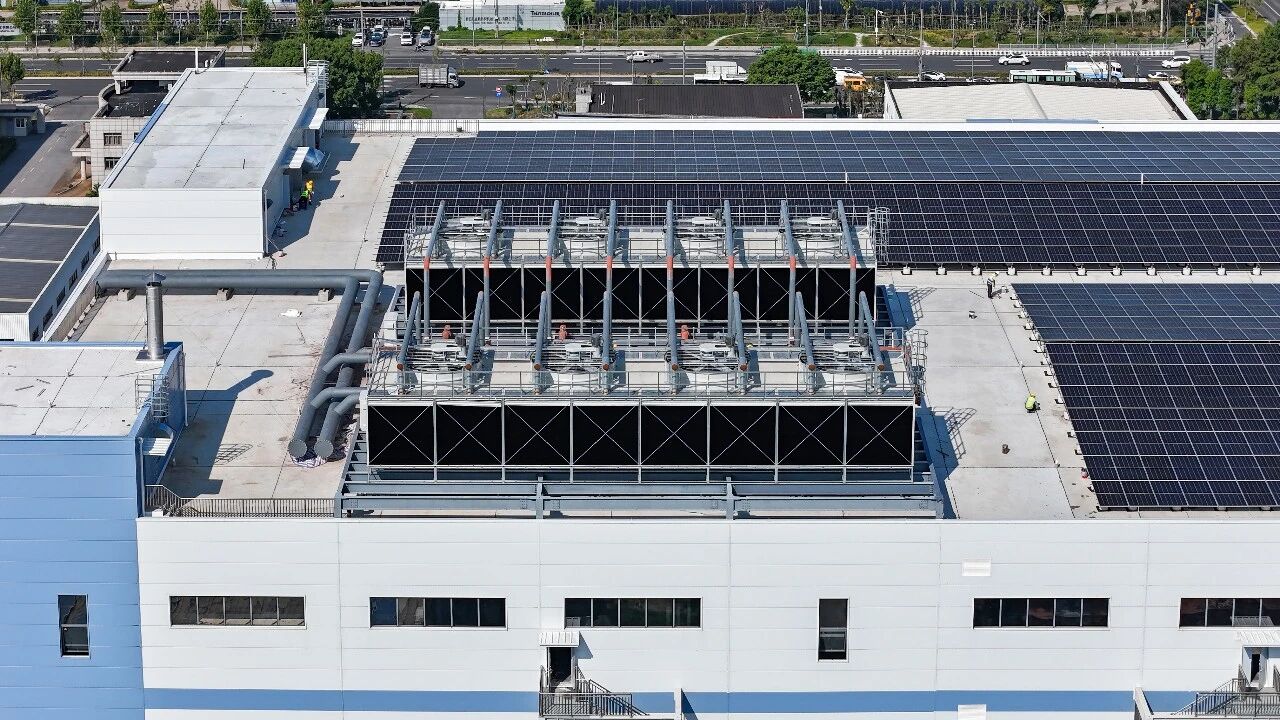
Different cooling tower designs have different construction requirements and operating characteristics.
Open-circuit cooling towers bring air into direct contact with circulating water. Closed-circuit cooling towers transfer heat through a coil, keeping the process fluid separate from the external cooling water environment.
Crossflow and counterflow designs also differ in how air and water move through the tower. These differences influence the equipment layout, dimensions, airflow requirements, maintenance access, and overall cost.
A standard packaged cooling tower may be suitable for a relatively simple application. A specialized industrial installation may require customized engineering and additional components.
The right design depends on your process requirements, available space, water quality, and operating conditions.
Cooling tower prices are also influenced by the materials used in the casing, structure, fill media, fan blades, water distribution system, and other components.
Fiberglass-reinforced plastic (FRP) is widely used in cooling tower construction because of its corrosion resistance and relatively low weight. Galvanized steel and stainless steel may also be suitable for particular structural or environmental requirements.
Fill media is another important consideration. PVC and polypropylene (PP) fills have different operating limits and application characteristics. The correct choice depends on water temperature, water quality, chemical exposure, and the cooling tower design.
Higher-quality materials or specialized corrosion-resistant components may increase the initial purchase price. However, they can also help reduce maintenance requirements and premature replacement when properly selected.
Before purchasing, confirm the material specifications and their suitability for your operating environment.
A cooling tower consumes electricity primarily through its fan motor and associated circulating-water pumps. Fan efficiency, motor selection, airflow resistance, water distribution, and control methods can all influence operating expenses.
A low-priced cooling tower may appear attractive at first, but inefficient airflow or unsuitable components can increase electricity consumption over time.
Some systems can use variable-frequency drives to adjust fan speed according to cooling demand. Whether this approach is appropriate depends on the design and operating profile.
When comparing quotations, ask manufacturers for available performance data, motor power requirements, and design operating conditions.
Looking beyond the initial purchase price can help you identify a cooling tower that offers better long-term value.
The type of cooling tower affects both the initial investment and the long-term cost of ownership. Below are the main configurations industrial buyers in Pakistan may consider.
FRP cooling towers are commonly used in commercial and industrial applications because fiberglass-reinforced plastic offers corrosion resistance and relatively low weight.
They are available in different capacities and configurations, including compact packaged units and larger industrial systems.
The price of an FRP cooling tower depends on its capacity, structural design, fan and motor specifications, fill type, water distribution system, and included accessories.
FRP can be a practical choice in environments where corrosion resistance is important. However, buyers should also check the supporting structure, fasteners, maintenance access, and compatibility with the circulating water.
Do not assume that all FRP cooling towers have identical performance or service life. Compare the actual specifications before making a purchase.
PVC is frequently used as fill media inside cooling towers. Its purpose is to increase the contact area between air and water, supporting heat and mass transfer.
The cost of PVC fill depends on sheet thickness, flute design, dimensions, assembly configuration, and suitability for the intended water temperature.
Industrial cooling towers may use PVC film fill where operating conditions are appropriate. For higher-temperature applications or more demanding water conditions, alternative materials may be necessary.
It is important to distinguish between the price of replacement fill media and the price of a complete cooling tower. They are different products with different cost structures.
When replacing existing fill or purchasing a new system, confirm that the fill material matches the cooling tower design and operating requirements.
In a crossflow cooling tower, air moves horizontally across the fill while water flows downward.
Depending on the model, this arrangement can provide convenient access to certain water distribution and maintenance components. Crossflow towers are used in various commercial and industrial applications where their layout suits the site.
The price depends on capacity, cell arrangement, fan and motor selection, construction materials, and water distribution design.
When comparing crossflow cooling towers, consider the available footprint, maintenance access, expected operating conditions, and energy consumption.
A lower initial price does not necessarily mean the design is the most suitable for your facility.
Counterflow cooling towers direct air upward against the downward flow of water.
Depending on the design, counterflow systems can provide effective heat transfer within a relatively compact footprint. However, their construction, airflow requirements, and maintenance arrangements differ from those of crossflow towers.
The price depends on the required cooling duty, dimensions, fan power, fill performance, materials, and accessories.
Before choosing a counterflow tower, evaluate the installation height, available space, maintenance requirements, and expected performance.
Neither crossflow nor counterflow is universally better. The right choice depends on your application and site conditions.
Closed-circuit cooling towers transfer heat from a process fluid through a heat-exchange coil. Spray water and airflow remove heat from the coil, keeping the process fluid separate from the external cooling water.
This arrangement can help protect process fluids from direct exposure to the external cooling-water environment.
Closed-circuit systems generally involve additional heat-exchange components and may have a higher initial cost than comparable open-circuit configurations.
However, they can be worth considering when fluid cleanliness, process protection, or specific operating conditions justify the investment.
Before selecting a closed-circuit cooling tower, compare its initial cost, maintenance requirements, heat-transfer performance, and suitability for your process.
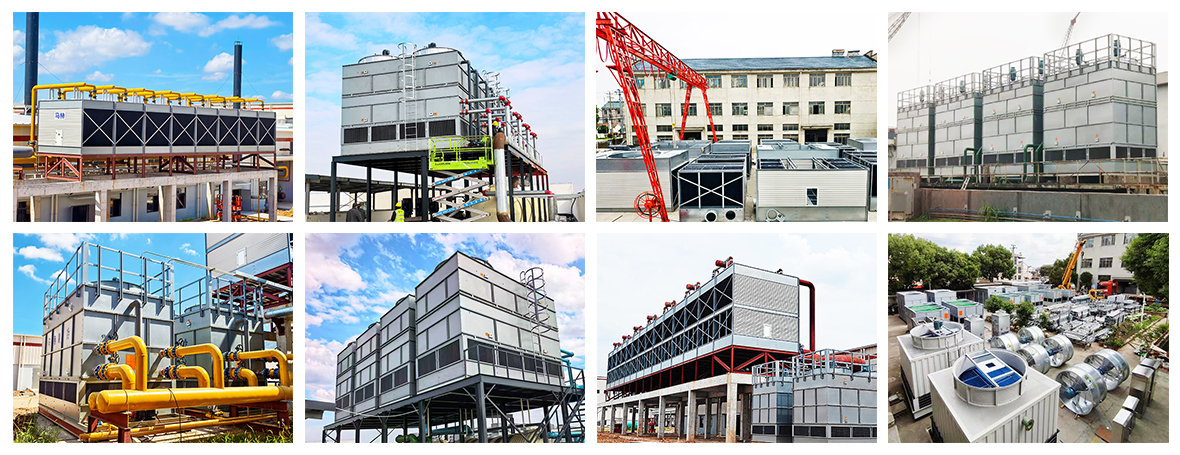
Cooling capacity is a major factor in determining cooling tower prices in Pakistan. However, two towers advertised with the same nominal tonnage may have different designs and performance characteristics.
The actual price depends on the heat load, water flow rate, inlet and outlet temperatures, design wet-bulb temperature, materials, and equipment configuration.
Small-capacity cooling towers are often used in workshops, compact manufacturing facilities, small industrial processes, and refrigeration applications.
Their compact design can simplify transportation and installation compared with larger industrial systems. Nevertheless, proper sizing remains essential.
An undersized cooling tower may fail to provide sufficient cooling during hot weather, even if its advertised nominal capacity appears suitable.
Before purchasing a small cooling tower, confirm the required heat load, water temperatures, flow rate, electrical requirements, and available installation space.
Also check whether the quoted price includes the fan motor, fill media, water basin, drift eliminators, and other necessary components.
A 100-ton cooling tower may be suitable for selected industrial process cooling or commercial HVAC applications, depending on the actual heat-rejection requirement.
However, the term “100 ton” should be verified against the manufacturer's rating basis. Cooling tower capacity is influenced by operating conditions, so nominal tonnage alone is not enough to determine whether a model will meet your requirements.
When requesting a quotation for a 100-ton cooling tower, provide the required water flow rate, hot-water temperature, cold-water temperature, and design wet-bulb temperature.
You should also confirm whether the quotation includes the fan motor, fill media, drift eliminators, basin, controls, and accessories.
Comparing these details across suppliers will give you a more reliable basis for evaluating price and performance.
A 200-ton cooling tower may require a larger heat-transfer area, greater airflow, or a multi-cell configuration, depending on the operating conditions.
These requirements can affect the equipment price, foundation design, transportation arrangements, and installation costs.
For facilities with changing cooling loads, consider whether multiple cells or staged operation could improve operating flexibility. You should also evaluate how the system will perform if one cell needs maintenance.
Ask the manufacturer to explain how the proposed configuration meets your peak cooling demand and expected operating range.
A properly engineered system can help avoid the problems associated with inadequate cooling capacity or unnecessary oversizing.
Large industrial cooling towers are used in heat-intensive applications such as textile production, chemical processing, plastics manufacturing, and other industrial operations.
These installations may require multiple cells, larger motors, specialized structures, extensive water distribution systems, and customized engineering.
In some projects, the cooling tower is only one part of a larger cooling-water system that also includes pumps, piping, water treatment equipment, and electrical controls.
For this reason, large industrial cooling tower quotations should clearly define the equipment scope, technical specifications, installation responsibilities, delivery schedule, and applicable performance commitments.
For a large project, engineering accuracy, reliability, and long-term serviceability may be more valuable than a small reduction in the initial equipment price.
The manufacturer can influence the design quality, component selection, production standards, documentation, warranty conditions, and technical support available to buyers.
However, a well-known brand is not automatically the best choice for every project. Buyers should evaluate the actual product specifications and the manufacturer's ability to meet their operating requirements.
Purchasing through a local Pakistani supplier may simplify communication, installation coordination, site visits, and after-sales service.
International manufacturers may offer different configurations, manufacturing capabilities, or customization options. However, imported equipment can involve additional freight, customs clearance, applicable duties and taxes, and inland transportation costs.
Delivery schedules and responsibilities also depend on the agreed shipping terms.
Before comparing local and international offers, confirm whether each quotation is based on ex-works, FOB, CIF, or another delivery arrangement. These terms determine which costs and responsibilities are included.
A complete comparison should consider equipment quality, technical suitability, delivery, warranty, spare parts, and ongoing support.
Imagine comparing two vehicles by price without checking their engines, fuel consumption, or load capacity. Cooling tower purchasing works in much the same way.
A lower-priced tower may have a different design duty, smaller motor, different fill configuration, or a narrower supply scope. A more expensive quotation may include additional accessories, upgraded materials, or a more comprehensive service package.
Request comparable technical information from every supplier, including cooling performance, water flow, temperature conditions, power requirements, construction materials, and included components.
Only then can you determine which offer provides the best value for your application.
The equipment price is only one part of the total project budget. Buyers should also consider transportation, installation, utilities, water treatment, maintenance, and potential downtime.
For imported cooling towers, shipping costs depend on the equipment's weight, dimensions, packaging, shipping route, and whether the unit can be transported in sections.
Additional expenses may include customs clearance, applicable import duties and taxes, port handling, and inland transportation.
Large components may require special handling or lifting equipment at the destination.
Ask the manufacturer to explain the packaging method, delivery terms, estimated lead time, and responsibilities of each party. Verify applicable import charges with a qualified customs professional before finalizing your budget.
Installation costs may include foundations, steel supports, water piping, valves, pumps, electrical wiring, control panels, lifting, and commissioning.
A replacement project may be less complicated if existing infrastructure is compatible with the new cooling tower. However, old piping, foundations, or electrical systems may need modifications.
Before placing an order, confirm who is responsible for installation, alignment, testing, electrical connections, and commissioning.
A clearly defined installation scope helps prevent unexpected expenses and project delays.
Cooling towers lose water through evaporation, drift, and blowdown. Therefore, water supply and treatment are important parts of operating costs.
Poor water quality can contribute to scale formation, corrosion, biological growth, and fill blockage. These issues can reduce cooling performance and increase maintenance expenses.
Routine maintenance may include inspecting the fan and motor, cleaning the basin and fill, checking water distribution, monitoring water quality, and replacing worn components.
The appropriate water treatment program depends on source-water characteristics, operating conditions, system design, and applicable health and environmental requirements.
Including these expenses in your budget helps you evaluate the real cost of owning a cooling tower.
Choosing a cooling tower should begin with your operating requirements rather than a supplier's price list.
The goal is to identify equipment that provides sufficient cooling, fits the site, and delivers acceptable performance throughout its expected service life.
Start by collecting the information needed to calculate the cooling duty.
Important parameters include:
Required heat load or cooling capacity
Circulating water flow rate
Hot-water inlet temperature
Cold-water outlet temperature
Design entering wet-bulb temperature
Site location and available installation space
Water quality and operating schedule
Electrical supply and applicable noise restrictions
Pakistan's climate varies significantly by region and season. The design wet-bulb temperature should therefore reflect the project's location and required operating reliability.
Providing accurate information allows the manufacturer to recommend a suitable configuration and reduces the risk of selecting an undersized or oversized tower.
Total cost of ownership includes the purchase price, transportation, installation, electricity, water, treatment chemicals, maintenance, spare parts, and potential production downtime.
A cooling tower with a higher initial price may offer better long-term value if it meets the required cooling duty with lower energy consumption or fewer maintenance interruptions.
However, a more expensive configuration is not always necessary for a simple application.
Compare expected costs over a suitable service period, using consistent assumptions and verified performance data wherever available.
Before placing an order, review the technical datasheet, design conditions, materials, motor specifications, fan arrangement, fill type, drift eliminators, dimensions, warranty, and delivery schedule.
Ask how the supplier handles technical questions, warranty claims, and replacement-part requests.
For imported equipment, clarify who will provide installation support and how spare parts can be obtained.
Clear documentation and reliable communication can be just as important as the initial quotation.
For buyers comparing international cooling tower manufacturers, Mach Industry (Zhejiang) Co., Ltd. is an option to evaluate for industrial cooling requirements.
You can explore product information and available contact channels on the official website: https://www.machcooling.com/.
When contacting Mach Industry, explain your application and ask which cooling tower model or configuration matches your required cooling duty. Instead of selecting a product based on nominal tonnage alone, request a proposal based on your water flow rate, inlet and outlet temperatures, design wet-bulb temperature, site conditions, and operating schedule.
It is also important to confirm the available construction materials, included components, delivery arrangements to Pakistan, warranty terms, and technical support.
For industrial buyers, a suitable manufacturer should do more than provide a price. The supplier should help clarify the technical requirements and provide a proposal that allows you to evaluate performance, equipment scope, and project cost.
As with any supplier, review the final specifications and obtain written confirmation of the agreed scope before placing an order.
To obtain a useful quotation, prepare a technical inquiry instead of asking only, “What is your cooling tower price?”
Include the application, required heat load, circulating water flow rate, inlet and outlet water temperatures, project location in Pakistan, and design wet-bulb temperature.
If you know your preferred configuration, specify whether you require an open-circuit or closed-circuit cooling tower. You should also describe the available installation space, electrical supply, water quality, preferred materials, and any special operating requirements.
Ask the manufacturer to provide the following information:
Recommended cooling tower model and rated capacity
Design conditions and available performance data
Overall dimensions and installation requirements
Fan motor power and electrical specifications
Fill media, drift eliminators, and other included components
Construction materials and accessories
Equipment price and quotation validity
Delivery lead time and shipping terms
Warranty conditions and spare-parts availability
Installation and commissioning responsibilities, if applicable
If you do not know the exact cooling capacity, provide your process or chiller information and ask the manufacturer to help determine the required heat-rejection duty.
For a project-specific quotation from Mach Industry (Zhejiang) Co., Ltd., visit Mach Cooling and use the company's available contact channels.
There is no single reliable average price for all cooling towers in Pakistan. The cost depends on capacity, type, construction materials, design conditions, included components, delivery arrangements, and installation requirements.
For an accurate estimate, request a quotation based on your actual operating conditions and compare offers with equivalent specifications.
A standard packaged open-circuit cooling tower may be a cost-effective option for many conventional applications.
However, the most affordable solution depends on the required cooling duty, water quality, installation conditions, and operating costs. Closed-circuit systems may have a higher initial price but can be appropriate when process-fluid separation is important.
The price of a 100-ton cooling tower depends on the rating basis, water temperatures, design wet-bulb conditions, materials, fan and motor specifications, accessories, and delivery terms.
Confirm what the supplier means by “100 ton” and provide the required operating data before requesting a quotation. This helps ensure that the proposed model meets your actual cooling requirements.
A Chinese-manufactured cooling tower can be worth considering if its design meets the project's performance requirements and the manufacturer provides clear specifications, appropriate quality documentation, suitable warranty terms, and reliable delivery arrangements.
Buyers should also evaluate freight, customs costs, spare-parts availability, and after-sales support. Compare the complete proposal with local and other international alternatives before making a decision.
At minimum, provide the required heat load or system capacity, circulating water flow rate, hot-water temperature, cold-water temperature, and project location.
The design wet-bulb temperature is also important for performance selection. If available, include water-quality data, site dimensions, electrical requirements, operating schedule, preferred tower type, and delivery requirements.
The more accurate the information, the more useful the quotation will be.
Finding the right cooling tower price in Pakistan means balancing the initial investment with cooling performance, reliability, energy consumption, installation, and maintenance.
The type of tower, capacity, construction materials, manufacturer, transportation, and project conditions all influence the final cost. Before choosing a supplier, confirm the required cooling duty, compare equivalent technical specifications, and calculate the broader project budget.
Do not let a low initial price distract you from inadequate performance, unclear warranty terms, or unexpected delivery and installation expenses.
If you are evaluating an industrial cooling solution, Mach Industry (Zhejiang) Co., Ltd. is one manufacturer you can contact to discuss your project requirements.
Visit www.machcooling.com to explore the company's cooling tower offerings and request a project-specific quotation.
Ultimately, the right cooling tower is not simply the one with the lowest price. It is the one that meets your cooling requirements reliably, fits your budget, and delivers value throughout its service life.