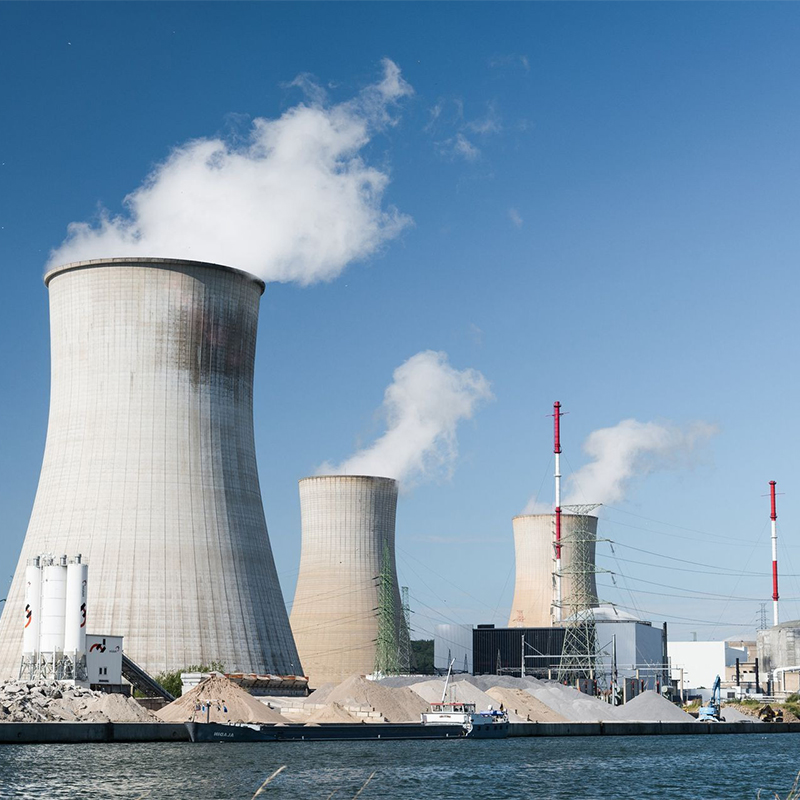
We Provide Cooling Tower Solution

Views: 0 Author: Cindy Publish Time: 2026-10-12 Origin: Site


Mini cooling towers provide compact heat rejection for light industrial processes, HVAC support, laboratories, commercial buildings, and smaller production lines. A successful project depends on choosing the right tower, preparing the site correctly, installing it safely, and commissioning it with measured checks rather than assumptions. This Complete Installation Guide for Mini Cooling Towers: From Selection to Commissioning walks through the practical decisions that shape reliable performance and easier long-term cooling tower maintenance.
Before buying equipment, confirm the heat load, required flow rate, entering and leaving water temperatures, wet-bulb design conditions, water quality, available space, noise limits, and service access. These details determine whether the tower can reject heat under real operating conditions, not just on paper. If any of these inputs are uncertain, size conservatively and consult the tower manufacturer or a qualified engineer before proceeding.
A mini cooling tower may be compact, but it still needs enough airflow, make-up water, drainage, electrical supply, and structural support. Selection should also consider the fill type, fan arrangement, basin capacity, drift eliminators, controls, and corrosion-resistant materials. The best unit is not simply the smallest or cheapest option; it is the one that matches the process while remaining accessible for inspection, cleaning, and future repairs.
Good cooling tower installation begins before the unit arrives. The foundation or support frame must be level, stable, and able to carry operating weight, including water, vibration, and environmental loads. Place the tower where discharge air will not recirculate into the intake, because recirculation can raise operating temperatures and reduce efficiency.
Use this pre-installation checklist:
Verify equipment dimensions, lifting points, and delivery access.
Confirm clearances around air inlets, fan discharge, panels, valves, and strainers.
Prepare a level pad, curb, skid, or steel support according to project requirements.
Plan pipe routes with isolation valves, flexible connectors where appropriate, and serviceable strainers.
Provide safe electrical disconnects, grounding, and weather-suitable controls.
Confirm make-up water, overflow, blowdown, and drain connections.
Review local water treatment, noise, and discharge requirements before startup.
Set the tower carefully using approved lifting methods, keeping the unit level and avoiding stress on the casing or basin. Once positioned, anchor it according to the project design and manufacturer guidance. Do not use piping to pull the tower into alignment; misaligned piping can create leaks, vibration, and premature component wear.
Connect condenser or process-water piping with attention to flow direction, venting, drainage, and isolation. Install strainers where debris could enter nozzles, heat exchangers, or pumps. Electrical work should be completed by qualified personnel, with fan rotation checked before operation. If the tower has automatic controls, float valves, temperature sensors, or basin heaters, verify each device is installed where it can read and respond accurately.
Commissioning confirms that the tower is clean, safe, leak-free, and operating as intended under load. Start with a visual inspection, then fill the basin, flush debris, check valves, and confirm proper water level. Only after mechanical, electrical, and water-side checks are complete should the system run continuously.
A practical commissioning sequence includes:
Inspect the basin, fill, eliminators, fan, guards, fasteners, and access panels.
Flush the system until construction debris and loose material are removed.
Prime pumps and confirm design flow through the tower circuit.
Check fan rotation, motor current, vibration, and unusual noise.
Adjust make-up, overflow, and bleed-off settings.
Record entering water temperature, leaving water temperature, ambient conditions, and operating pressure.
Recheck for leaks after the system reaches normal temperature.
These records create a useful baseline for troubleshooting later. If performance is below expectation, review airflow restrictions, water distribution, pump flow, fouled strainers, and recirculated discharge air before assuming the tower is undersized.
Cooling tower maintenance should begin immediately after commissioning, not months later. Even small towers can accumulate scale, biological growth, sediment, and blocked spray nozzles if water treatment and cleaning are neglected. A simple schedule helps operators catch problems before they affect cooling performance.
Routine tasks include checking basin level, cleaning strainers, inspecting fill and eliminators, confirming fan operation, testing water quality, and looking for corrosion or leaks. Seasonal shutdowns should include draining where freezing is possible, cleaning the basin, and protecting exposed components. With correct selection, careful installation, verified commissioning, and consistent maintenance, a mini cooling tower can deliver dependable cooling in a compact footprint.