We Provide Cooling Tower Solution

Views: 0 Author: Site Editor Publish Time: 2026-01-17 Origin: Site


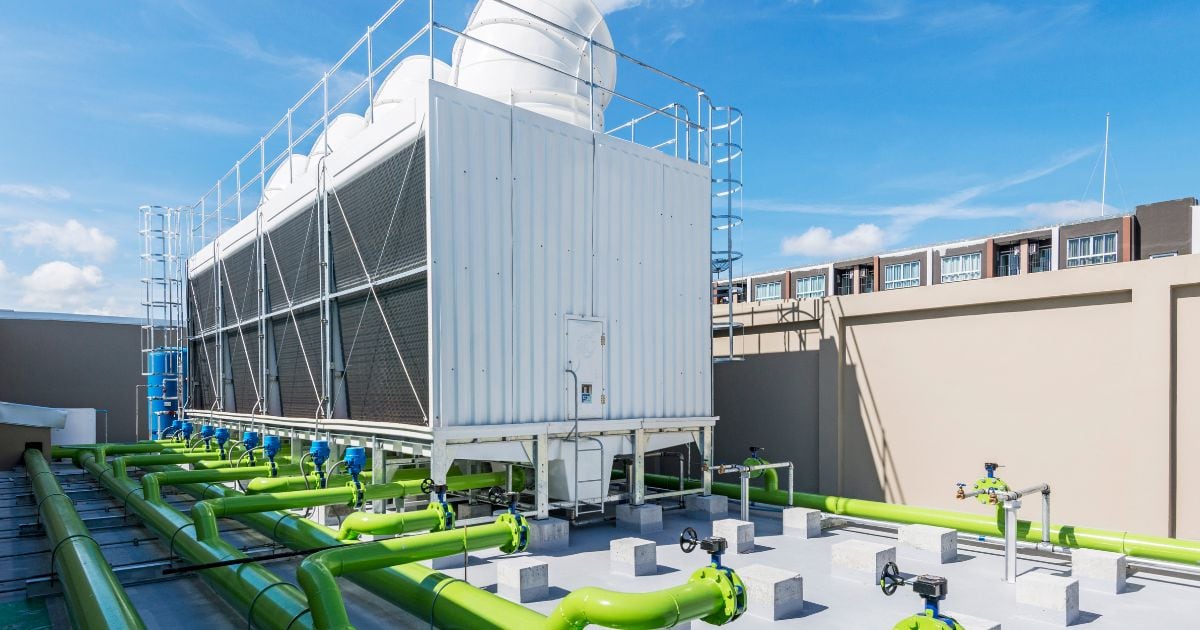
Cooling tower screens may look like a small accessory, but in reality, they play a big role in system reliability, efficiency, and maintenance cost. Think of them as the gatekeepers of your cooling tower—letting clean air in while keeping unwanted debris out.
In this in-depth guide, we’ll walk through cooling tower screen design, focusing on materials, mesh size, and airflow considerations. Drawing on real engineering practice and manufacturing experience from Mach Cooling (https://www.machcooling.com/), this article explains not just what cooling tower screens are, but how to design them correctly.
A cooling tower screen is a protective barrier installed at air inlets, louvers, or basin openings. Its primary job is to stop leaves, dust, insects, plastic bags, and other airborne debris from entering the cooling tower.
Without a proper screen, debris can clog fill media, damage fans, contaminate water basins, and trigger unplanned shutdowns.
Many people treat cooling tower screens as an afterthought. But a poorly designed screen can restrict airflow, increase fan energy consumption, and quietly reduce thermal performance.
A good screen, on the other hand, does its job so well that you barely notice it’s there.
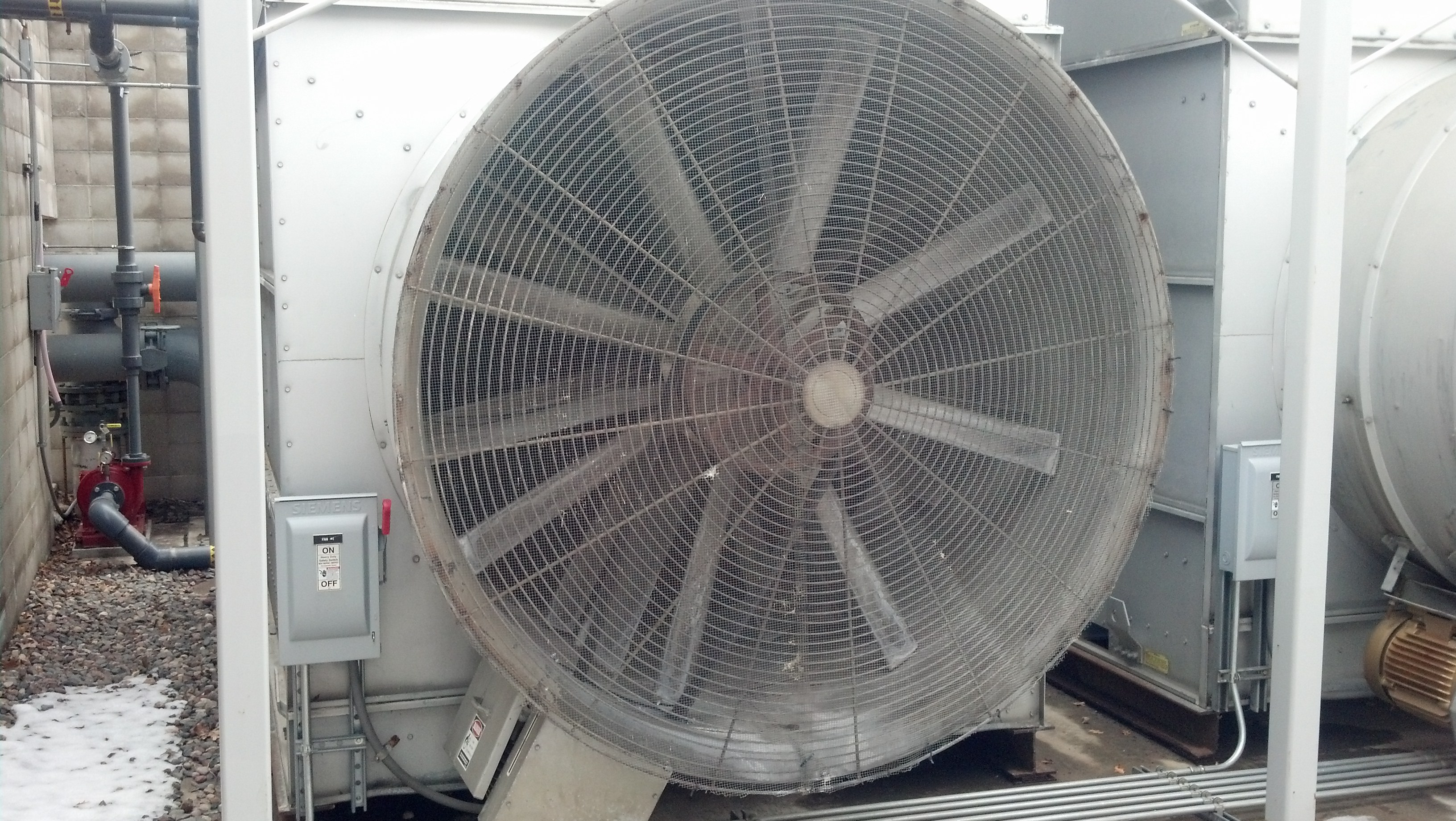

Cooling tower screens act as the first line of defense. By blocking debris at the air inlet, they protect:
Cooling tower fans
Fill media and drift eliminators
Distribution systems and basins
This protection directly translates into longer equipment life and fewer maintenance interventions.
Cooling towers rely on a steady volume of air. Screens help maintain consistent airflow even in dusty, windy, or leaf-heavy environments—especially during seasonal changes.
Screens are constantly exposed to wind loads, vibration, UV radiation, and moisture. Weak designs bend, rattle, or tear loose over time.
A properly engineered screen maintains shape and rigidity throughout its service life.
No two cooling towers are exactly alike. Screen design must match:
Tower geometry
Airflow direction
Structural mounting points
Maintenance access requirements
This is why custom design is often essential, especially for retrofit projects.
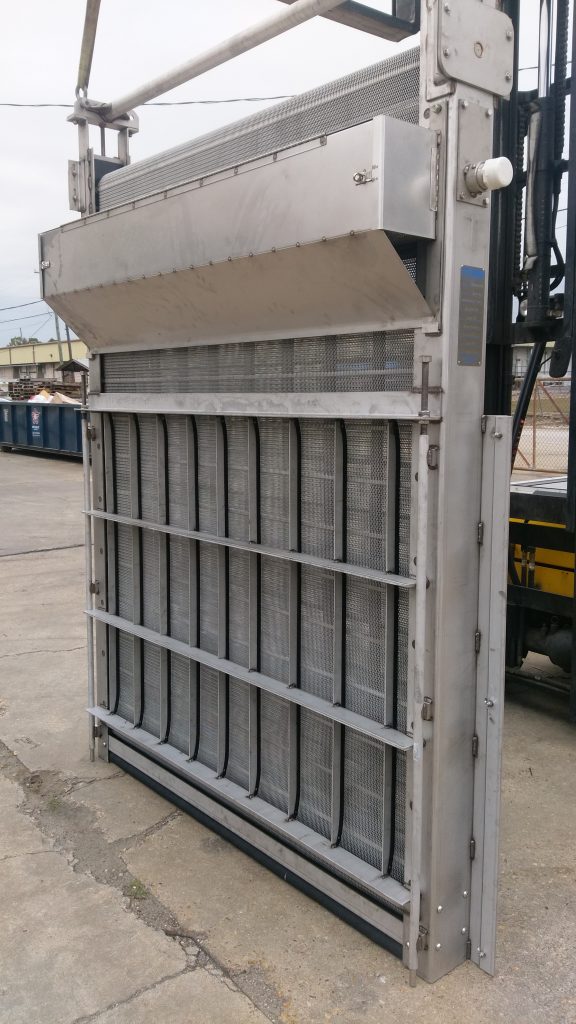
Stainless steel screens offer excellent corrosion resistance and long service life. They’re commonly used in:
Coastal environments
Chemical plants
High-humidity or corrosive conditions
They cost more upfront but deliver strong long-term value.
Galvanized steel is a popular, cost-effective option for moderate environments. It provides good strength and reasonable corrosion protection when properly maintained.
FRP (Fiber Reinforced Plastic) screens are lightweight, corrosion-resistant, and easy to install. They’re ideal for retrofits where structural load must be minimized.
Plastic screens are suitable for low-load applications. They resist corrosion well but are typically used where wind load and mechanical stress are minimal.
Mesh size determines what gets blocked—and how much air can pass through. Smaller openings stop finer debris but also create more airflow resistance.
Fine mesh blocks insects, dust, and small debris
Coarse mesh blocks leaves, trash, and larger objects
The correct choice depends on the operating environment.
This is the classic trade-off. Too fine, and fans work harder. Too coarse, and debris sneaks in. Smart design finds the balance point where protection and airflow coexist.

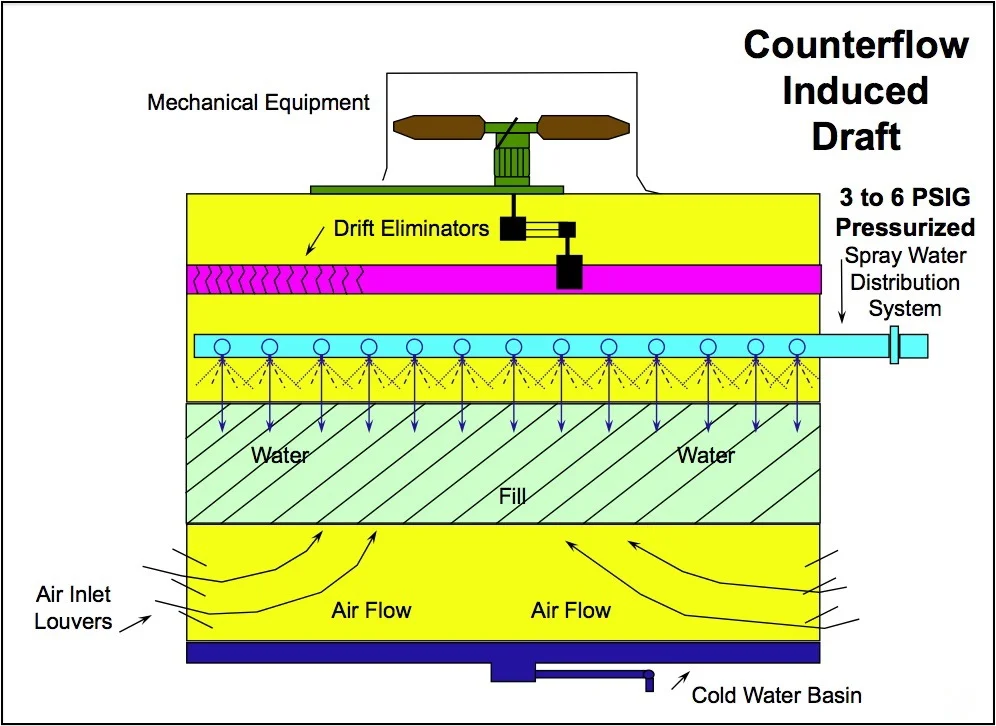
Every screen introduces some resistance. Poor designs increase pressure drop, forcing fans to consume more power—and raising operating costs.
Mach Cooling designs screens with high open-area ratios, smooth edges, and proper spacing to minimize airflow disruption while maintaining protection.
Air inlet screens are the most common and most critical. Proper mounting ensures easy removal for cleaning and inspection without compromising airflow.
Secondary screens are often installed to protect basins and louvers from large debris, birds, or animals.
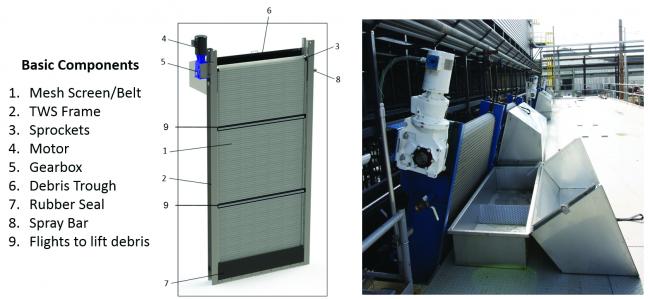
Mach Cooling doesn’t rely on one-size-fits-all solutions. Each cooling tower screen is engineered based on:
Site environment
Airflow requirements
Tower structure
Maintenance needs
With in-house fabrication and strict quality checks, Mach Cooling ensures consistency, durability, and precise fit for every project.
Used in steel mills, refineries, and chemical plants where debris control and reliability are mission-critical.
In commercial buildings, cooling tower screens help maintain comfort while keeping maintenance costs under control.
Screens should be easy to access and clean. Regular inspection prevents airflow restriction and extends service life.
Custom-designed screens are ideal for upgrading older cooling towers without major structural modification.
Choosing mesh size without airflow analysis
Ignoring environmental debris conditions
Using incompatible materials
Treating screens as generic accessories
Each mistake quietly reduces system efficiency.
Look beyond price. A reliable supplier should offer:
Engineering support
Custom design capability
Manufacturing control
Proven cooling tower experience
This is where Mach Cooling stands out.
Do cooling tower screens reduce cooling efficiency?
Not when properly designed.
Can screens be customized for old cooling towers?
Yes—and customization is often necessary.
Cooling tower screen design is not just about blocking debris. It’s about materials, mesh size, and airflow working together to protect performance without compromise.
With engineering-driven solutions from Mach Cooling (https://www.machcooling.com/), cooling tower screens become a smart investment—quietly protecting your system while letting it breathe freely.