We Provide Cooling Tower Solution

Views: 0 Author: Site Editor Publish Time: 2026-01-19 Origin: Site


When engineers talk about cooling towers, thermal performance is always the first thing on the table. After all, the main job of a cooling tower is simple: remove heat efficiently and reliably. But when it comes to choosing between a crossflow vs counterflow cooling tower, things get a little more complicated.
Which design cools better? Which one saves more energy? And which one actually makes sense for your application? Let’s walk through it step by step, in plain English, and settle the debate once and for all.
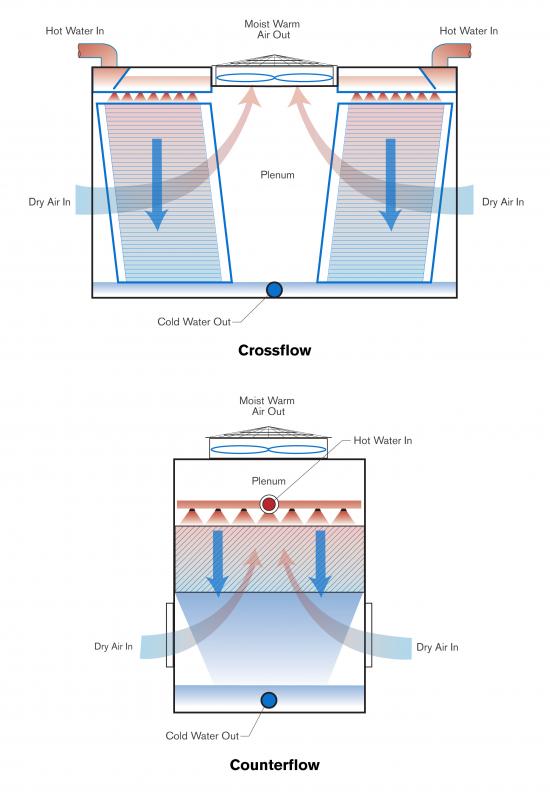
A crossflow cooling tower is designed so that air flows horizontally across the downward flow of water. This configuration has been widely used in industrial and HVAC systems for decades because of its simplicity and energy efficiency.
Hot water enters the tower through gravity-fed distribution basins located at the top. From there, the water flows downward across the fill media. At the same time, ambient air is drawn in from the sides and moves across the falling water.
This perpendicular airflow allows heat to transfer gently but consistently, much like wind cooling your skin on a hot day.
Crossflow cooling towers are commonly used in:
Commercial HVAC systems
Large industrial plants
Facilities with long operating hours
Projects where energy efficiency is a priority
Their open design also makes inspection and maintenance easier.
A counterflow cooling tower takes a more aggressive approach. In this design, air flows upward directly against the downward flow of water, creating intense heat transfer.
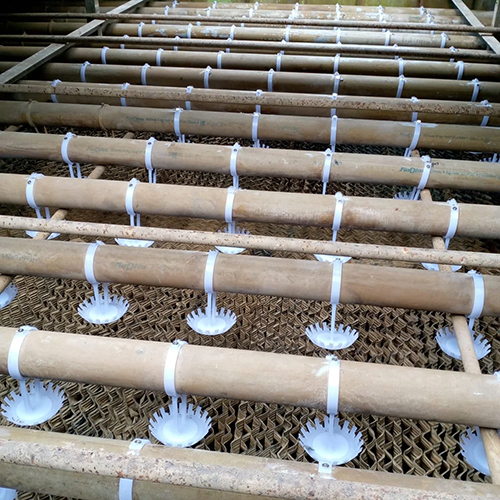
Water is sprayed downward through pressurized nozzles, while air is forced upward from the bottom by powerful fans. This head-on interaction maximizes the temperature difference between air and water, which significantly improves thermal performance.
Counterflow cooling towers are ideal for:
Power plants
Heavy industrial processes
High heat-load systems
Installations with limited space
Thermal performance doesn’t depend on tower type alone. Several technical factors play a role.
Counterflow towers benefit from a stronger temperature gradient, which accelerates heat transfer. Crossflow towers rely more on extended contact time rather than intensity.
Crossflow towers provide longer exposure between air and water. Counterflow towers generate more turbulence. One is a steady jog; the other is a sprint.
Counterflow cooling towers generally achieve a lower approach temperature, which means colder outlet water under the same conditions.
From a purely thermal perspective, counterflow cooling towers usually outperform crossflow designs, especially under high heat loads.
Crossflow towers use gravity-fed basins, which reduce pumping energy. Counterflow towers use spray systems that improve performance but increase complexity.
Crossflow towers operate with lower static pressure, which means lower fan energy consumption. Counterflow towers require higher fan power but deliver stronger cooling.
Counterflow cooling towers generally consume more fan energy due to higher airflow resistance. Crossflow towers are more energy-efficient during continuous operation.
Over the lifecycle of the system, crossflow towers often have lower operating costs, while counterflow towers justify their cost through higher thermal performance in demanding environments.
In hot and humid climates, counterflow cooling towers tend to perform better due to stronger airflow control. Crossflow towers work exceptionally well in stable climates where energy efficiency matters more than peak performance.
Counterflow spray nozzles can clog if water quality is poor, reducing thermal efficiency. Crossflow towers are easier to clean and inspect.
With proper maintenance, crossflow cooling towers offer consistent performance over many years, making them a reliable choice for long-term projects.
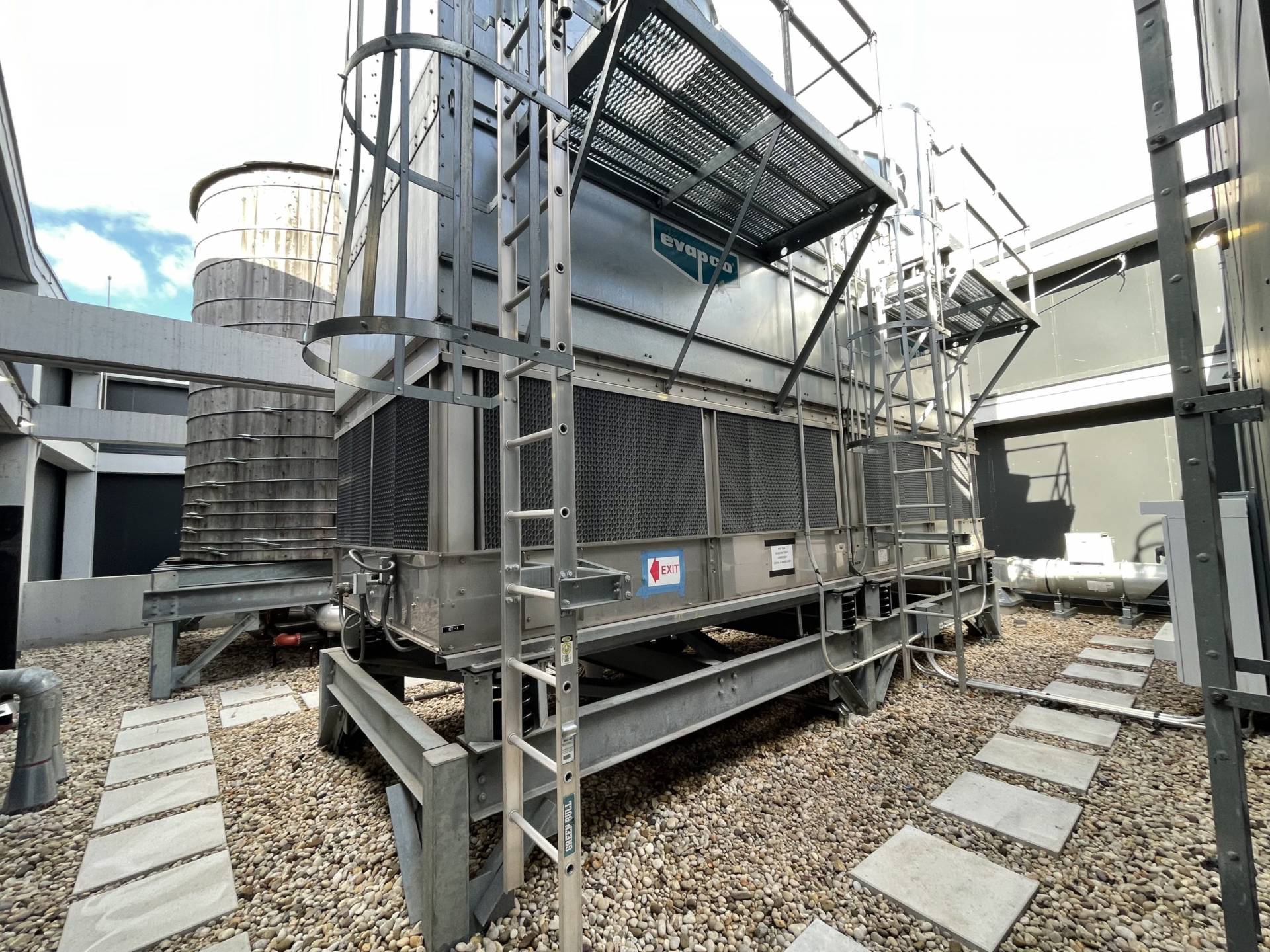
Large HVAC systems → Crossflow cooling tower
High heat-load industrial processes → Counterflow cooling tower
Limited installation space → Counterflow cooling tower
Energy-conscious facilities → Crossflow cooling tower
Choosing the right manufacturer is just as important as choosing the right design. Mach Cooling (https://www.machcooling.com/) offers both crossflow and counterflow cooling tower solutions engineered for high thermal efficiency, durability, and long service life.
Mach Cooling focuses on:
Optimized airflow design
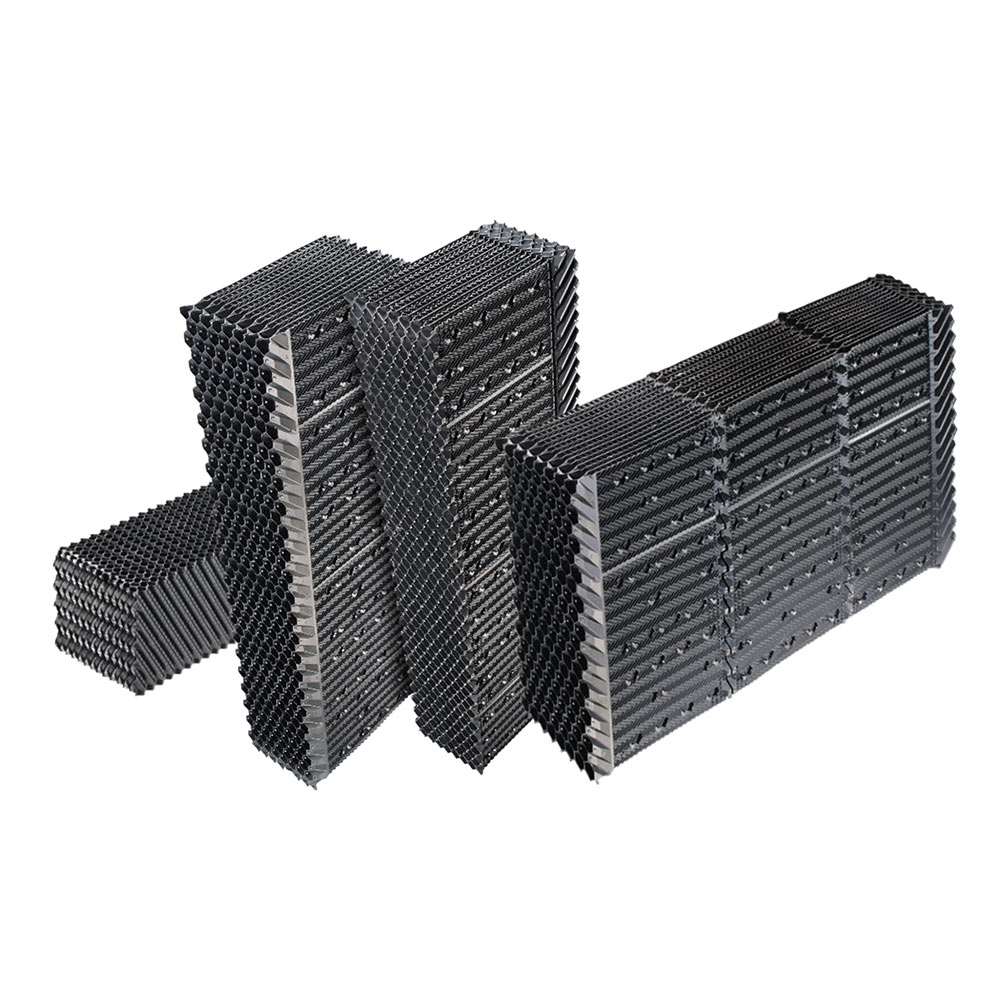
High-performance fill media
Energy-efficient fan systems
Reliable long-term thermal stability
This makes their cooling towers suitable for both standard and demanding industrial applications.
Before making a decision, ask yourself:
Do I need maximum thermal performance or lower energy consumption?
Is installation space limited?
What climate conditions will the tower operate in?
If thermal performance under heavy load is critical, counterflow is often the better choice. If efficiency, simplicity, and lower operating costs matter more, crossflow may be the smarter option.
The future of cooling tower design is moving toward:
Hybrid crossflow–counterflow systems
Smart fan control and automation
Advanced fill materials for higher heat transfer efficiency
Manufacturers like Mach Cooling are already adopting these innovations to meet evolving market demands.
So, when comparing crossflow vs counterflow cooling tower thermal performance, there is no one-size-fits-all answer. Counterflow cooling towers deliver higher peak thermal efficiency, while crossflow cooling towers offer balanced performance with lower energy consumption and easier maintenance.
The best choice depends on your application, environment, and long-term operating goals. With a trusted manufacturer like Mach Cooling, either option can deliver reliable, efficient, and sustainable cooling performance.