We Provide Cooling Tower Solution

Views: 0 Author: Site Editor Publish Time: 2026-01-08 Origin: Site


Industrial cooling is entering a new era. As industries expand and global demand for energy, data, and manufacturing continues to grow, cooling systems are being pushed harder than ever before. At the same time, water scarcity, rising energy costs, and strict environmental regulations are forcing companies to rethink how they manage heat.
This is where closed circuit cooling towers are rapidly gaining attention. Once viewed as a specialized solution, they are now emerging as a key technology for sustainable cooling. With support from experienced manufacturers such as Mach Cooling (https://www.machcooling.com/), closed circuit cooling towers are shaping the future of efficient, reliable, and environmentally responsible cooling.
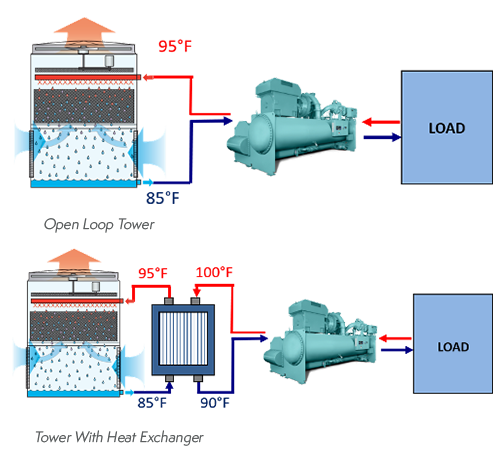
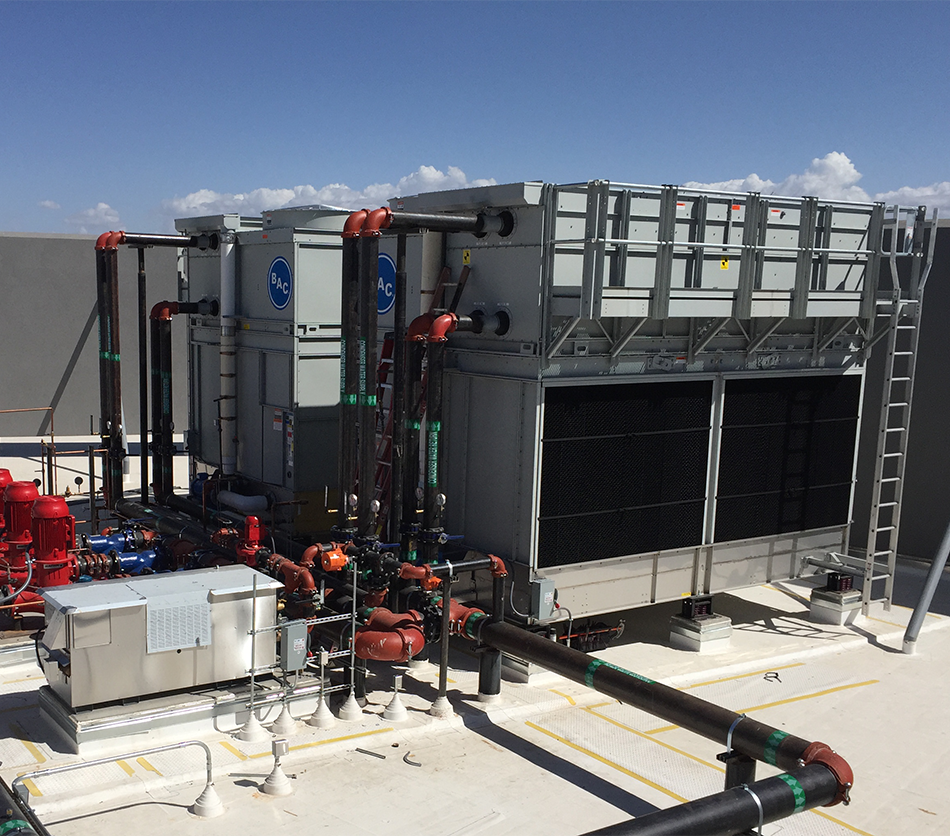
A closed circuit cooling tower, also known as a closed loop cooling tower, is designed to cool process fluid without exposing it directly to the outside environment. Unlike open cooling systems, the process fluid circulates inside a sealed coil, protected from contamination, scaling, and fouling.
The hot process fluid flows through a closed coil inside the tower. Spray water flows over the outside of the coil while air is drawn through the unit by fans. Heat is transferred from the process fluid to the spray water and then released into the atmosphere.
You can think of it like cooling a drink without opening the bottle—the contents stay clean, while heat still escapes efficiently.
A typical closed circuit cooling tower consists of:
Heat exchange coils
Spray water distribution system
High-efficiency fans
Drift eliminators
Basin and filtration system
Each component is engineered to balance performance, durability, and sustainability.
Cooling systems can account for a significant portion of a facility’s total energy consumption. As electricity prices rise and carbon reduction targets become stricter, inefficient cooling is no longer acceptable.
Water is becoming one of the most critical resources worldwide. Cooling technologies that reduce water consumption are now essential for long-term industrial planning, especially in water-stressed regions.
Closed circuit cooling towers address both energy and water challenges in a single, elegant design.
By keeping process fluid inside a sealed coil, closed circuit systems prevent direct contact with air and contaminants. This dramatically reduces scaling, corrosion, and biological growth inside the system.
Cleaner fluid means fewer deposits, more stable heat transfer, and extended service life for downstream equipment such as heat exchangers, chillers, and molds.
In simple terms, it’s like switching from dusty open roads to a clean highway—everything runs smoother and lasts longer.
Modern closed circuit cooling towers feature optimized coil geometry and airflow paths to maximize heat transfer while minimizing fan energy.
Through advanced modeling and testing, manufacturers can fine-tune fan blade angles, coil spacing, and air distribution. The result is higher cooling capacity with lower power consumption.

Because the process fluid is sealed, closed circuit cooling towers typically require less makeup water, especially in dirty or dusty environments where open systems suffer heavy losses.
Cleaner operating conditions reduce the need for aggressive chemical treatment, lowering operating costs and environmental impact at the same time.
The future of closed circuit cooling towers is not just mechanical—it’s digital. Sensors and control systems are increasingly used to monitor:
Water temperatures
Flow rates
Fan energy consumption
System efficiency trends
With real-time data, operators can optimize performance, predict maintenance needs, and avoid unexpected downtime.

Large commercial buildings are adopting closed circuit cooling towers for HVAC systems due to their cleanliness, stability, and reduced maintenance requirements.
From plastics and chemicals to metal processing, closed circuit systems deliver consistent cooling performance while protecting sensitive process equipment.
In data centers, where downtime is unacceptable, closed circuit cooling towers provide precise temperature control and high reliability—making them a natural fit for mission-critical environments.
Mach Cooling (https://www.machcooling.com/) plays an active role in shaping the future of closed circuit cooling towers by focusing on:
High-efficiency coil and airflow design
Corrosion-resistant materials
Easy maintenance and long service life
Their approach combines performance, sustainability, and reliability into a single cooling solution.
Closed circuit cooling towers typically involve higher initial investment and require careful system design. However, advances in modular construction, materials, and control technology continue to reduce these barriers year by year.
When viewed over the full lifecycle, the benefits far outweigh the upfront costs.
From an economic perspective, closed circuit cooling towers deliver:
Lower energy and water costs
Reduced maintenance and downtime
Extended equipment lifespan
From an ESG perspective, they help organizations meet sustainability targets by lowering carbon emissions, conserving water, and improving operational efficiency.
The future of closed circuit cooling towers in sustainable cooling is not just promising—it is inevitable. As industries face mounting pressure to cool more with fewer resources, closed circuit systems offer a smart, balanced, and future-ready solution.
With experienced manufacturers like Mach Cooling leading innovation and engineering excellence, closed circuit cooling towers are set to become a cornerstone of sustainable industrial and commercial cooling worldwide.
The future of cooling is cleaner, smarter, and more efficient—and it’s closed circuit.