We Provide Cooling Tower Solution

Views: 0 Author: Site Editor Publish Time: 2026-01-16 Origin: Site


Designing a cooling tower is not a guessing game. It’s a careful balance of heat transfer, airflow, water distribution, structural integrity, and long-term reliability. Behind nearly every well-designed cooling tower, you’ll find one quiet but powerful influence: Cooling Tower Institute (CTI) guidelines.
These guidelines don’t tell engineers exactly what to build—but they strongly shape how cooling towers are designed, tested, and evaluated worldwide. In this article, we’ll explore how Cooling Tower Institute guidelines influence cooling tower design, and why they matter to engineers, manufacturers, and end users alike.
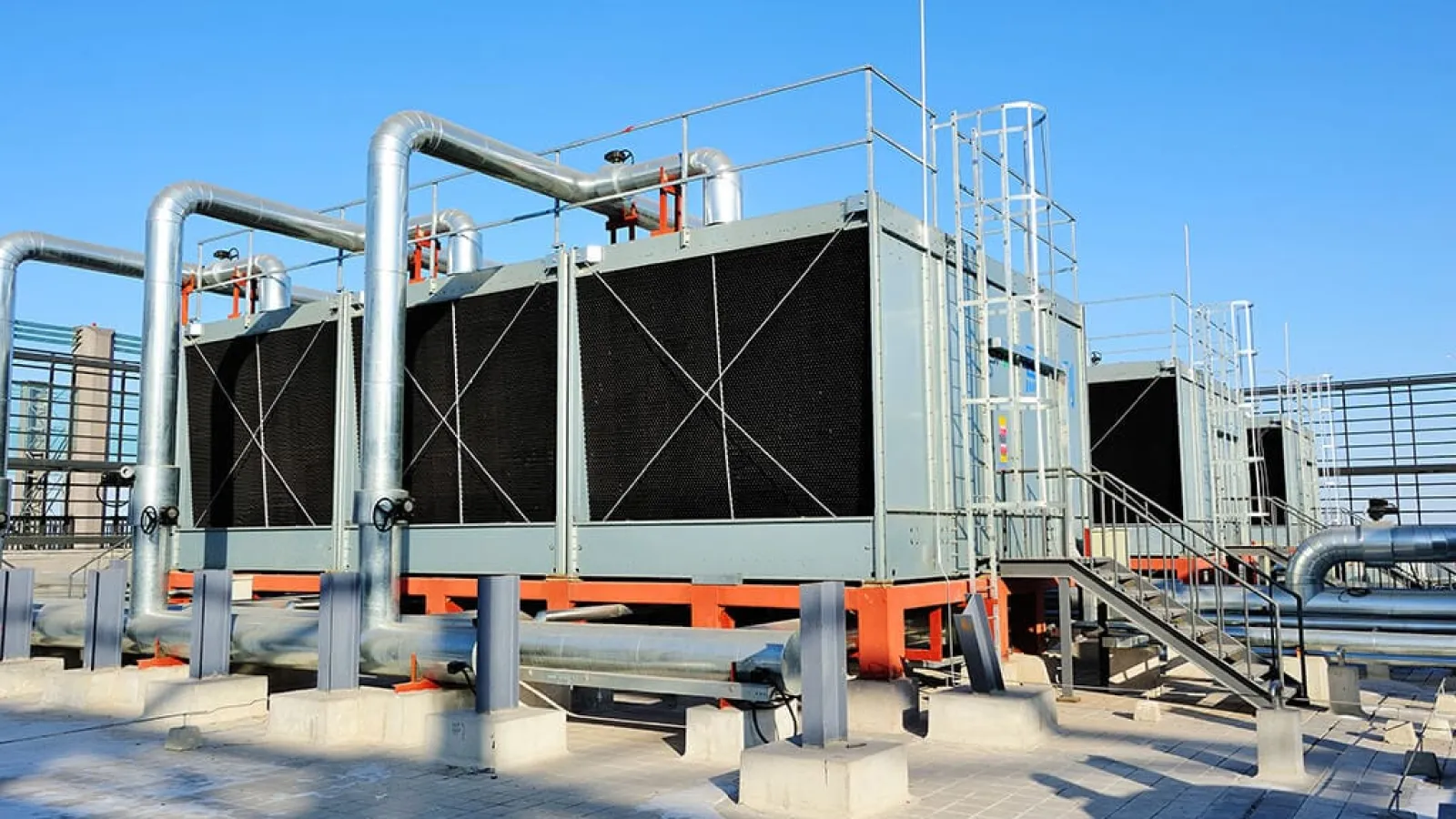
Think of CTI guidelines as the “grammar rules” of cooling tower engineering. You can be creative, but if you ignore the rules, the message falls apart.
CTI guidelines provide a common technical language for thermal performance, airflow, water distribution, and testing. They help ensure that when a cooling tower is designed, built, and specified, its performance claims are realistic and verifiable—not optimistic guesses.
The Cooling Tower Institute (CTI) is an independent, nonprofit organization focused on advancing cooling tower technology through research, testing, education, and standardization.
CTI serves as a neutral authority in an industry filled with complex variables. By establishing consistent testing and evaluation methods, CTI allows engineers and buyers to compare cooling tower performance fairly across different manufacturers and designs.
Without CTI guidelines, each engineer might define performance conditions differently. CTI brings consistency—helping engineers design systems that meet expectations not just on paper, but in real operation.
CTI does not issue a single universal “design code.” Instead, its influence comes from a collection of guidelines, test codes, and certification programs that guide engineering decisions.
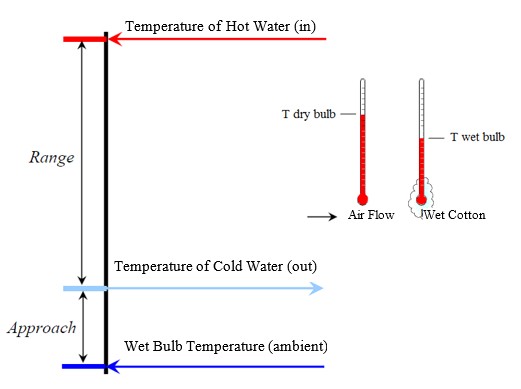
CTI defines how cooling capacity, range, approach, and heat load should be evaluated. These rules directly affect tower size, fill selection, airflow requirements, and energy consumption.
While CTI is not a structural authority, its recommendations influence fan design, vibration limits, operational stability, and safe performance margins.
Thermal performance is the core purpose of a cooling tower—and CTI has its strongest influence here.
CTI standardizes how engineers define and calculate:
Heat rejection load
Cooling range
Approach to wet-bulb temperature
This prevents exaggerated performance claims and ensures thermal ratings can be independently verified.
A tighter approach improves cooling efficiency but increases tower size and cost. CTI guidelines help engineers find the sweet spot—avoiding both overdesign and underperformance.
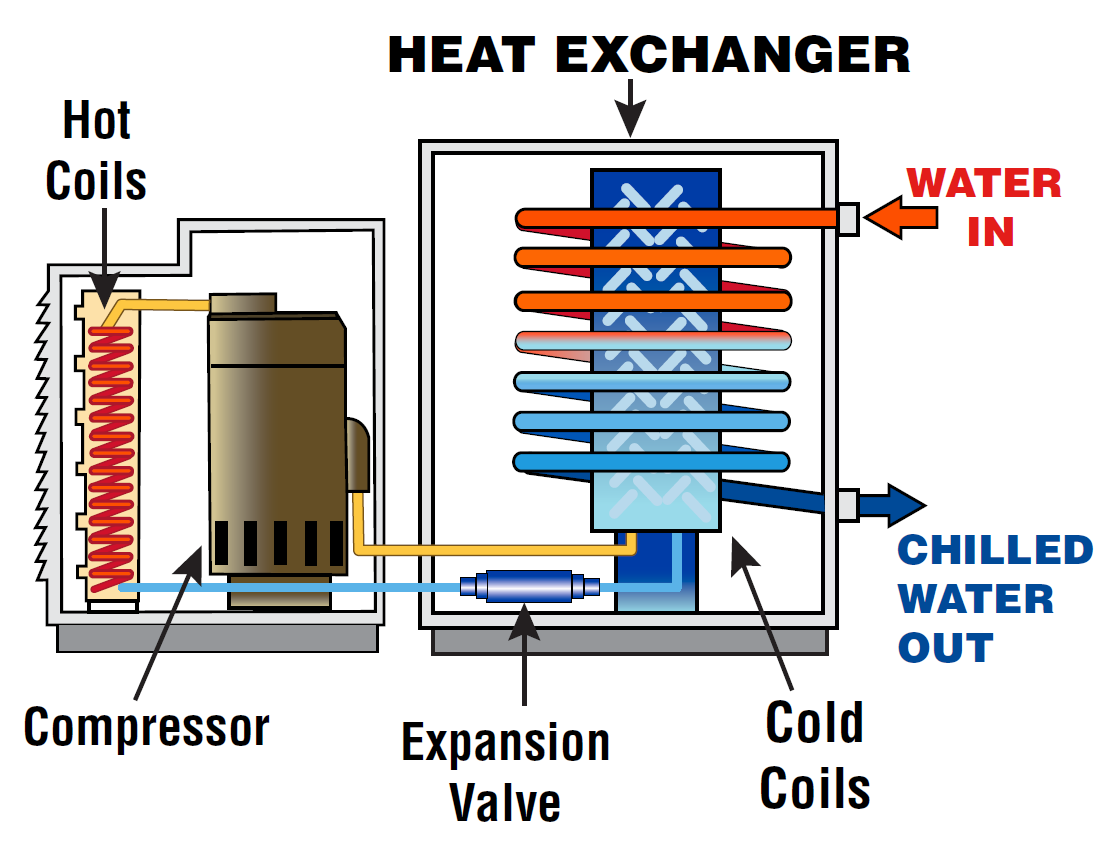
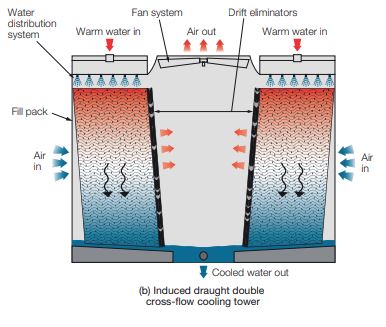
Airflow is the engine that drives evaporative cooling. CTI research strongly influences how that airflow is designed and controlled.
CTI testing data helps engineers understand when induced draft designs offer better performance and airflow stability compared to forced draft configurations.
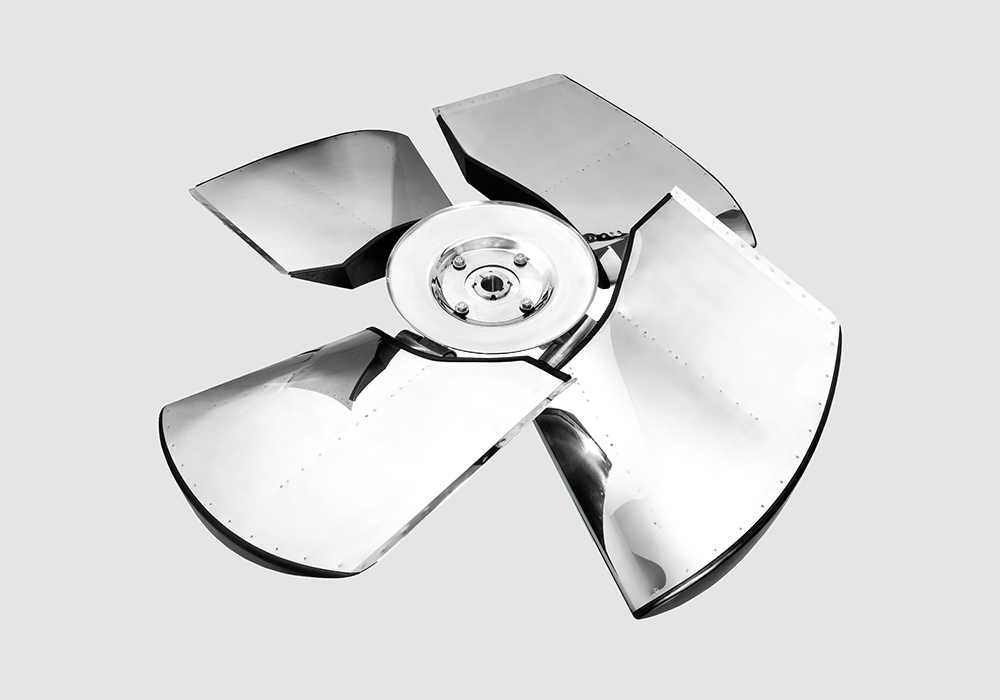
CTI guidance affects fan diameter, tip speed, airflow uniformity, and discharge velocity—helping designers achieve efficient cooling without excessive energy use or noise.
Even the best airflow can’t compensate for poor water distribution.
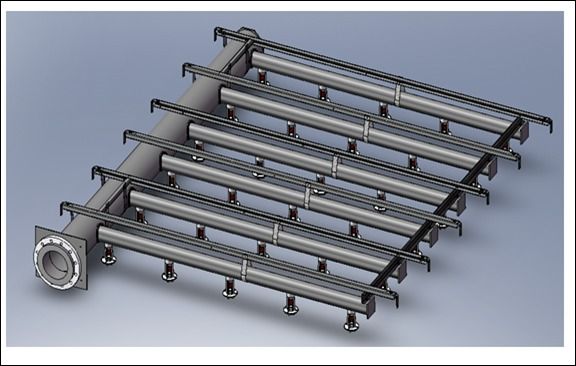
CTI guidelines influence nozzle spacing, spray pressure, and fill loading rates to ensure uniform wetting. Proper water distribution maximizes heat transfer and prevents dry spots that reduce efficiency.
CTI research has played a major role in improving drift eliminator designs, helping reduce water loss and environmental impact without compromising performance.
Although CTI does not replace building codes, it influences how designers think about durability and service life.
CTI publications highlight how materials behave in hot, wet, and chemically aggressive environments. This guidance helps engineers choose between FRP, stainless steel, galvanized steel, and composite materials.
By referencing CTI performance data, manufacturers design cooling towers with safety margins that support stable operation over many years—not just during initial commissioning.
Noise is often overlooked during design—until complaints arise. CTI sound testing methods influence fan selection, discharge design, and acoustic treatments, especially for HVAC systems in urban environments.

CTI guidelines are not theoretical—they shape real-world cooling tower installations every day.
In industrial plants, CTI-driven designs ensure predictable performance under continuous operation, variable loads, and harsh conditions.
For commercial buildings, CTI guidelines help balance efficiency, footprint, noise, and cost—often under tight space constraints.
At Mach Cooling, CTI guidelines are treated as a design foundation rather than a final checklist. From early thermal calculations to airflow modeling and component selection, CTI principles guide every stage of cooling tower engineering.
By aligning designs with CTI-referenced performance methodologies, Mach Cooling delivers cooling towers that perform reliably under real operating conditions—not just test scenarios.
https://www.machcooling.com/
A frequent misconception is that CTI dictates exact designs. In reality, CTI guides design. Engineers still apply judgment and creativity—but CTI provides a proven roadmap that reduces risk.
Cooling Tower Institute guidelines quietly influence nearly every aspect of modern cooling tower design—from thermal sizing and airflow to water distribution, materials, and noise control.
By providing standardized, research-backed guidance, CTI helps ensure cooling towers perform as promised. When manufacturers like Mach Cooling integrate CTI principles into their engineering process, the result is greater reliability, predictable performance, and long-term confidence.
In cooling tower design, following CTI guidelines isn’t about compliance—it’s about trust.