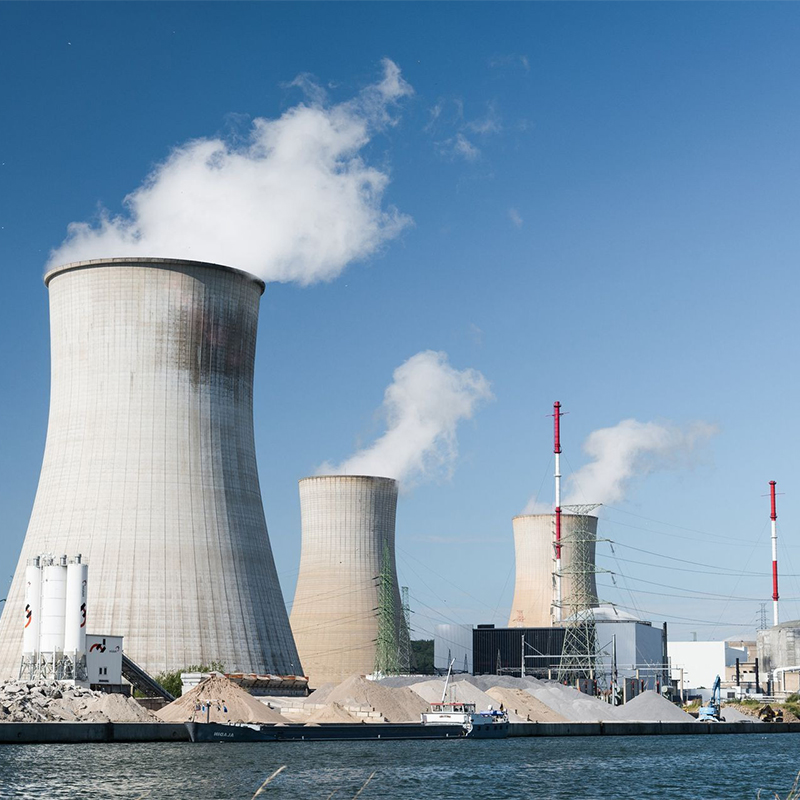
We Provide Cooling Tower Solution

Views: 0 Author: Site Editor Publish Time: 2026-01-20 Origin: Site


Cooling towers are everywhere in modern industry, yet very few people truly understand how they work. From power plants and refineries to commercial HVAC systems, cooling towers quietly remove excess heat and keep operations running safely and efficiently.
So, how does a cooling tower work?
Let’s break it down in plain English—no complicated formulas, no confusing jargon—just a clear, practical explanation you can actually use.
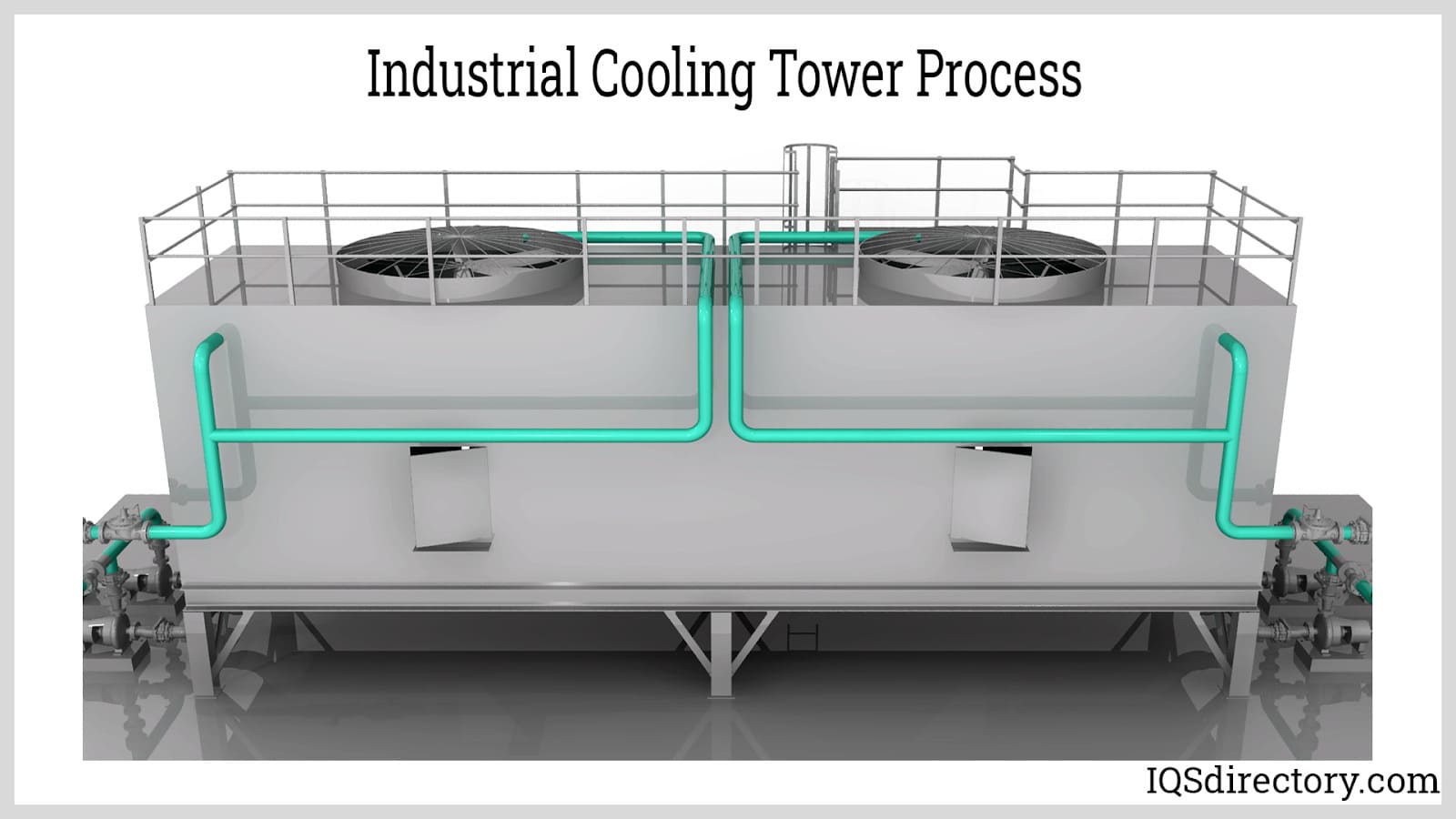
A cooling tower is a heat rejection device that removes unwanted heat from water by transferring it to the atmosphere. It does this primarily through evaporation, assisted by airflow and smart internal design.
Think of a cooling tower like human sweating. When sweat evaporates from your skin, it cools your body. A cooling tower works the same way—just on an industrial scale.
Industrial systems generate massive amounts of heat. If that heat isn’t removed efficiently, equipment performance drops, energy consumption rises, and system failures become inevitable.
Cooling towers are essential for:
Power generation
Chemical and petrochemical processing
Oil and gas facilities
Steel and cement plants
Large HVAC systems
Manufacturing and process cooling
Without cooling towers, modern industry simply wouldn’t function.
At its core, the cooling tower working principle is simple:
Hot water goes in → heat is released → cooled water comes out
But what makes it effective is how that heat is released.
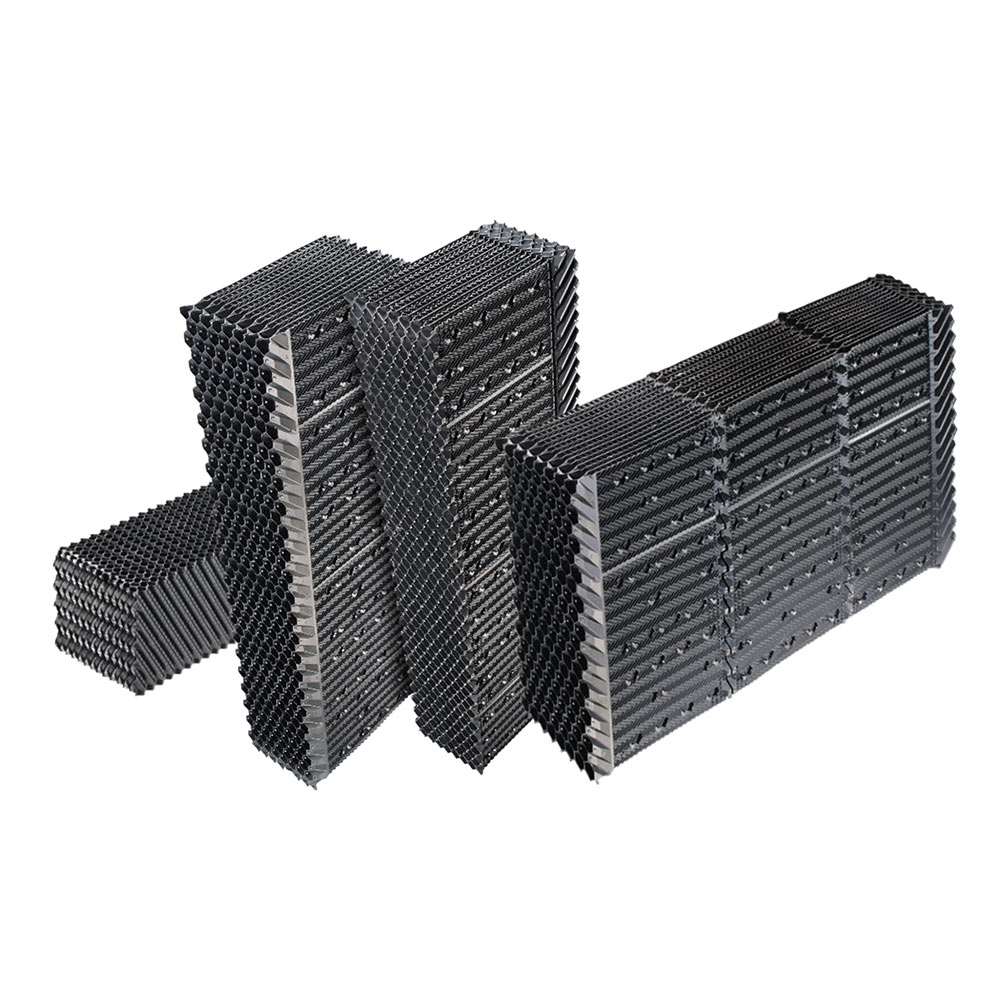
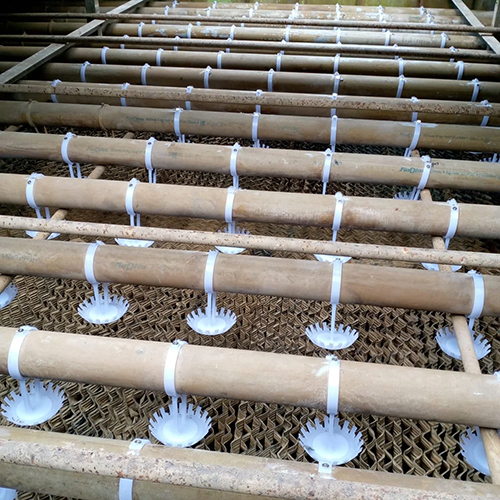
Hot process water enters the cooling tower and is distributed over internal surfaces called fill media. At the same time, air flows through the tower—either upward or sideways—depending on the design.
When air comes into contact with warm water, heat transfers from the water to the air.
Here’s the key detail:
When a small portion of the water evaporates, it absorbs a large amount of heat. This evaporation cools the remaining water, which is then collected and reused in the process.
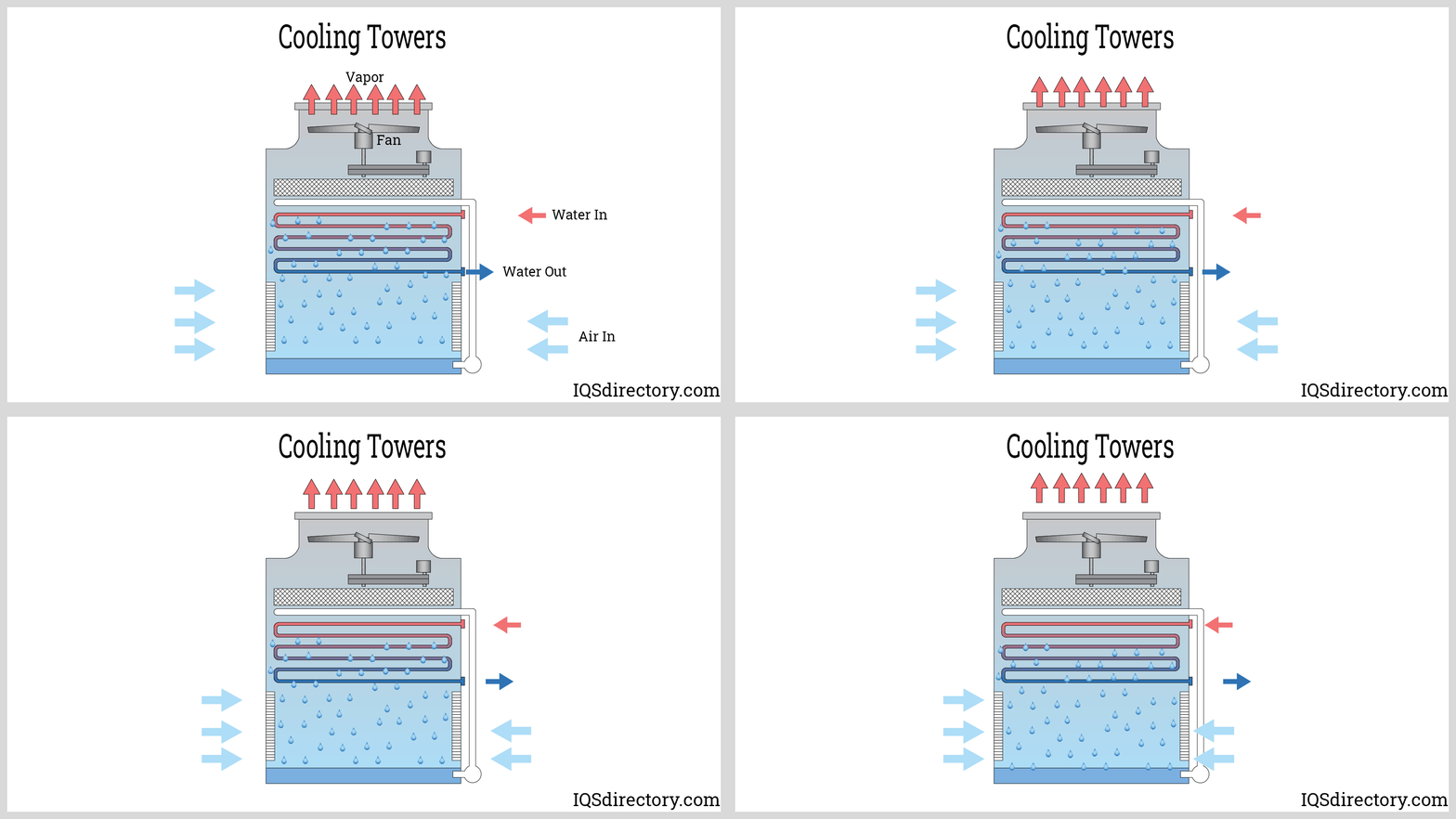
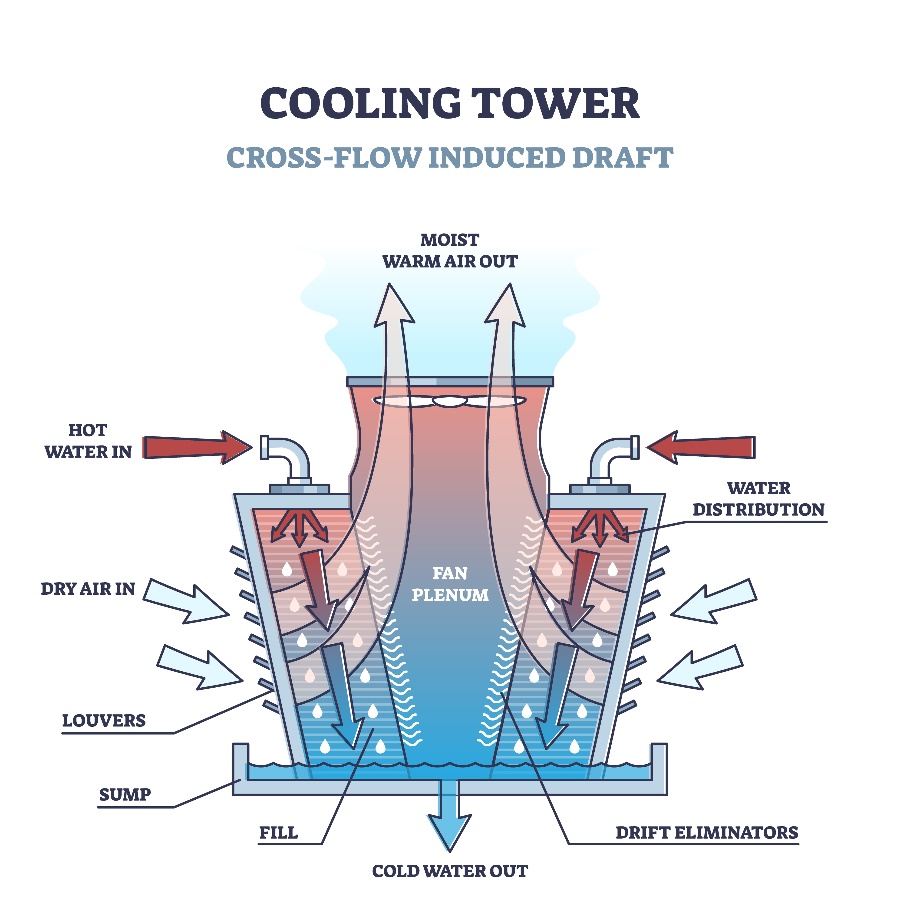
To fully understand how a cooling tower works, you need to know its main components.
Fill media increases the surface area where water and air interact. More contact means better heat transfer and higher efficiency.
Drift eliminators capture water droplets before they escape with the exhaust air. This reduces water loss, protects the environment, and improves operating efficiency.
Fans move air through the tower. Depending on the design, they either push air in or pull air out, ensuring continuous heat removal.
Once the water is cooled, it collects in the cold water basin at the bottom of the tower, ready to be pumped back into the system.
Not all cooling towers operate the same way. Different designs suit different applications.
These towers use fans at the top to pull air upward through the system. They offer high efficiency and stable performance, making them the most common choice.
Fans are located at the air inlet and push air into the tower. While simpler in design, they are more sensitive to airflow recirculation.
In crossflow towers, air flows horizontally across falling water. These systems operate with lower pump head and allow easier maintenance access.
In counterflow designs, air moves upward against falling water. This configuration provides excellent thermal performance in a compact footprint.
Let’s walk through the cooling process step by step:
Hot process water enters the cooling tower
Water is evenly distributed over the fill media
Air flows through the tower
A small portion of water evaporates
Heat is transferred to the air
Cooled water collects in the basin
Water is recirculated back into the system
Simple, reliable, and extremely effective.
Cooling towers naturally lose some water during operation. Understanding these losses helps control operating costs.
This is necessary and unavoidable—it’s how cooling happens.
Tiny water droplets carried out with the exhaust air. High-quality drift eliminators minimize this loss.
Water discharged intentionally to control mineral concentration and maintain proper water chemistry.
Several variables influence how efficiently a cooling tower works:
Ambient wet-bulb temperature
Airflow rate and fan performance
Water distribution quality
Fill condition and cleanliness
Water chemistry and treatment
Even small issues in one area can reduce overall system efficiency.
Like any mechanical system, cooling towers require proper operation and maintenance. Common issues include:
Scaling and fouling
Biological growth
Fan vibration or imbalance
Uneven water distribution
Preventive maintenance and good design eliminate most of these problems before they become serious.
Modern cooling towers are designed with energy efficiency in mind. Variable-speed fans, optimized fill geometry, and intelligent control systems allow operators to reduce energy consumption without sacrificing cooling capacity.
Manufacturers such as Mach Cooling integrate these technologies to deliver reliable, long-term performance across a wide range of industrial conditions.
Cooling towers are used in nearly every industrial sector, including:
Power plants
Oil and gas facilities
Chemical processing plants
HVAC systems for large buildings
Steel, cement, and mining industries
Wherever heat exists, cooling towers are working behind the scenes.

Choosing the right cooling tower manufacturer is just as important as understanding how a cooling tower works.
Mach Cooling (https://www.machcooling.com/) specializes in engineered cooling tower solutions designed for durability, efficiency, and global industrial standards.
Mach Cooling offers:
Advanced thermal design
High-efficiency fill and drift eliminators
Reliable fan and drive systems
Customized solutions for diverse applications
Their focus on quality engineering ensures stable performance and long service life.
So, how does a cooling tower work?
By combining evaporation, airflow, and smart engineering, cooling towers efficiently remove heat and protect critical industrial systems.
Whether you’re designing a new plant or upgrading an existing facility, understanding cooling tower operation—and partnering with an experienced manufacturer like Mach Cooling—ensures reliable, efficient, and sustainable cooling performance for years to come.