We Provide Cooling Tower Solution

Views: 0 Author: Site Editor Publish Time: 2026-01-16 Origin: Site


Cooling towers are the unsung heroes of industrial and commercial systems. They quietly remove heat, regulate temperatures, and support countless processes—but the heart of every tower is its media, the material that maximizes heat transfer between water and air.
When selecting tower media, engineers often face a choice between film fill and splash fill. Which one is right for your application? That’s exactly what we’ll break down in this article. We’ll cover structures, advantages, limitations, maintenance, applications, and why companies like Mach Cooling invest heavily in media optimization.
Think of cooling tower media as the stage where water and air perform their heat exchange “dance.” The media increases the contact area, slows water flow, and improves heat rejection efficiency. Without high-quality media, even the most powerful fans and pumps can’t achieve design temperatures.

Choosing the wrong media is more than a minor inconvenience. It affects:
Media type determines how effectively water gives up heat to air. Poor selection can reduce cooling capacity by 10–20% or more.
Airflow resistance differs between media types. Improper media can increase fan energy consumption and reduce system efficiency.
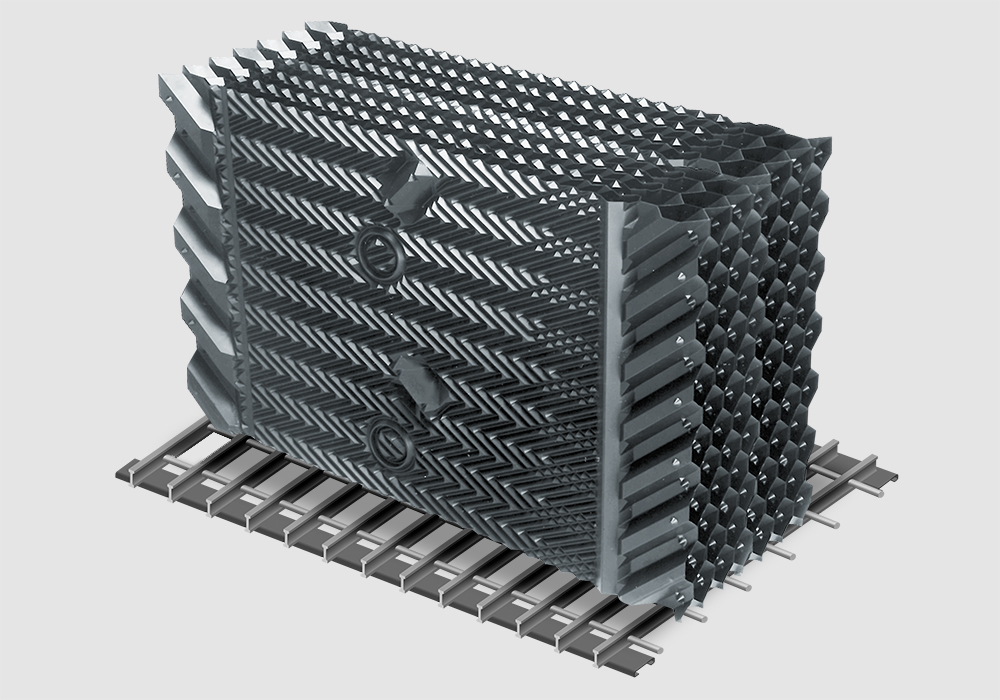
Film fill is a modern, high-efficiency cooling tower media that allows water to spread into thin sheets or “films.”
Often made from PVC or other corrosion-resistant polymers
Sheets arranged vertically or in a chevron pattern
Maximizes surface area for water-air contact
Water flows as a thin layer over multiple sheets, forming a continuous “film.” This increases heat transfer and reduces resistance to airflow.
High thermal efficiency
Compact design for smaller footprint
Low water pressure drop
Sensitive to fouling or scale buildup
Requires filtered water in industrial settings
Maintenance is critical to preserve performance


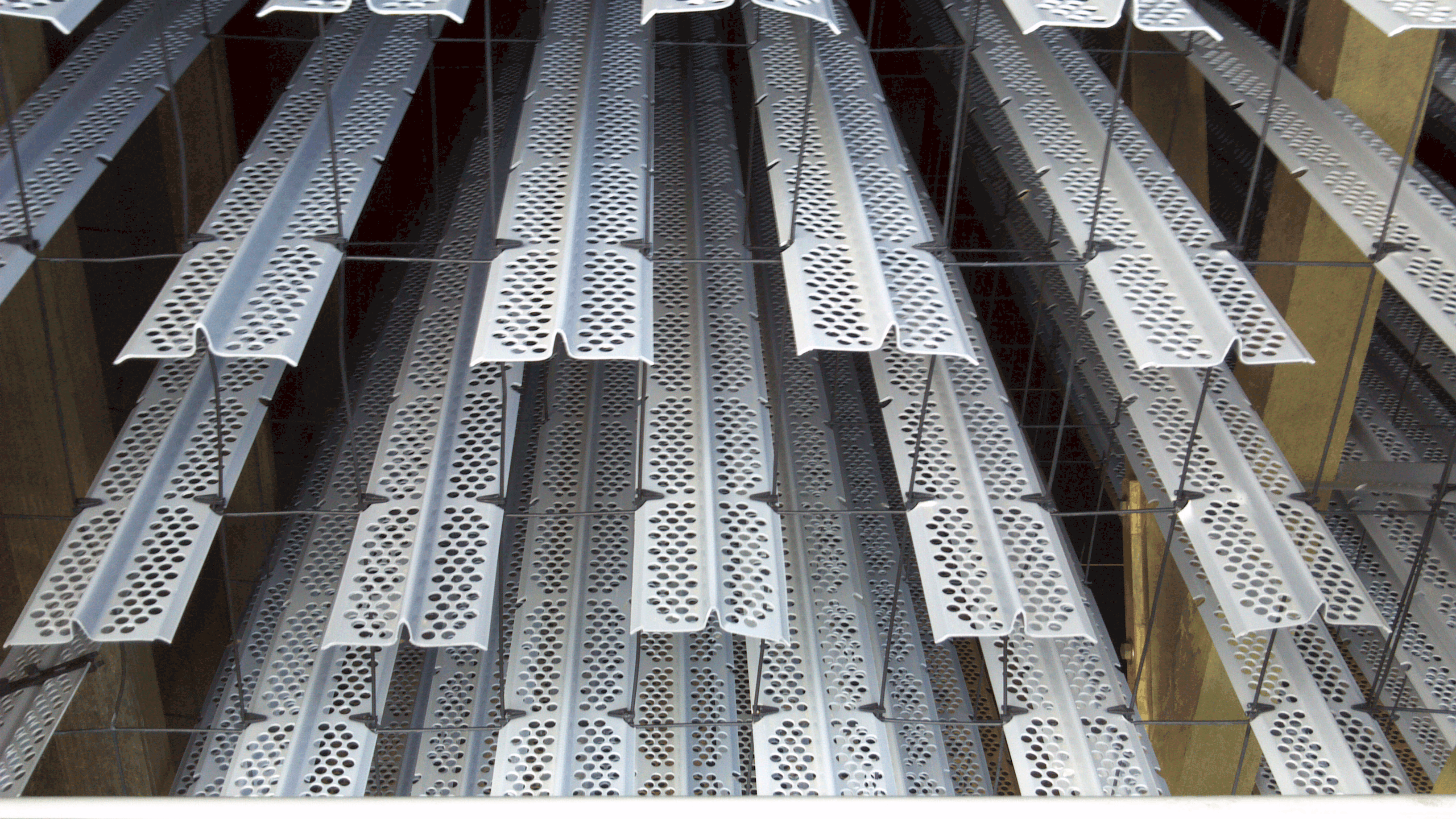
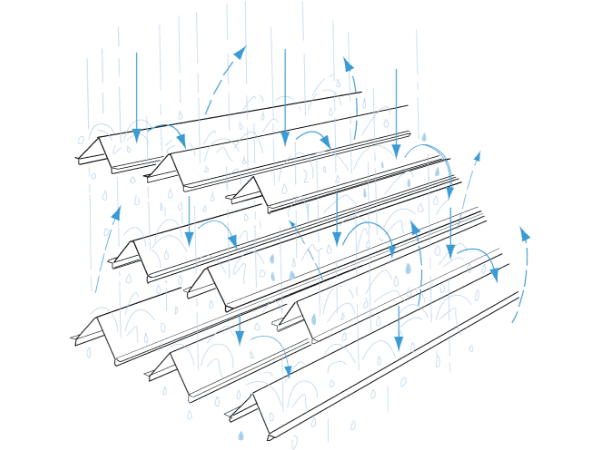
Splash fill is the traditional media type where water is broken into droplets as it flows downward through layers of splash bars.
Typically made from PVC or wood
Bars or blocks stacked horizontally to “splash” water
Creates turbulence to maximize contact with air
Water hits bars or blocks, breaking into smaller droplets. This splashing action increases the water-air interface for heat transfer.
Handles poor water quality better
More resistant to fouling or scale
Lower maintenance in harsh industrial environments
Lower thermal efficiency than film fill
Larger footprint required for same cooling capacity
Higher airflow resistance increases fan energy consumption

Film fill performs best with clean water. Splash fill tolerates high mineral content or dirty water, making it ideal for some industrial applications.
For maximum cooling performance in limited space, film fill is often preferred. Splash fill may suffice for moderate cooling requirements or older towers.
Film fill requires regular inspection, cleaning, and occasional replacement. Splash fill is more forgiving but less thermally efficient.
Film fill: higher upfront cost but smaller footprint and higher efficiency
Splash fill: lower initial cost but potentially higher operating cost due to fan power and larger size requirements
Film fill dominates HVAC and commercial towers due to space constraints and efficiency requirements.
Compact design allows rooftop installations without sacrificing cooling performance.
Splash fill often preferred in heavy-duty industrial applications with poor water quality or high fouling potential.
Robust construction tolerates harsh chemical environments.
Upgrading old splash fill towers with film fill can dramatically improve efficiency, reduce water consumption, and shrink tower footprint.
Modern modular media designs combine the robustness of splash fill with the efficiency of film fill, offering best-of-both-worlds performance.
At Mach Cooling, media selection is treated as a critical engineering decision, not an afterthought. Their towers integrate:
Application-specific airflow modeling
High-quality PVC film fill or hybrid media
Easy maintenance and long service life
This ensures predictable performance and lower operating costs.

Choosing film fill without considering water quality
Oversizing or undersizing the media volume
Ignoring maintenance requirements or cleaning protocols
These mistakes can undermine tower efficiency and increase long-term costs.
Choosing the right cooling tower media—film fill or splash fill—requires balancing water quality, thermal performance, maintenance, footprint, and cost.
Film fill is ideal for high-efficiency, compact applications, especially in commercial and HVAC settings. Splash fill remains a strong choice for industrial towers with challenging water conditions.
For optimal performance, working with an experienced manufacturer like Mach Cooling ensures media selection aligns with your operational goals, maximizing cooling efficiency while minimizing water and energy waste.