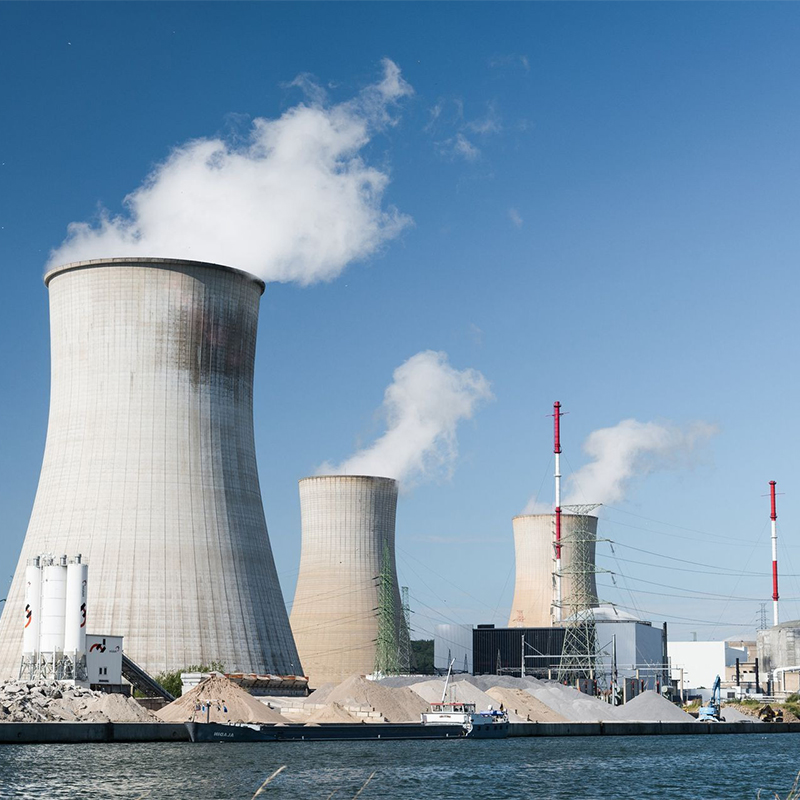
We Provide Cooling Tower Solution

Views: 0 Author: Site Editor Publish Time: 2026-01-15 Origin: Site


When people search for a cooling tower definition, one concept always stands at the center of the explanation: evaporative cooling. No matter how advanced the materials or how powerful the fans, a cooling tower ultimately relies on a simple natural principle—water evaporation removes heat.
Think of it like human sweat. When sweat evaporates from your skin, it carries heat away and cools you down. A cooling tower does the same thing, just on an industrial scale.

Evaporative cooling is a heat removal process that occurs when water changes from liquid to vapor. During evaporation, water absorbs a significant amount of heat energy, reducing the temperature of the remaining water.
Have you ever felt cold after stepping out of a pool on a breezy day? Even in warm weather, evaporation pulls heat from your body. Cooling towers apply this same physical law to remove heat from industrial processes, HVAC systems, and power plants.
A clear and practical cooling tower definition is:
A cooling tower is a heat rejection device that removes waste heat from circulating water through the process of evaporative cooling.
Without evaporation, a cooling tower would lose most of its efficiency. Evaporation allows a small portion of water to absorb and carry away a large amount of heat, making cooling towers both energy-efficient and cost-effective.
Evaporative cooling is rooted in basic thermodynamics.
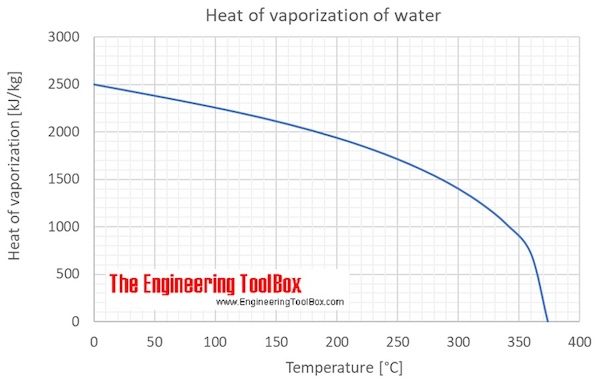
When water evaporates, it undergoes a phase change from liquid to vapor. This change requires energy, which is drawn from the surrounding water as heat.
Sensible heat changes temperature
Latent heat changes physical state
Cooling towers primarily rely on latent heat transfer, which is why they can reject large heat loads with relatively small water losses.

Evaporative cooling inside a cooling tower is carefully engineered for maximum efficiency.
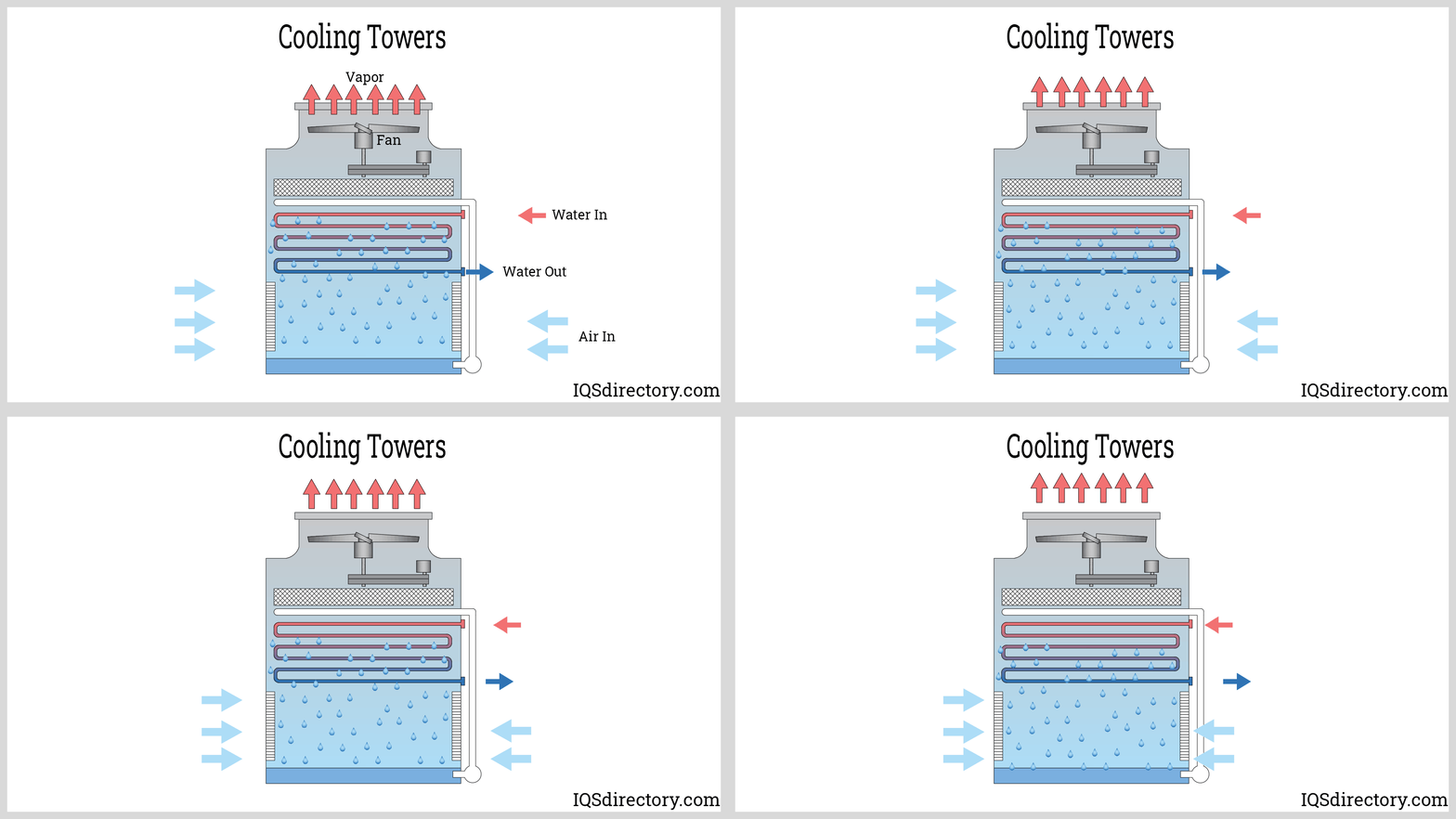
Hot water from the system enters the tower and is evenly distributed over the fill media, creating thin water films that increase surface area.
Fans move air through the falling water. As air contacts the warm water, a portion evaporates, removing heat and lowering the water temperature.
Heated water from chillers or industrial equipment enters the cooling tower at the top.
Water spreads across the fill while air flows upward or horizontally, maximizing evaporation.
Evaporated water carries heat into the air, while cooled water collects in the basin and returns to the system.
Different cooling tower designs apply the same evaporative principle.
Water is directly exposed to air. These are the most widely used cooling towers due to their high efficiency and simple design.
Process fluid circulates inside coils while evaporative cooling occurs externally, protecting sensitive systems from contamination.
Hybrid towers combine evaporative and dry cooling to reduce water consumption and visible plume formation.
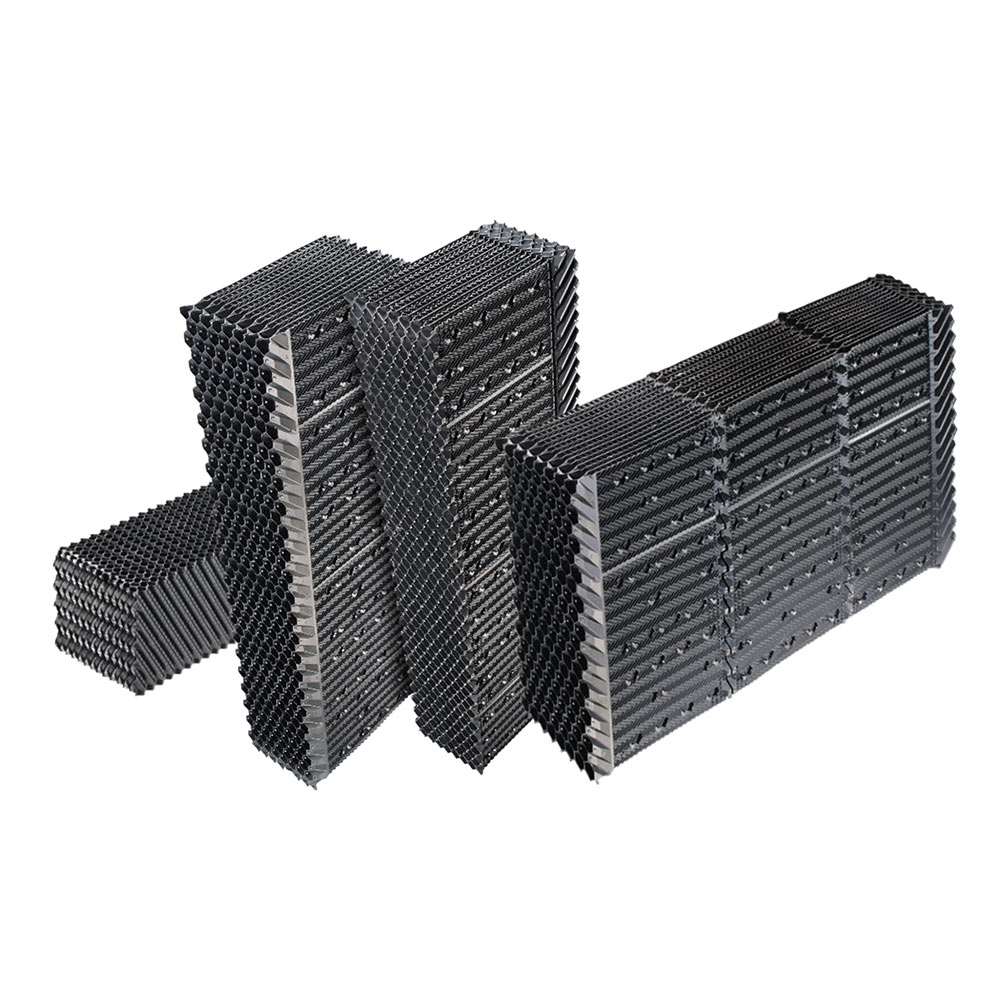
Fill increases the contact area between air and water, improving evaporation efficiency.
Fans control air velocity and distribution, directly influencing cooling performance.
Drift eliminators capture water droplets, reducing water loss and protecting the surrounding environment.
Wet-bulb temperature sets the theoretical limit of evaporative cooling. Lower wet-bulb temperatures allow better cooling performance.
Poor water quality leads to scaling, fouling, and reduced heat transfer efficiency.
Proper airflow distribution ensures uniform evaporation and stable system operation.
Evaporative cooling removes significantly more heat than air cooling while consuming less energy.
Dry cooling eliminates water use but requires larger equipment and higher power consumption.
High thermal efficiency
Lower operating costs
Proven reliability
Scalable for large industrial applications
It’s a balance of performance, economics, and sustainability.
Some believe evaporative cooling wastes water or only works in dry climates. In reality, modern cooling towers are engineered to minimize water loss and operate efficiently in a wide range of environmental conditions.
At MACH Cooling, evaporative cooling is the foundation of every cooling tower design. Through optimized fill structures, advanced airflow engineering, and durable materials, MACH Cooling delivers reliable and efficient cooling solutions for industrial and HVAC applications worldwide.
Learn more at https://www.machcooling.com/.
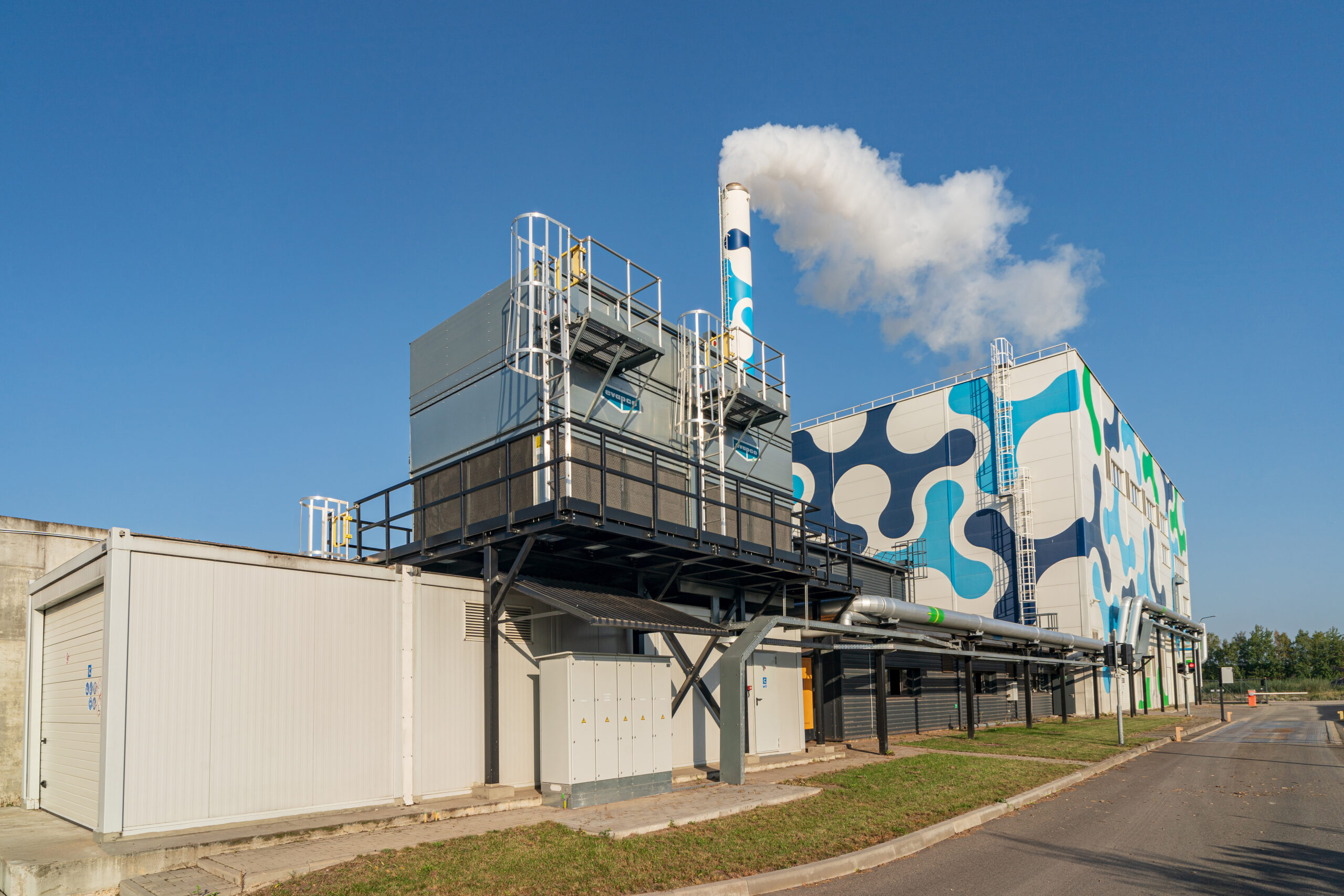
If you want to understand the true meaning behind a cooling tower definition, evaporative cooling is the answer. It is the science, the strategy, and the reason cooling towers remain one of the most effective heat rejection technologies in the world.
Master evaporation—and you master cooling tower performance.