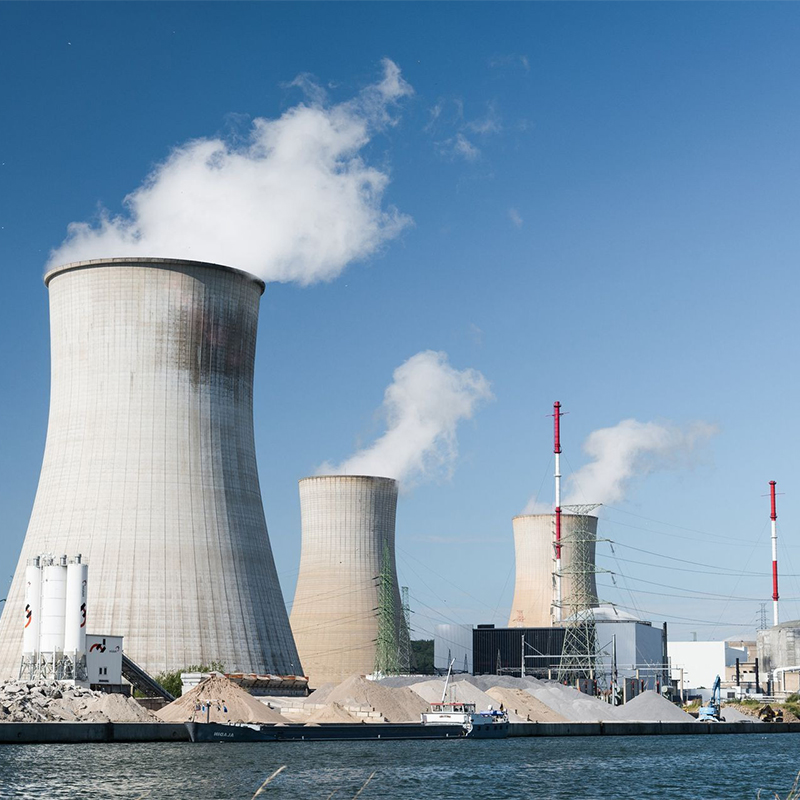
We Provide Cooling Tower Solution

Views: 0 Author: Site Editor Publish Time: 2026-01-19 Origin: Site


As global industries face increasing pressure to reduce water consumption and meet stricter environmental regulations, dry cooling towers are rapidly becoming a preferred cooling solution. Unlike traditional wet cooling systems, dry cooling towers rely on ambient air instead of water evaporation to remove heat—making them ideal for water-scarce regions and sustainable industrial operations.
In this article, we’ll explore how dry cooling towers work, their key advantages and limitations, and where they are most commonly applied.

A dry cooling tower is a heat rejection system that cools process fluids without consuming water. Heat is transferred through metal surfaces—usually finned tubes—and dissipated into the atmosphere by forced or induced airflow.
You can think of a dry cooling tower as an oversized industrial radiator. Just like the radiator in a car releases engine heat into the air, a dry cooling tower releases industrial process heat using air as the cooling medium.
The operating principle of a dry cooling tower is simple, reliable, and highly effective.
Hot process water or working fluid flows through heat exchanger coils made of steel, aluminum, or copper. As air passes over the surface of these coils, heat is transferred from the fluid to the air through conduction and convection.
High-efficiency fans move large volumes of ambient air across the heat exchanger surface. The heated air is then discharged into the atmosphere, completing the cooling cycle—without evaporation, drift, or plume formation.
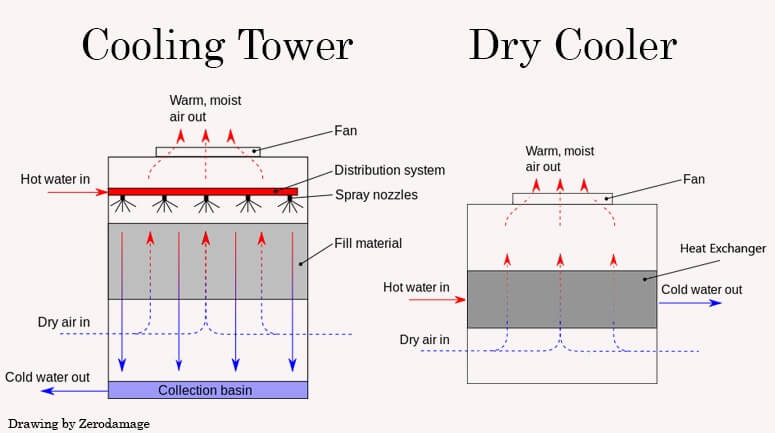
Every dry cooling tower is built around a few critical components:
These coils are the heart of the system. Finned designs maximize surface area, improving heat transfer efficiency even in high-temperature environments.
Axial or centrifugal fans ensure consistent airflow across the coils. Modern dry cooling towers use energy-efficient fan designs and variable frequency drives (VFDs) to reduce power consumption.
The structural frame supports the heat exchanger and fan system while protecting components from environmental exposure.
Dry cooling towers can be classified into two main types:
In direct systems, the process fluid flows directly through air-cooled heat exchangers. This design is simple, efficient, and widely used in industrial plants.
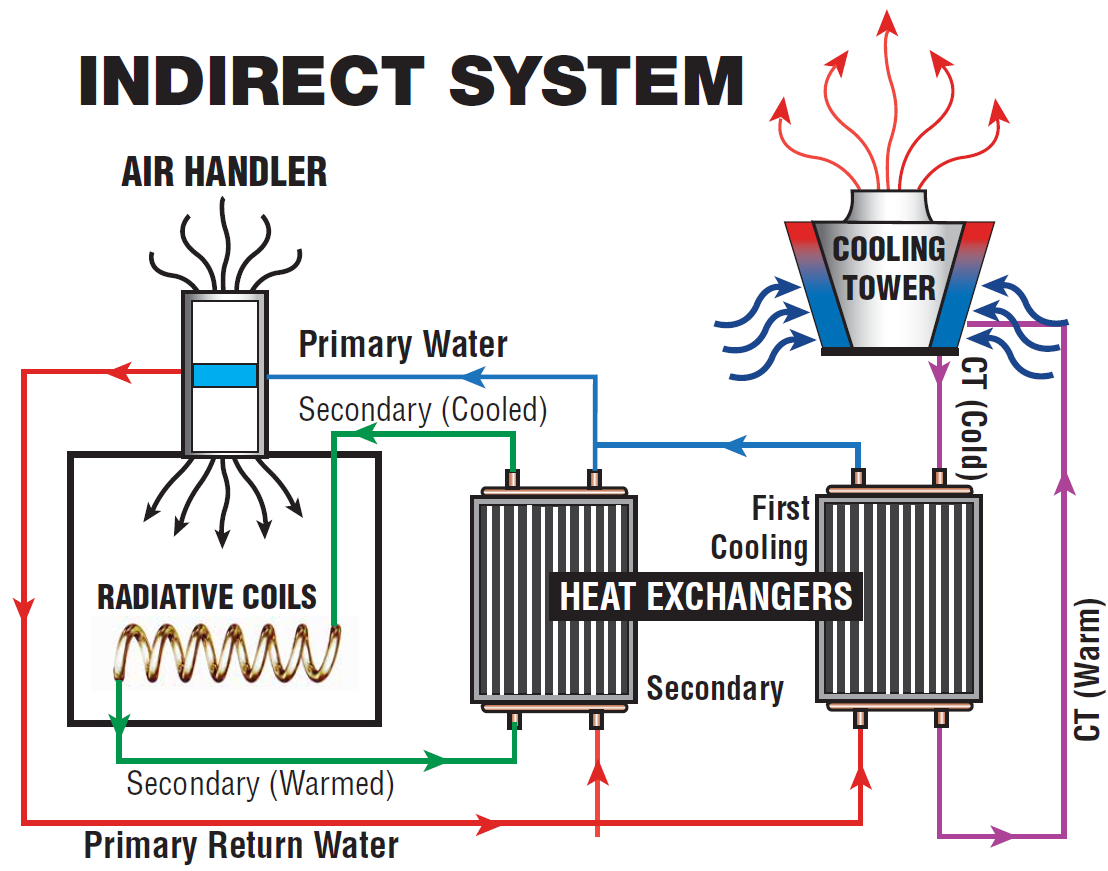
Indirect systems use a closed-loop heat exchanger, often combined with a secondary cooling circuit. These systems provide better isolation and flexibility for sensitive processes.
Choosing between dry and wet cooling towers depends on operational priorities.
Wet cooling towers rely on evaporation and consume large amounts of water. In contrast, dry cooling towers use nearly zero water, making them ideal for drought-prone regions.
Wet cooling towers typically achieve lower outlet temperatures, especially in hot climates. Dry cooling towers may have slightly reduced thermal performance but compensate with environmental and operational benefits.
The most obvious advantage is water conservation. Dry cooling towers eliminate evaporative losses, reducing operational costs and environmental impact.
With no drift, no plume, and no chemical discharge, dry cooling towers simplify environmental compliance and reduce air and water pollution.
Without water treatment systems, makeup water lines, or blowdown management, maintenance is simpler and more predictable.

Despite their advantages, dry cooling towers do have limitations:
Higher initial capital cost
Larger installation footprint
Performance depends on ambient air temperature
Understanding these factors helps engineers select the right cooling solution for each project.
Dry cooling towers are widely used in power plants located in arid or water-restricted regions, where water availability is limited.
These industries benefit from dry cooling’s closed-loop design, which enhances safety and reduces environmental risk.
Steel plants, cement factories, and chemical processing facilities increasingly adopt dry cooling systems to meet sustainability goals.
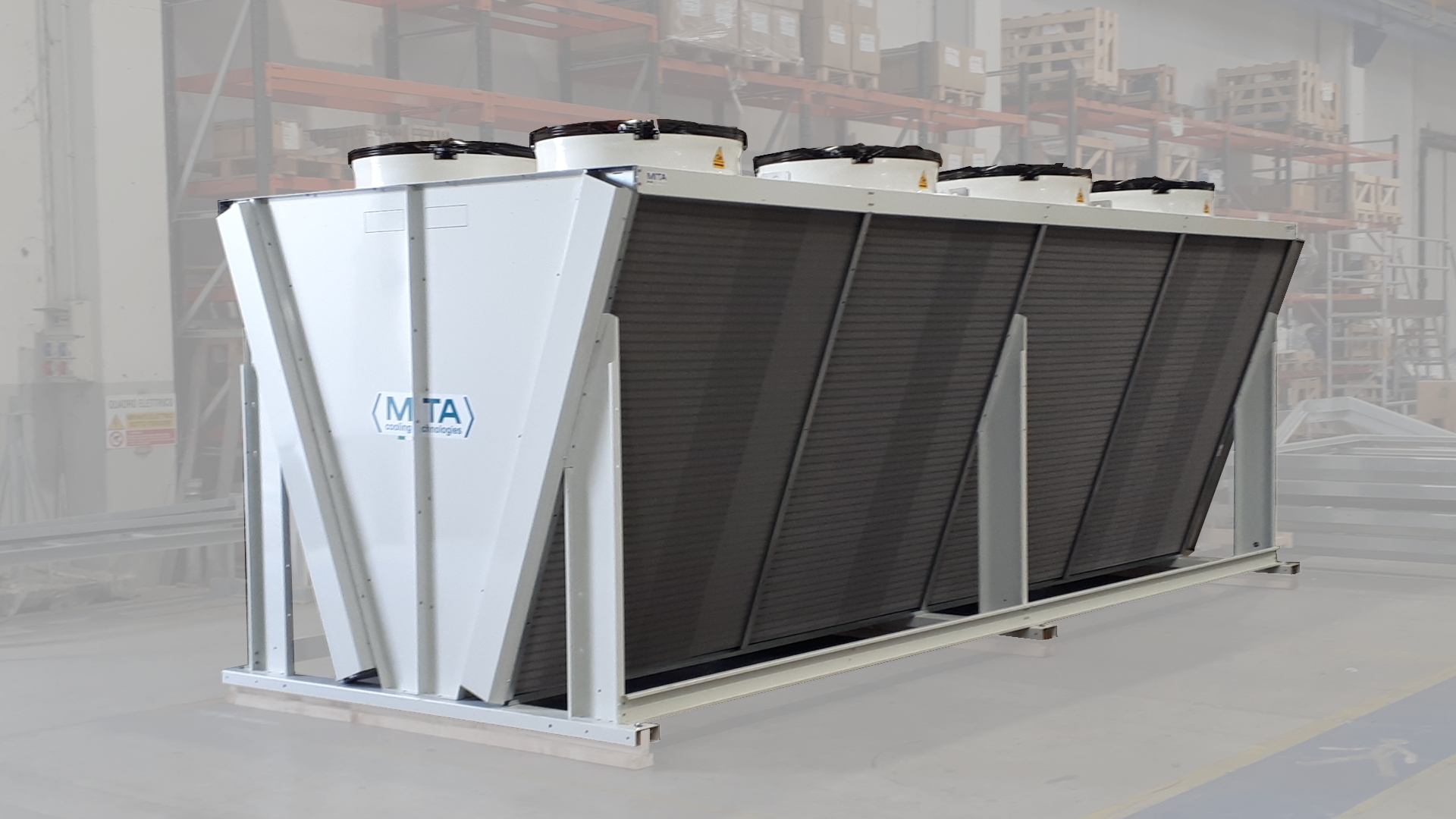
Dry cooling towers require routine inspection of fans, motors, and heat exchanger surfaces. Coil cleaning and airflow optimization are key to maintaining long-term efficiency. Compared to wet cooling towers, operational complexity is significantly reduced.
Choosing the right manufacturer is critical to system performance and longevity. Mach Cooling (https://www.machcooling.com/) specializes in high-quality dry cooling tower solutions designed for demanding industrial environments.
Mach Cooling dry cooling towers feature:
Optimized heat exchanger design
Energy-efficient fan systems
Robust structural construction
Long service life with minimal maintenance
Their engineering-focused approach ensures reliable performance and compliance with international standards.
As industries push toward sustainability, dry cooling technology continues to evolve. Emerging trends include hybrid dry–wet systems, advanced fin materials, and intelligent fan control systems that adapt to real-time operating conditions.
Manufacturers like Mach Cooling are at the forefront of these innovations.
A dry cooling tower is a smart, sustainable solution for industries seeking to reduce water consumption without compromising reliability. While they may require higher initial investment, the long-term benefits—water savings, environmental compliance, and simplified operation—make dry cooling towers an increasingly attractive choice.
With a trusted manufacturer like Mach Cooling, dry cooling technology becomes not just an alternative, but a strategic advantage for future-focused industrial operations.