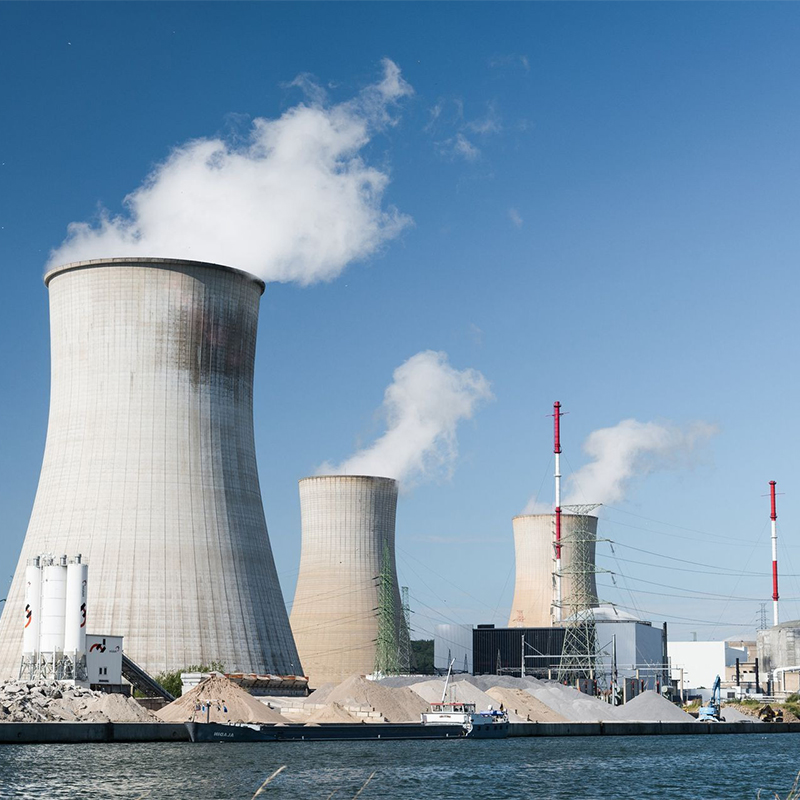
We Provide Cooling Tower Solution

Views: 0 Author: Site Editor Publish Time: 2026-01-16 Origin: Site


Cooling towers may look simple from the outside, but anyone who has worked with them knows they depend heavily on precise water management to operate efficiently. At the center of this control system is a small yet critical component—the cooling tower float valve.
Think of it as the automatic gatekeeper of your cooling tower’s water supply. When it works properly, everything runs smoothly. When it fails, problems follow fast. In this article, we’ll explore the different types of cooling tower float valves and their applications, explain how they work, and help you understand which option fits your cooling tower best.
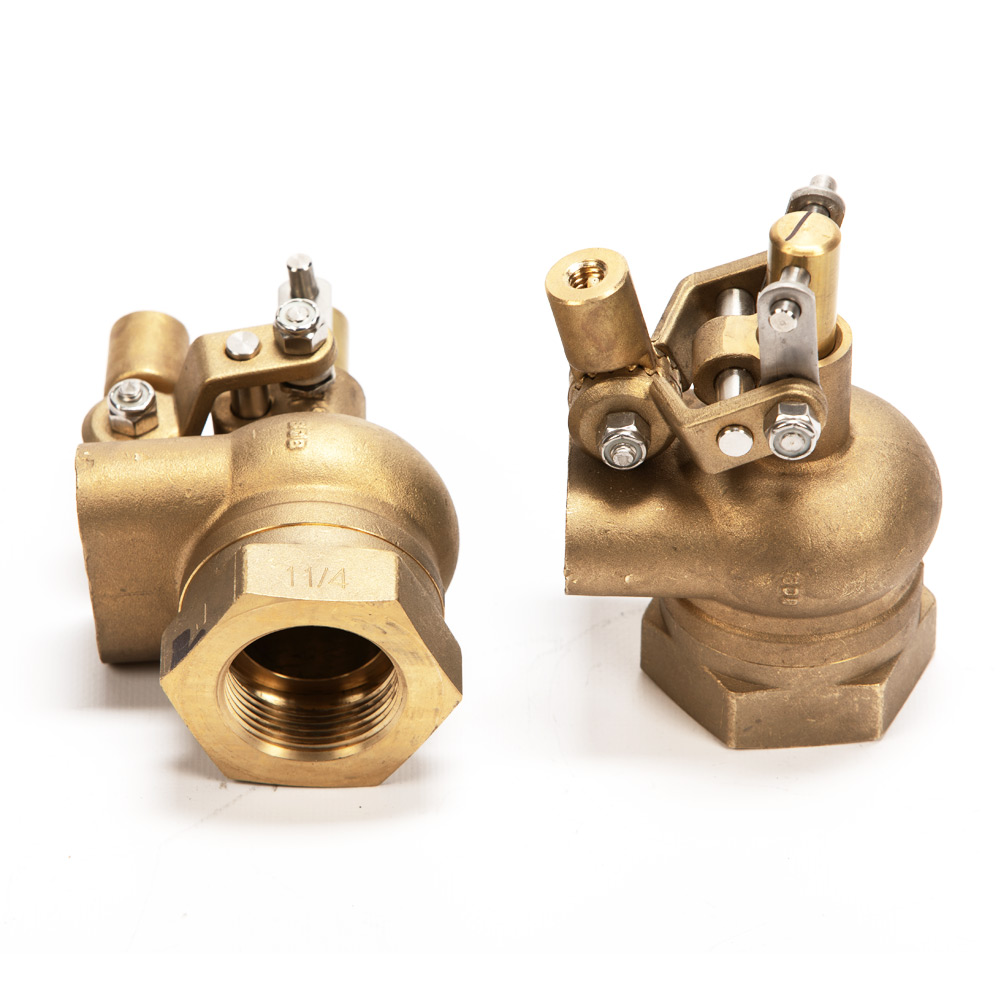
Water level control in a cooling tower isn’t optional—it’s essential. Too much water leads to overflow and waste. Too little water causes pump cavitation, overheating, and system shutdowns. The float valve quietly prevents both extremes, operating in the background day after day.
Despite its simple appearance, choosing the wrong float valve can impact system efficiency, maintenance frequency, and operating costs.
A cooling tower float valve is a mechanical or electronic device that automatically regulates makeup water entering the cooling tower basin. As evaporation and blowdown reduce the water level, the float valve opens to allow fresh water in. Once the correct level is reached, the valve closes.
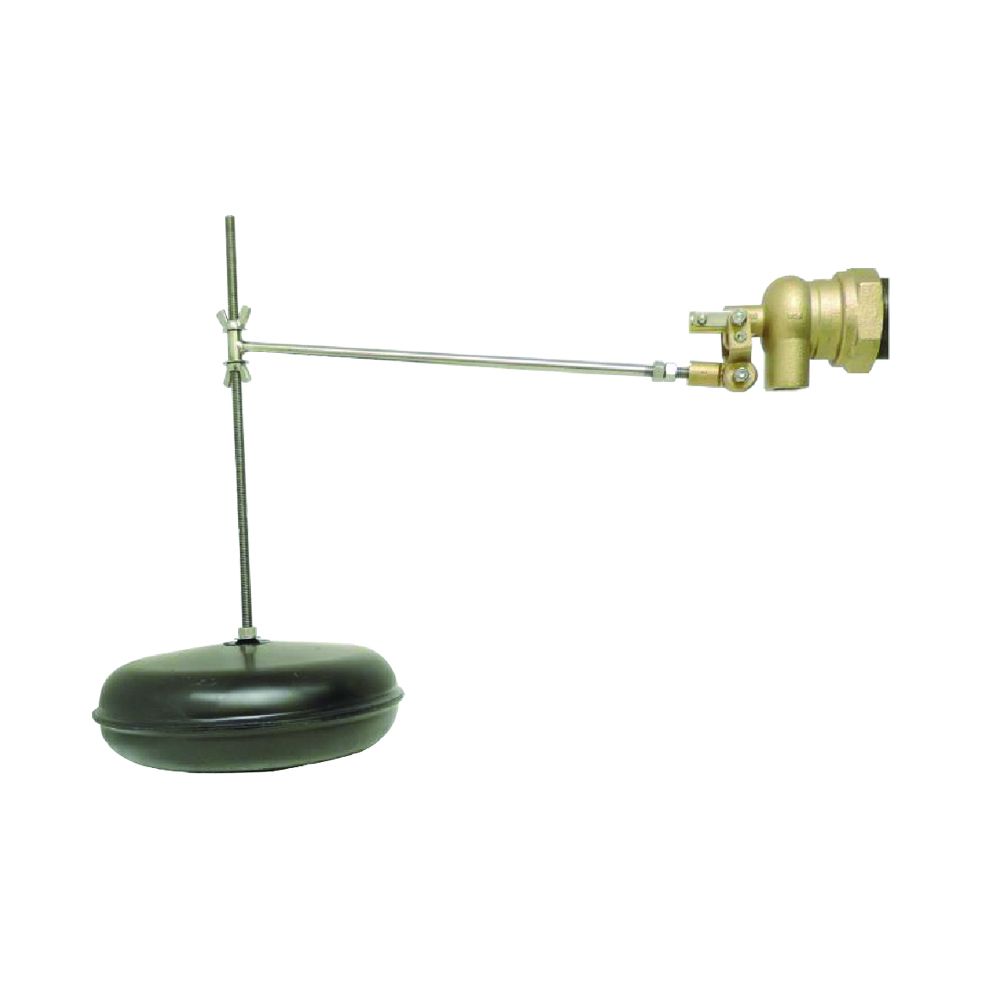
The working principle is straightforward. A float rises and falls with the basin water level. This movement opens or closes the valve through mechanical linkage or electronic signaling. It’s similar to the mechanism inside a toilet tank—but engineered for industrial pressure, temperature, and continuous operation.
Stable water levels protect pumps, maintain heat transfer efficiency, and prevent unnecessary water loss. A reliable float valve ensures consistent operation and reduces the risk of unexpected downtime.
Cooling tower float valves come in several designs, each suited to different operating conditions and system sizes.
Mechanical float valves are the most widely used option due to their simplicity and reliability. They require no external power and are easy to install and maintain.
This is the most common design. A hollow ball float connects to the valve body via a lever arm. As the water level rises, the ball floats upward and gradually shuts off the water supply.
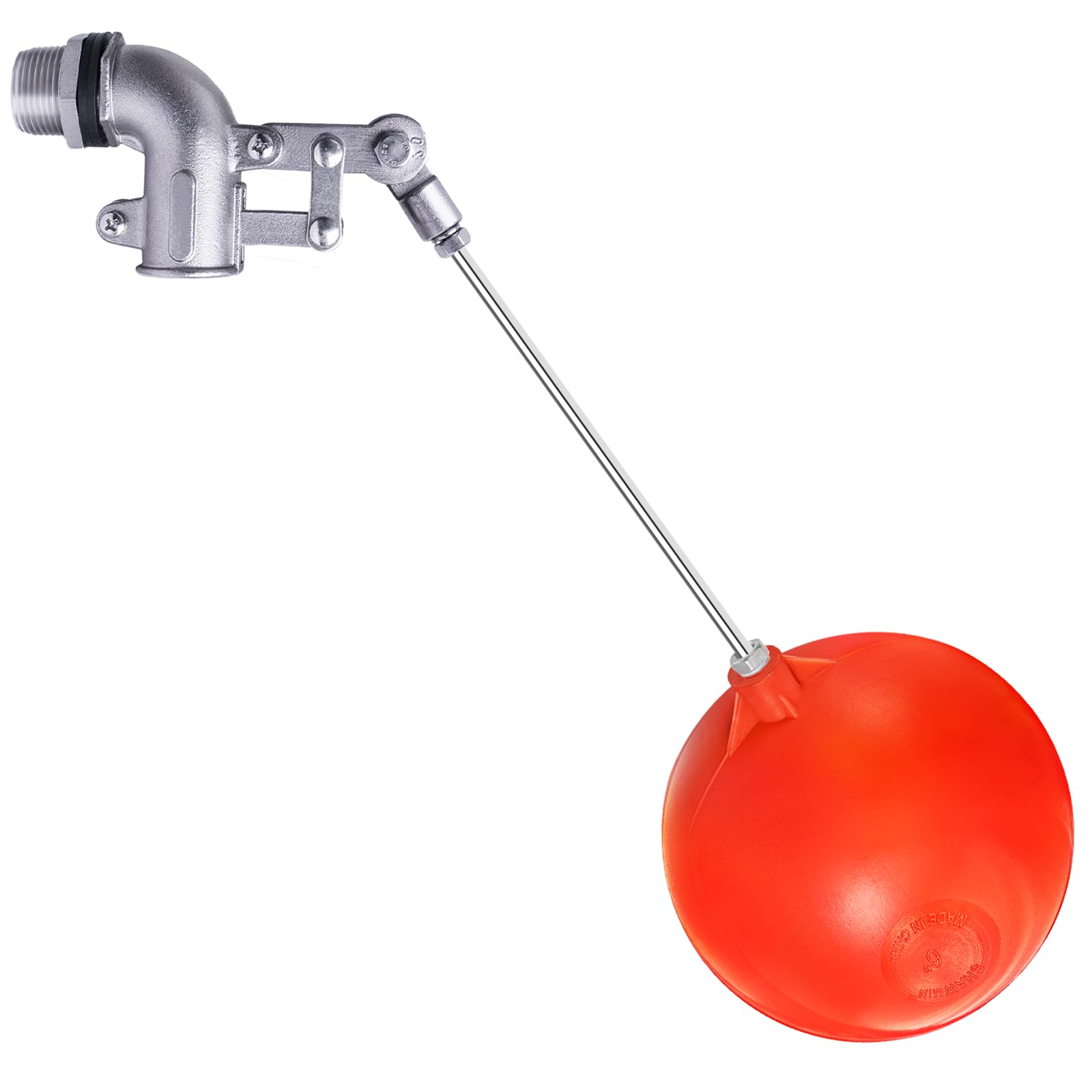
Ball float valves are ideal for small to medium cooling towers where cost-effectiveness and ease of replacement are priorities.
Lever-arm float valves use a reinforced arm to provide greater mechanical leverage. This design supports higher flow rates and larger basin volumes, making it suitable for industrial cooling towers.
Electronic float valves offer greater precision and control. They rely on electrical signals rather than purely mechanical movement.
Float switches detect water levels and send signals to solenoid valves to open or close. These systems are commonly used in HVAC cooling towers where accurate control is required.
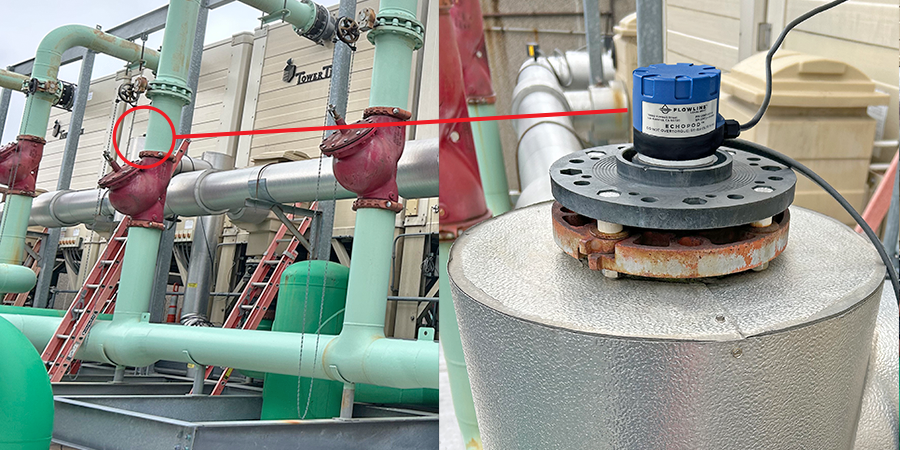
Advanced systems use ultrasonic, conductivity, or pressure sensors to monitor water levels continuously. These solutions are often found in large industrial plants and power generation facilities.
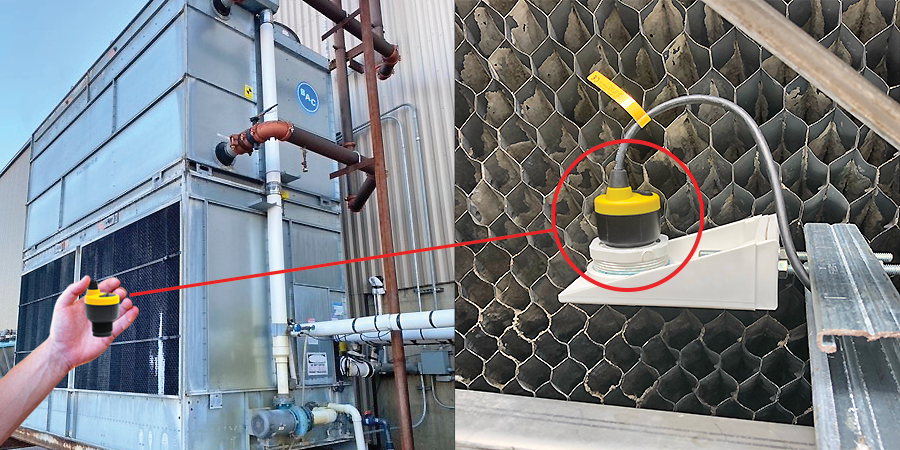
Side entry float valves are installed through the side wall of the cooling tower basin. They are easy to access, simple to retrofit, and widely used in both new installations and upgrades.
Bottom entry float valves connect through the basin floor. Their compact design makes them ideal for installations where side space is limited or piping layouts require vertical entry.

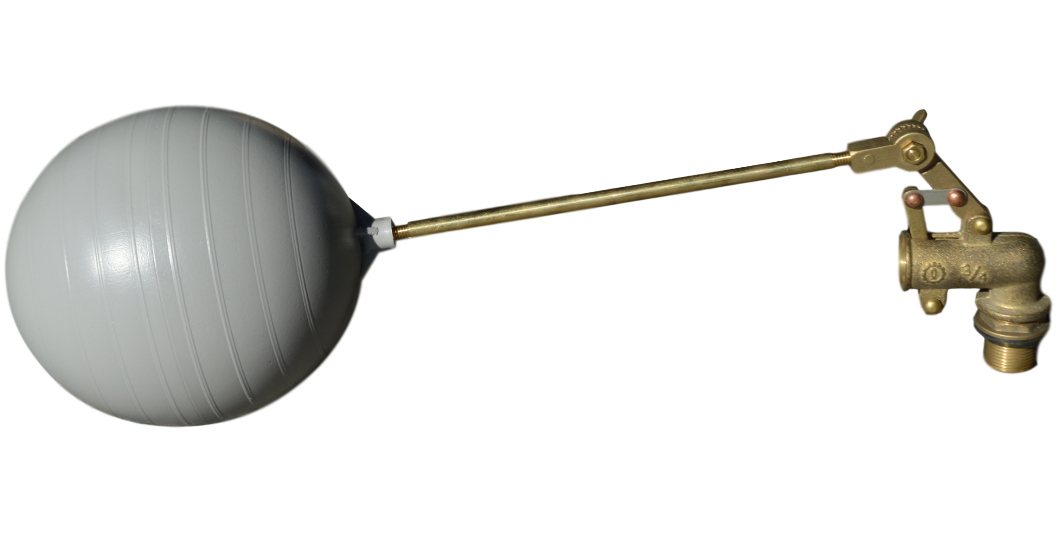
Industrial cooling towers often operate under high inlet water pressure. Heavy-duty float valves are designed to withstand these conditions without leaking or premature failure. These valves are typically used in continuous-duty applications.
Material selection plays a major role in valve lifespan and performance.
Brass float valves provide a good balance between strength, corrosion resistance, and cost. They are widely used in commercial HVAC cooling towers.
Stainless steel float valves offer superior resistance to corrosion, high temperature, and mechanical stress. They are the preferred choice for industrial cooling towers and harsh environments.
Plastic and composite float valves are lightweight and corrosion-resistant. They are best suited for smaller systems or applications with aggressive water chemistry.
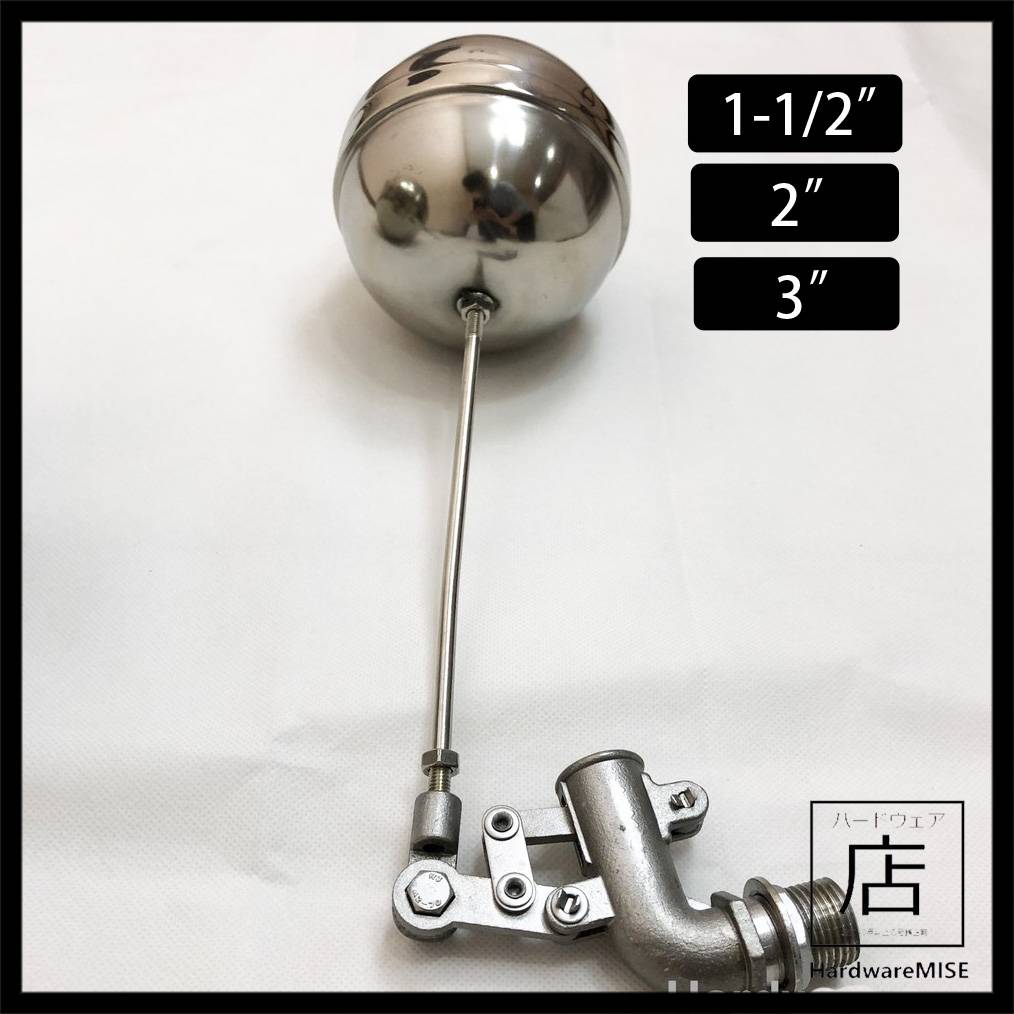

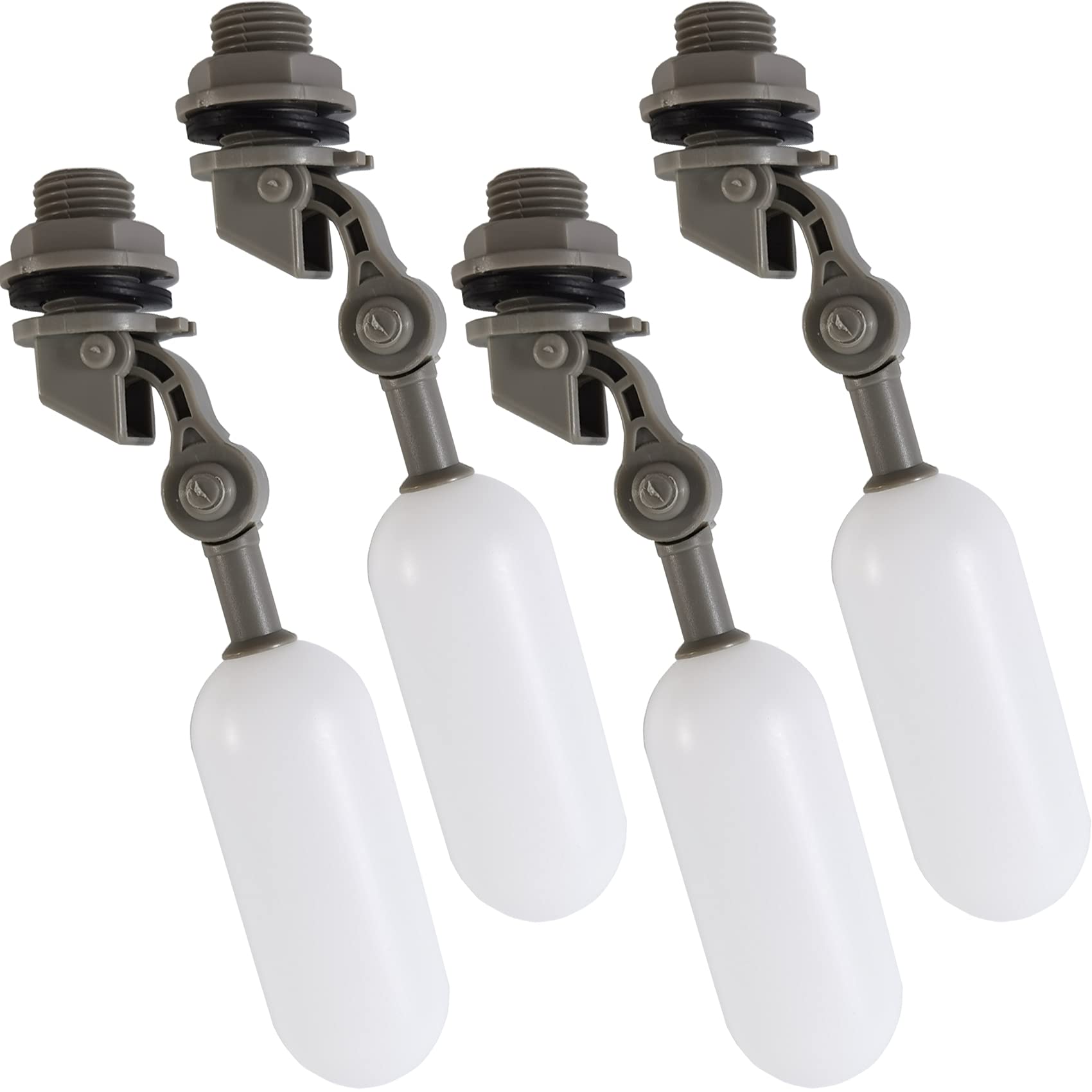
Different cooling systems require different float valve solutions.
HVAC systems typically use mechanical or electronic float valves with moderate flow rates. Reliability and low maintenance are the main priorities.
Industrial facilities require robust float valves capable of handling continuous operation, high pressure, and variable water quality. Stainless steel and heavy-duty designs are commonly used.
Power plants and process cooling systems demand precise water level control. Electronic and sensor-based float valve systems are often standard in these applications.
Choosing the right float valve is critical to long-term performance.
Key factors include inlet water pressure, flow rate, basin size, operating environment, and maintenance accessibility. Working with experienced manufacturers like Mach Cooling ensures proper selection and reliable performance.
https://www.machcooling.com/
Misalignment, debris buildup, and improper sizing are common causes of float valve failure. Routine inspection and cleaning significantly extend service life.
A float valve may be a small component, but it has a major impact on cooling tower reliability. Choosing a trusted cooling tower manufacturer means better material quality, precise engineering, and long-term support.
Mach Cooling provides complete cooling tower solutions, including high-quality float valves designed for real industrial operating conditions.
Cooling tower float valves may not attract much attention, but they play a vital role in system stability and efficiency. By understanding the different types of cooling tower float valves and their applications, you can reduce water waste, prevent operational issues, and extend equipment life.
In cooling tower systems, it’s often the smallest components that make the biggest difference.