We Provide Cooling Tower Solution

Views: 0 Author: Site Editor Publish Time: 2026-01-03 Origin: Site


Water in a cooling tower isn’t just a passive medium—it’s the lifeblood of your system. Without proper treatment, minerals accumulate, metals corrode, and microorganisms proliferate. These issues not only reduce efficiency but can lead to costly repairs and health risks.
This is why cooling tower water treatment is critical. In this article, we’ll explore chemical vs physical water treatment methods, their pros and cons, and how to choose the most effective approach for your system. Spoiler: sometimes combining both methods yields the best results.
Cooling tower water naturally contains:
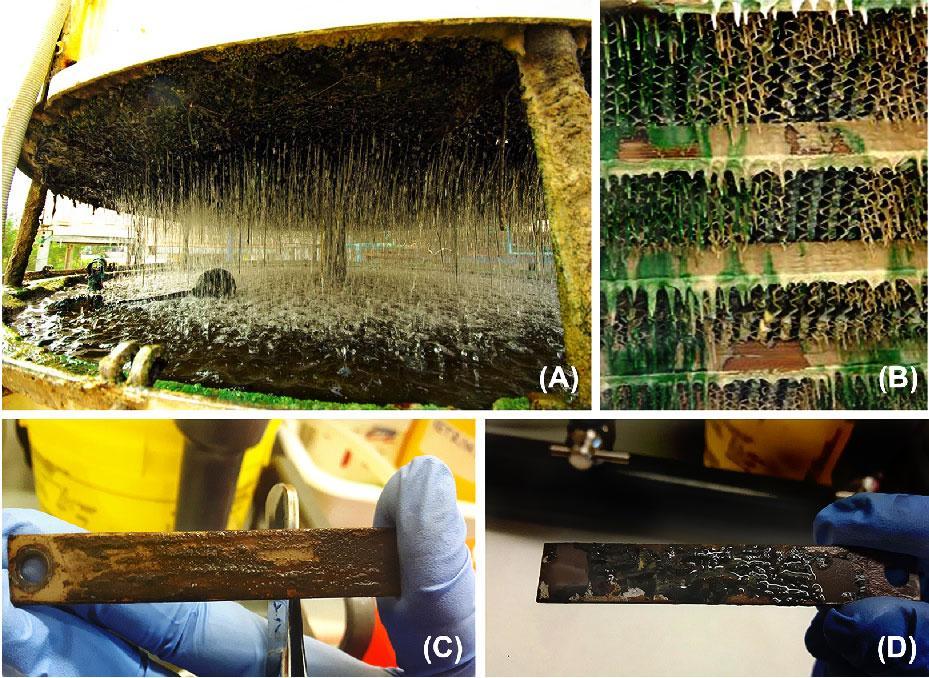
Calcium and magnesium, which cause scale
Chlorides and sulfates, which accelerate corrosion
Suspended solids and particulates, which can clog pipes and nozzles
As water evaporates, these minerals concentrate, increasing the risk of operational issues.

Untreated water can cause:
Scale formation on heat exchangers
Corrosion of structural components
Biofouling from algae and bacteria
Increased energy consumption
Unexpected system downtime

Cooling tower water treatment methods are generally divided into two categories:
Chemical Treatment – using chemicals to control scale, corrosion, and microbial growth.
Physical Treatment – employing devices or processes to prevent scale or biofouling without chemicals.
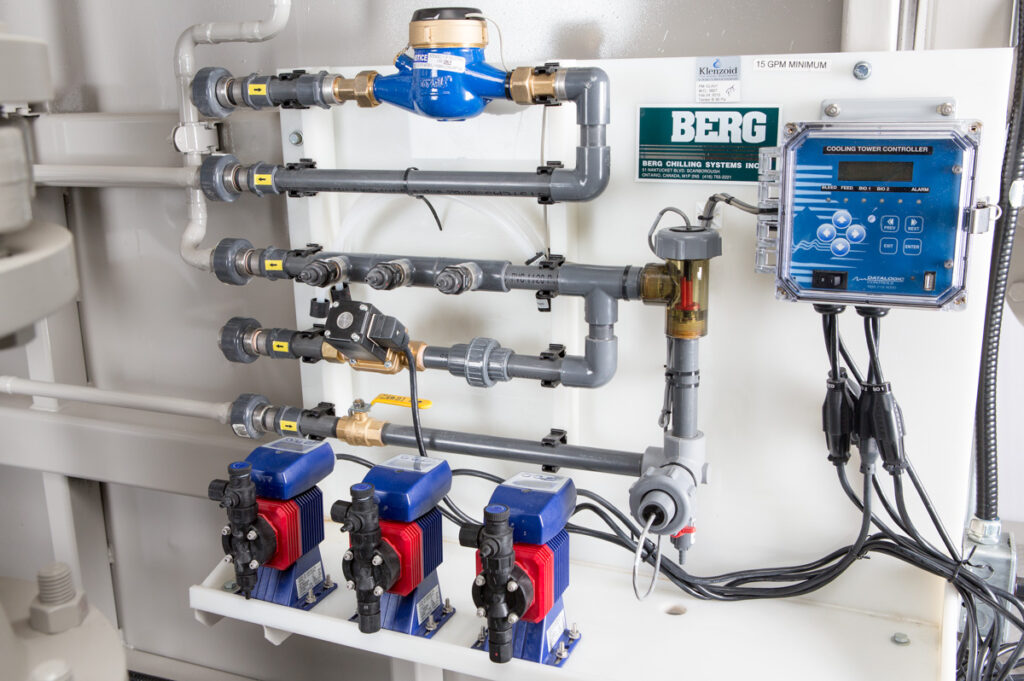
Chemical treatment is the traditional method. It involves dosing water with chemicals to control scale, corrosion, and microbial growth.
Scale inhibitors – phosphates, polymers
Corrosion inhibitors – zinc, molybdates, orthophosphates
Biocides – chlorine, bromine, non-oxidizing biocides
pH adjusters – acids or alkalinity controllers
Advantages:
Highly effective at controlling scale and corrosion
Flexible dosing for precise control
Widely tested and reliable
Limitations:
Requires continuous monitoring
Risk of chemical overuse
Generates wastewater requiring proper disposal
Physical methods prevent scale, corrosion, or biofouling without chemical additives. These include:
Magnetic or electromagnetic devices – modify mineral crystal formation to reduce scale
Electrolytic systems – control calcium and magnesium buildup
Ultrasonic treatment – prevents biofilm and scale adhesion
Filtration/sedimentation systems – remove suspended solids
Advantages:
Reduces chemical consumption
Environmentally friendly
Lower recurring costs
Limitations:
May be less effective with very hard water
Requires specialized equipment
Often combined with minimal chemical dosing for optimal results
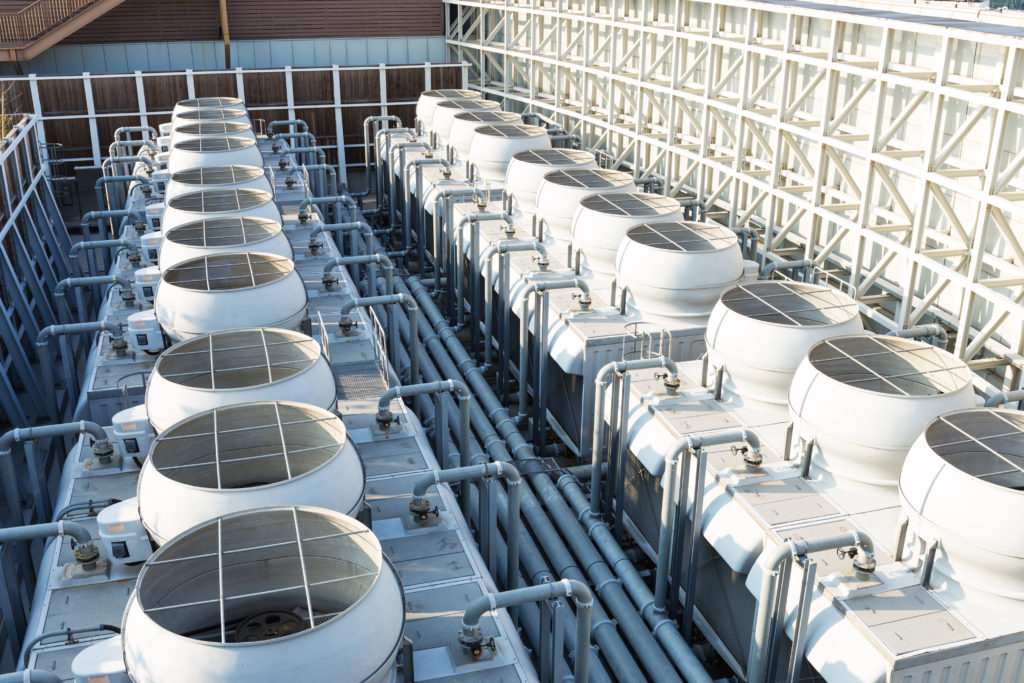

Chemical treatments generally outperform physical methods in extreme water conditions. However, modern physical devices significantly reduce chemical use while maintaining adequate control.
Scale buildup reduces heat transfer efficiency. Both methods prevent scale and thus save energy by reducing pump and fan workload. Hybrid solutions often maximize energy savings.
Chemical treatment needs ongoing chemical purchases and monitoring equipment maintenance. Physical treatment usually has lower operational costs but requires periodic checks or replacement parts.
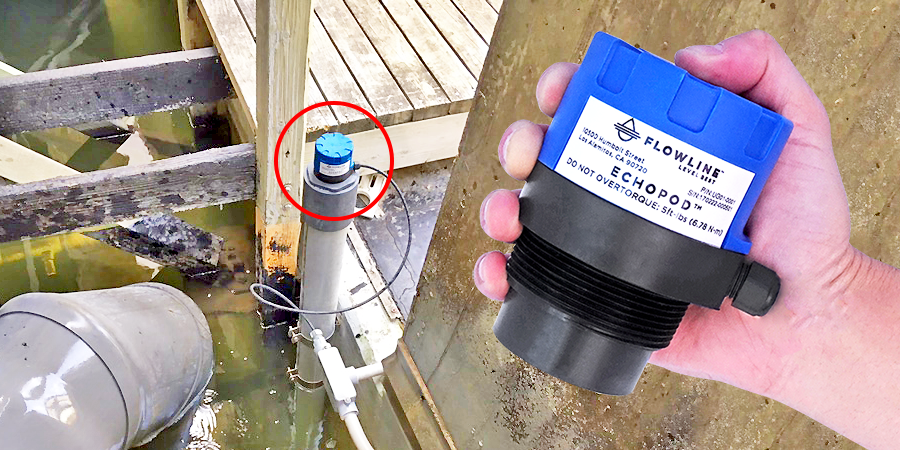
Many industrial plants combine both methods:
Physical treatment reduces chemical demand
Low-dose chemical treatment ensures full protection
This combination balances performance, cost, and environmental impact.
Regular water testing (pH, hardness, conductivity)
Continuous monitoring of dosing and treatment devices
Adjusting treatments according to seasonal water changes
Chemical water treatment generates blowdown water that must be treated and disposed of responsibly to prevent environmental harm.
Different regions have regulations on:
Discharge limits for phosphates, chlorine, and other chemicals
Legionella control standards
Water reuse restrictions
Mach Cooling designs cooling towers to integrate easily with both chemical and physical treatment systems while meeting global standards.
Water hardness and mineral content
System capacity and complexity
Available budget for chemicals or equipment
Long-term operational and sustainability goals
A chemical plant implemented a hybrid system combining electromagnetic treatment with low-dose chemicals:
40% reduction in chemical usage
Scale deposits eliminated
Improved energy efficiency
Extended equipment lifespan
Mach Cooling (https://www.machcooling.com/) manufactures towers that:
Ensure uniform water distribution
Minimize stagnant zones
Support both chemical and physical treatments
Mach Cooling towers are designed for:
Traditional chemical dosing
Physical or hybrid water treatment systems
Integration with monitoring and automation technologies
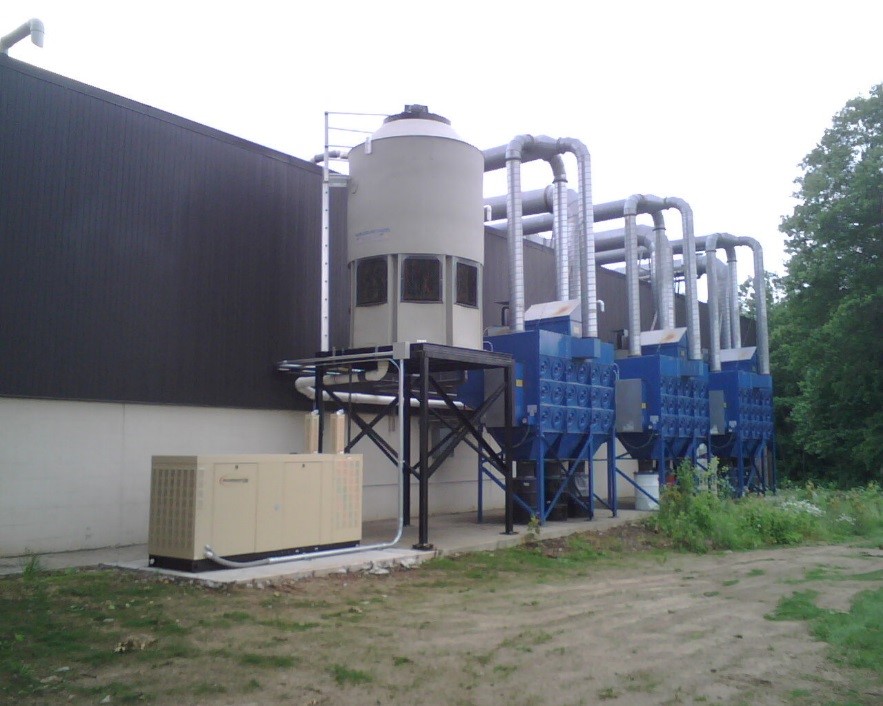
Cooling tower water treatment is not optional—it’s essential. Both chemical and physical methods work, but understanding their advantages, limitations, and environmental impacts is key. Often, a hybrid approach is the best way to protect equipment, reduce costs, and improve efficiency.
Pairing effective water treatment with high-quality cooling towers from Mach Cooling ensures:
Reliable long-term operation
Reduced chemical and water usage
Lower energy costs
Compliance with environmental standards
In short, choosing the right water treatment method is an investment in system longevity, operational efficiency, and sustainability.