We Provide Cooling Tower Solution

Views: 0 Author: Site Editor Publish Time: 2026-01-16 Origin: Site


If you’ve ever reviewed a cooling tower specification or compared multiple manufacturers, chances are you’ve seen the phrase “CTI Certified” more times than you can count. It sounds authoritative—and it is—but what does CTI certification really mean?
Is it a guarantee of overall quality? A promise of long-term reliability? Or simply a performance benchmark?
In this article, we’ll clearly explain CTI certification, including how testing is conducted, how thermal performance is verified, and what compliance truly involves. By the end, you’ll understand why CTI matters—and how to use it correctly when selecting a cooling tower.
CTI certification has become one of the most trusted performance references in the global cooling tower industry. Engineers rely on it. Consultants specify it. Project owners demand it.
Yet despite its widespread use, CTI certification is often misunderstood. Many buyers assume it covers everything from materials to corrosion resistance. In reality, CTI certification has a very specific—and very important—purpose.
Let’s break it down.
The Cooling Tower Institute (CTI) is an independent, non-profit organization dedicated to advancing cooling tower technology through research, education, and standardized testing.
CTI was established to solve a major industry problem: inconsistent and unreliable performance claims. Before standardized testing, manufacturers used different assumptions and methods, making true comparison nearly impossible.
CTI introduced uniform testing standards, allowing apples-to-apples comparison across different cooling tower designs and brands.
CTI acts as a neutral referee. Its standards give engineers confidence that a cooling tower can meet its stated thermal duty under defined conditions. That trust is critical when cooling performance affects production, uptime, or safety.
CTI certification is a thermal performance verification program. It confirms that a cooling tower can achieve its published cooling capacity when tested under standardized conditions.
CTI certification verifies only thermal performance. It does not certify:
Structural strength
Corrosion resistance
Fan efficiency
Noise levels
Drift loss
Installation quality
Understanding this scope prevents costly assumptions later.
CTI certification is technically voluntary. However, many EPC contractors, industrial projects, data centers, and power plants require CTI-certified cooling towers as a minimum specification.
CTI operates several programs, but one stands above the rest in global recognition.
The ATC-105 program applies to factory-assembled cooling towers and is the most commonly referenced CTI certification worldwide.
ATC-105 confirms that a cooling tower can meet its stated cold-water temperature at rated airflow, water flow, and wet-bulb conditions.
ATC-105 does not evaluate mechanical durability, long-term degradation, or site-specific performance variables.
CTI also provides field performance testing, sound testing, and research-based evaluations, but these are separate from ATC-105 certification.
CTI certification is based on real testing—not theoretical modeling.
Cooling towers are tested in CTI-approved test facilities. These tests measure key variables such as:
Airflow rate
Water flow rate
Heat rejection
Wet-bulb temperature
Cold-water temperature
Results must fall within strict tolerance limits.
CTI conducts ongoing audits to ensure continued compliance. Manufacturers must demonstrate consistency, not just a one-time result. Certification can be suspended if performance standards are not maintained.
Understanding CTI ratings helps buyers avoid both underperformance and overspending.
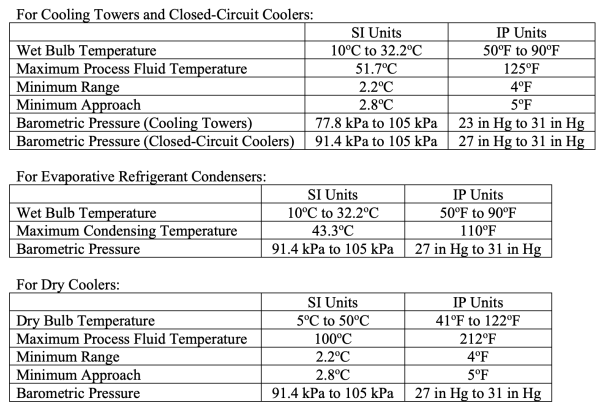
CTI ratings are based on standardized conditions, including approach, range, heat load, and ambient wet-bulb temperature. This standardized framework allows fair comparison between manufacturers.
Performance curves show how cooling towers behave under part-load and off-design conditions. Engineers use these curves to evaluate seasonal efficiency and operational flexibility.
CTI compliance is not just the manufacturer’s responsibility—it’s a shared obligation.
Manufacturers must design, test, document, and audit their cooling towers continuously. Companies like Mach Cooling integrate CTI requirements into the engineering process from the very beginning to ensure predictable thermal performance.
https://www.machcooling.com/
Even a CTI-certified cooling tower can underperform if installed or operated incorrectly. Proper commissioning, maintenance, and water treatment are essential to achieving rated performance.
One of the most common misconceptions is that CTI certification guarantees overall product quality. It doesn’t.
CTI certification guarantees thermal performance under defined test conditions—nothing more, nothing less. Understanding this distinction leads to smarter purchasing decisions.
CTI certification reduces risk. It ensures that the cooling tower you purchase can meet its published cooling capacity without guesswork.
For mission-critical systems—such as power plants, data centers, and industrial processes—this performance assurance is invaluable.
At Mach Cooling, CTI standards are treated as a foundation, not a checkbox. By aligning cooling tower design with CTI-certified performance methodologies, Mach Cooling delivers equipment that performs predictably in real-world conditions.
From engineering to manufacturing, CTI principles guide every step of the process.
https://www.machcooling.com/
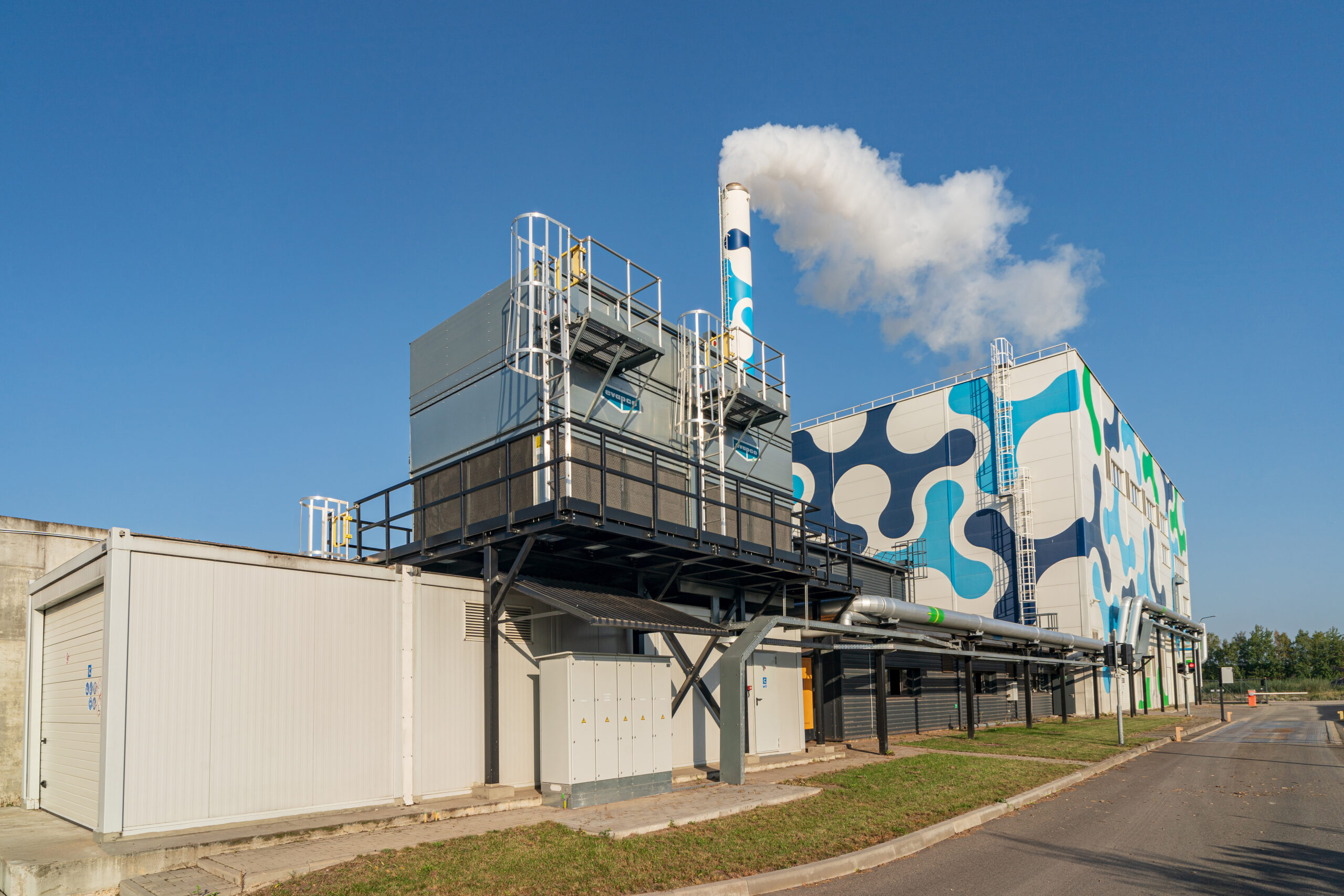
CTI certification is more than a logo on a datasheet—it’s a global benchmark for cooling tower thermal performance. By understanding CTI certification, testing methods, performance ratings, and compliance responsibilities, engineers and buyers can make confident, informed decisions.
In an industry where performance shortfalls are costly, CTI certification provides clarity, credibility, and peace of mind—exactly where it matters most.