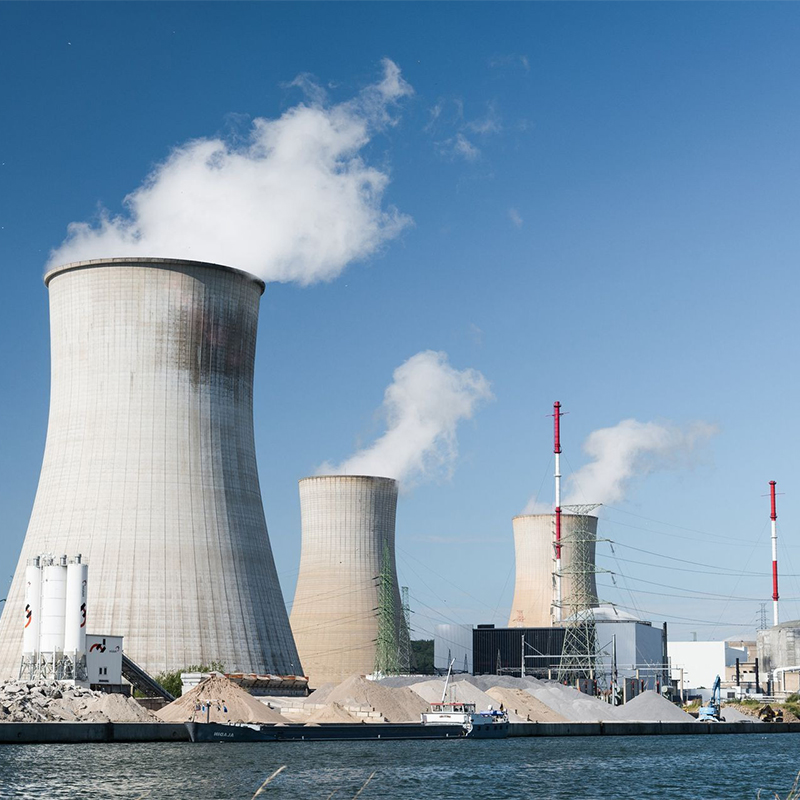
We Provide Cooling Tower Solution

Views: 0 Author: Cindy Publish Time: 2026-10-19 Origin: Site


Industrial cooling equipment plays a critical role in manufacturing plants, power generation facilities, HVAC systems, chemical processing, and many other applications. However, even a well-designed cooling system can lose performance when dust, mineral scale, and other deposits accumulate on its heat-transfer surfaces. Cooling tower fins cleaning and descaling are essential maintenance tasks for equipment that uses finned heat exchangers, helping maintain airflow, heat rejection, and reliable operation.
For industrial users, the goal is simple: keep heat-transfer surfaces clean without damaging the equipment. In this guide, we explain why fin cleaning matters, how to remove common deposits, which cleaning methods to consider, and how preventive maintenance can support long-term cooling performance.
Mach Industry (Zhejiang) Co.,Ltd provides industrial cooling equipment solutions through its Mach Cooling brand. Visit www.machcooling.com to explore the company's cooling solutions and learn more about its industrial applications.
Cooling tower fins are thin metal surfaces attached to heat-transfer tubes in certain cooling systems. They increase the surface area available for exchanging heat between fluid inside the tubes and the surrounding air. Finned coils are commonly found in closed-circuit cooling towers, air-cooled heat exchangers, dry coolers, condensers, and other industrial thermal equipment.
Their closely spaced design allows a large heat-transfer area within a relatively compact space. However, the same design creates a challenge: dirt and debris can accumulate between the fins, making inspection and cleaning important.
Before beginning maintenance, identify whether the equipment contains a finned coil, conventional cooling tower fill, or both. The correct cleaning method depends on the component being serviced.

Fins increase the effective surface area through which heat moves from a tube to the surrounding air. As process fluid passes through the tubes, heat travels through the tube wall and into the fins before transferring to the air stream.
Clean fin surfaces help preserve the intended heat-transfer conditions. When dirt fills the spaces between fins, airflow becomes restricted. If deposits also accumulate on the surfaces, they can interfere with heat transfer.
The result may include higher operating temperatures, increased fan demand, reduced cooling capacity, or longer operating cycles, depending on the system.
Think of a finned coil as a set of narrow pathways. When those pathways become blocked, the entire heat-exchange process becomes less effective.
Fins and cooling tower fill media perform related but different functions.
Fins increase the heat-transfer area of a coil, typically supporting heat exchange between a tube circuit and air. Cooling tower fill media, by contrast, distributes water into thin films or droplets to increase contact between water and air in an evaporative cooling tower.
Their materials, structures, and cleaning requirements differ. Finned coils may combine aluminum or copper fins with metal tubes, while cooling tower fill is commonly manufactured from PVC, PP, or other suitable materials.
Using an aggressive chemical or excessive water pressure on the wrong component can cause damage. Always confirm the equipment type before selecting a cleaning procedure.
Industrial environments expose cooling equipment to airborne particles, fibers, oil mist, moisture, and other contaminants. Over time, these materials collect on coil surfaces or become trapped between fins. In evaporative environments, water-related deposits can create additional maintenance challenges.
Cleaning removes accumulated material, helps restore airflow, and makes it easier to identify damage during inspections. It also supports more consistent operating conditions.
A maintenance program should consider the surrounding environment, the manufacturer's recommendations, operating temperatures, water quality, and the consequences of reduced cooling capacity.
Cleaning is not simply cosmetic work. It is part of protecting the performance and reliability of industrial cooling equipment.
Dust and airborne debris are common causes of fin fouling. Plants that process wood, textiles, metals, cement, chemicals, or agricultural materials may expose cooling equipment to particularly high particle loads.
Dust can form a layer across the coil face, while fibers and larger particles may bridge narrow gaps between fins. Oil mist can make dust stick more firmly, creating stubborn deposits that ordinary rinsing may not remove.
These contaminants can reduce airflow through the coil and increase resistance to air movement. Routine visual checks, appropriate air filtration, and timely cleaning help prevent small accumulations from becoming extensive blockages.
Mineral scale forms when dissolved substances in water precipitate and attach to surfaces. Calcium carbonate is a common example, although the composition of deposits depends on water chemistry and operating conditions.
Hard water, high surface temperatures, evaporation, leakage, and repeated wetting can contribute to mineral buildup. On a finned coil, scale may form where water contacts the metal, while deposits can also develop inside water-side components.
Thick scale interferes with heat transfer and can be difficult to remove without a suitable cleaning agent.
Correctly identifying the deposit matters because mineral scale, oily dirt, and corrosion products require different treatment strategies.
Damp surfaces and contaminated water can support biological growth under suitable conditions. Algae, biofilm, and other organic deposits are particularly relevant to evaporative cooling systems and water circuits. Biological material can trap additional dirt and contribute to restricted flow or unsanitary operating conditions.
Corrosion presents a separate concern. Damaged protective coatings, incompatible chemicals, high chloride levels, or prolonged exposure to moisture can contribute to metal deterioration.
Cleaning may remove loose contamination, but it cannot restore metal that has already been lost through corrosion. If deposits return quickly or surfaces show pitting, discoloration, or leakage, investigate the underlying cause instead of relying on repeated cleaning alone.
Several symptoms may indicate that a finned heat exchanger needs attention. Recognizing them early can help maintenance teams respond before the problem affects production.
Common warning signs include:
Visible dust mats or clogged fin passages.
Hardened mineral deposits on heat-transfer surfaces.
Uneven airflow across the coil.
Abnormal fan operation or increased operating noise.
Rising process-fluid temperatures.
Reduced cooling capacity.
Longer operating cycles or increased energy consumption.
Repeated high-temperature alarms.
None of these symptoms proves that dirty fins are the only cause. Fan faults, insufficient water flow, refrigerant problems, control issues, excessive ambient temperatures, and incorrect system sizing can produce similar symptoms.
Compare current operating data with historical performance, inspect the coil safely, and check other relevant components before deciding on corrective action.
Heat exchangers rely on effective heat transfer and adequate airflow. When deposits block the fin passages, the fan may need to overcome greater resistance, and the volume of air crossing the coil can fall.
Surface contamination can also increase thermal resistance, reducing the rate at which heat moves into the air. Depending on the equipment, this may lead to lower cooling capacity, higher operating temperatures, longer running times, and increased electricity use.
In production environments, inadequate cooling can threaten product quality or interrupt processes that depend on stable temperatures.
The actual impact varies with deposit thickness, coil design, fan characteristics, operating conditions, and the type of contamination. This is why routine inspection and performance monitoring are important parts of industrial cooling maintenance.
The right cleaning method depends on fin material, fin spacing, deposit type, equipment condition, and the manufacturer's instructions.
A light dust layer may require only gentle dry cleaning, while heavier deposits may need controlled water washing or a compatible specialist cleaner. Chemical descaling should be reserved for confirmed mineral deposits that cannot be removed using less aggressive methods.
Before starting, isolate the equipment, follow lockout/tagout procedures, and protect electrical components. Never assume that a method suitable for a robust metal surface is safe for delicate aluminum fins or coated coils.
Low-pressure water washing can remove loose dirt and some water-soluble deposits from accessible coil surfaces.
Use a controlled flow and follow the equipment manufacturer's recommended cleaning direction. Where appropriate, clean from the side that allows debris to leave the coil rather than pushing it deeper into the fin passages.
Avoid uncontrolled high-pressure jets, which can flatten fins, damage coatings, and force contamination into inaccessible areas. Protect motors, electrical enclosures, sensors, and other water-sensitive components.
After cleaning, inspect the coil and allow the equipment to dry as required before restarting it.
Water washing is often a good first choice for ordinary dirt, but it may not dissolve hardened mineral scale.
Compressed air can be useful for removing dry dust and loose debris from finned coils. Use clean, dry air at a pressure appropriate for the coil, and direct it so contaminants are expelled rather than driven further into the fins.
Wear suitable eye and respiratory protection, and control dust to prevent it from spreading into nearby equipment or occupied areas.
For light deposits, a soft brush designed for coil cleaning may help loosen material without scraping the metal. Avoid hard wire brushes, sharp tools, and forceful rubbing, which can deform fins or damage protective coatings.
If dirt is oily or tightly compacted, dry cleaning alone may not be sufficient.
Chemical cleaners may be appropriate when dirt, grease, biological contamination, or mineral deposits resist mechanical cleaning. However, different formulations target different contaminants.
An alkaline cleaner may help with some oily residues, while an approved acidic descaler may dissolve certain mineral deposits. Neither should be selected without checking material compatibility.
Aluminum fins, copper tubes, soldered joints, galvanized parts, rubber seals, and protective coatings can react differently to chemicals.
Follow the product label and equipment instructions, observe the specified dilution and contact time, and rinse thoroughly when required. Do not mix cleaning products or improvise chemical combinations.
For valuable or heavily scaled equipment, professional assessment can reduce the risk of damage.

Effective descaling begins with identifying the deposit and confirming that the affected component can tolerate the proposed treatment.
A disciplined process reduces the risk of corrosion, leaks, and accidental damage to the cooling system. Rather than applying a strong chemical immediately, start with inspection and the least aggressive method that can reasonably remove the deposit.
Shut down the equipment and follow the site's isolation and lockout/tagout procedures. Allow hot components to cool, relieve relevant pressure, and verify that the system is safe to service.
Inspect the finned coil for scale, dirt, bent fins, corrosion, damaged coatings, and signs of leakage. Check the water circuit and surrounding components where applicable.
If the deposit is difficult to identify, consult a qualified maintenance professional or arrange water and deposit analysis.
This preliminary inspection helps determine whether the problem requires simple washing, chemical descaling, mechanical repair, or a more extensive maintenance intervention.
Choose a descaler based on the deposit's composition and the materials in contact with the cleaning solution.
Aluminum fins deserve particular attention because some acidic and alkaline products can attack aluminum. Copper, steel, galvanized surfaces, brazed joints, seals, and coatings may also have specific compatibility requirements.
Confirm the cleaner's suitability with the chemical supplier and equipment manufacturer. Prepare the solution exactly as directed, use the recommended protective equipment, and test it on a small, inconspicuous area if the procedure permits.
Never assume that a product is safe simply because it is marketed for industrial cleaning.
Apply the approved cleaning solution according to its instructions, maintaining the specified concentration and contact time. Avoid allowing chemicals to dry on the surface unless the product instructions explicitly permit it.
Rinse thoroughly wherever required, and collect and dispose of wastewater in accordance with applicable environmental requirements.
Inspect the fins for remaining deposits, corrosion, deformation, and signs of chemical damage. Once the equipment is ready for service, compare airflow, temperatures, and other relevant readings against baseline data.
A successful cleaning job should improve cleanliness without compromising the integrity of the coil.
Chemical selection should be based on evidence rather than guesswork.
First, identify the deposit: mineral scale, oily contamination, organic material, or corrosion products. Next, determine the materials present and review the manufacturer's approved cleaning methods.
Consider the required dilution, contact time, rinsing procedure, wastewater handling, and worker exposure risks. Safety data sheets provide important information about hazards, handling, storage, and emergency measures.
When the deposit is mixed or unidentified, consult a specialist rather than experimenting with increasingly aggressive chemicals.
In many cases, correcting the source of contamination is more effective than repeatedly applying descaler to the same surface.
There is no universal cleaning interval for every industrial cooling system. A coil operating in a dusty factory may require more frequent inspection than one installed in a relatively clean environment.
Water quality, humidity, seasonal conditions, operating hours, nearby exhaust emissions, and equipment design also influence maintenance needs.
Follow the manufacturer's recommendations and establish a baseline after commissioning or a thorough cleaning. Use inspection findings and operating data to adjust the schedule.
A condition-based approach helps avoid both neglected maintenance and unnecessary cleaning that exposes delicate components to avoidable wear.
Consider the surrounding air quality, the amount of dust or oil released by production processes, the presence of airborne fibers, and the likelihood of mineral deposits.
Monitor temperature differences, fan performance, visible coil blockage, and changes in cooling capacity. Where applicable, review water hardness, conductivity, pH, alkalinity, and water-treatment results.
If fouling repeatedly appears in the same location, investigate airflow patterns, water distribution, filtration, or nearby contamination sources.
Use these findings to develop a maintenance schedule that reflects actual operating conditions rather than relying on a calendar alone.
Before peak summer demand, inspect coils, fan assemblies, guards, electrical connections, and relevant controls. Clean accumulated debris and confirm that airflow is not obstructed.
During operation, watch for changes in temperature, fan loading, vibration, and cooling capacity.
Before winter, assess the risk of freezing, inspect drainage and protection systems where applicable, and follow the manufacturer's shutdown or winterization procedure.
For evaporative cooling towers, inspect fill media, water distribution, drift eliminators, basin cleanliness, and water-treatment performance as separate maintenance tasks.
Document every inspection and cleaning activity to make recurring problems easier to identify.
Industrial coil cleaning involves mechanical, chemical, electrical, and environmental hazards.
Isolate electrical supplies, secure moving equipment, and follow site-specific lockout/tagout procedures before beginning work. Allow hot surfaces to cool and follow the correct procedure for depressurizing equipment.
Wear the personal protective equipment specified by the risk assessment and chemical safety data sheet, which may include gloves, eye protection, protective clothing, and respiratory protection.
Provide adequate ventilation when using chemicals, prevent unauthorized access to the work area, and contain contaminated runoff.
Never spray water toward energized electrical equipment or enter confined spaces without the required assessment and controls.
Several seemingly convenient cleaning practices can shorten equipment life.
Excessive water pressure can flatten fins and reduce airflow. Hard brushes can scratch metal and damage coatings. Incompatible acids or alkalis may cause corrosion, while excessive chemical concentration or contact time can attack otherwise serviceable surfaces.
Failing to rinse a cleaner when required can leave residues that continue reacting with the material.
Another mistake is treating every cooling component in the same way. A finned coil, PVC fill pack, water basin, and drift eliminator each have different requirements.
Always follow the relevant maintenance instructions, document the work, and verify equipment condition before returning the system to operation.
Prevention is usually less expensive than repeated corrective cleaning.
For finned coils, maintain suitable air filtration where appropriate, keep nearby work areas clean, and prevent oil mist or process dust from reaching the heat exchanger whenever practical. Check that air intakes remain unobstructed and that equipment is installed and operated according to its design requirements.
For evaporative cooling towers, maintain an appropriate water-treatment program, control concentration cycles, monitor makeup-water quality, and remove sediment as recommended.
Inspect for leaks and abnormal water carryover that may wet components not designed for continuous water contact.
These measures address the conditions that cause deposits instead of merely removing their visible symptoms.
Cleaning is appropriate when deposits are the primary problem and the underlying component remains structurally sound.
Repair may be necessary when fins are significantly bent, protective coatings are damaged, supports are loose, or leaks are detected.
Replacement should be considered when corrosion is extensive, tubes are repeatedly leaking, mechanical damage is severe, or the component can no longer meet the required operating conditions.
Evaluate repair cost, expected remaining service life, production downtime, replacement lead time, and energy performance before making a decision.
For cooling tower fill, assess brittleness, deformation, clogging, and loss of structural integrity separately from finned-coil condition.
Industrial cooling systems are interconnected. A drop in cooling performance may come from dirty fins, but it may also result from insufficient water flow, fan problems, incorrect controls, scaling inside tubes, or a broader design issue.
Experienced technical support can help identify the actual cause and recommend appropriate maintenance or equipment changes.
For large industrial facilities, planned inspections and documented service procedures also help maintenance teams coordinate work around production schedules.
If cleaning does not restore expected performance, avoid repeating the same treatment without further investigation. A more comprehensive assessment may identify a problem that cleaning alone cannot solve.
Choosing suitable cooling equipment involves more than comparing capacity figures or initial purchase prices. Industrial buyers should consider operating conditions, heat-rejection requirements, installation space, ambient temperatures, maintenance accessibility, water quality, and long-term service requirements.
Mach Industry (Zhejiang) Co.,Ltd, through its Mach Cooling brand, focuses on industrial cooling equipment solutions for customers with different application needs.
When evaluating equipment or planning an upgrade, buyers should confirm the proposed configuration, material specifications, performance requirements, and maintenance recommendations with the manufacturer.
Visit Mach Cooling's official website to learn more about the company's cooling solutions and discuss project-specific requirements.
The right equipment, combined with a practical maintenance plan, can help industrial operators maintain reliable cooling performance throughout the equipment's service life.
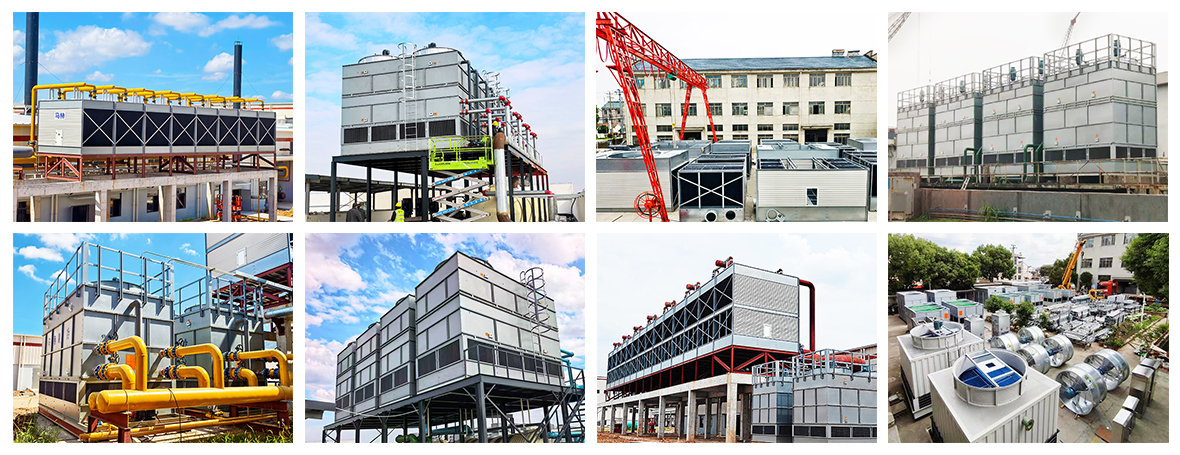
Cleaning frequency depends on the operating environment, contamination level, equipment design, and manufacturer's recommendations.
In dusty industrial settings, inspections may need to occur monthly or even more frequently, while cleaner environments may require less frequent intervention. These are planning examples rather than universal intervals.
Inspect the coil regularly and clean it when deposits begin to obstruct airflow or affect performance.
Some approved acidic descalers can dissolve mineral scale, but acid should never be applied indiscriminately.
Certain acids can damage aluminum fins, copper components, protective coatings, seals, or other materials. Identify the deposit, verify material compatibility, and use a product specifically approved for the application.
For delicate finned coils, consult the equipment manufacturer before chemical descaling.
Cleaning can improve operating efficiency when fouling is restricting airflow or heat transfer.
Removing deposits may help restore the equipment's intended performance and reduce unnecessary fan or system operating demand. However, the amount of improvement depends on the original contamination and the overall condition of the system.
Cleaning cannot correct unrelated mechanical or control problems.
Fin cleaning focuses on the metal heat-transfer surfaces of finned coils, commonly found in closed-circuit cooling towers and dry coolers.
Fill cleaning targets the PVC, PP, or other media used to distribute water and improve water-air contact in evaporative cooling towers.
Because their materials and functions differ, the two components require different cleaning methods and compatible chemicals.
Rapid scale formation may be associated with hard water, repeated wetting, water leakage, mineral-rich deposits, or unsuitable operating conditions.
If scale returns soon after cleaning, investigate the water chemistry and the source of moisture rather than simply increasing the strength of the cleaning chemical.
Correcting the underlying cause can reduce recurring maintenance costs.
Cooling tower fins cleaning and descaling are important parts of industrial cooling equipment maintenance, especially when dust, oily residues, or mineral deposits interfere with heat transfer and airflow.
The most effective strategy combines regular inspection, accurate identification of deposits, compatible cleaning methods, safe work practices, and preventive measures that reduce future fouling.
Avoid excessive pressure, unapproved chemicals, and one-size-fits-all cleaning procedures. Remember that finned coils and cooling tower fill media are different components and should be maintained accordingly.
For industrial operators planning new cooling equipment, replacing aging components, or improving maintenance practices, Mach Industry (Zhejiang) Co.,Ltd offers a starting point for exploring industrial cooling solutions.
Visit www.machcooling.com to learn more and discuss your cooling application with the company.