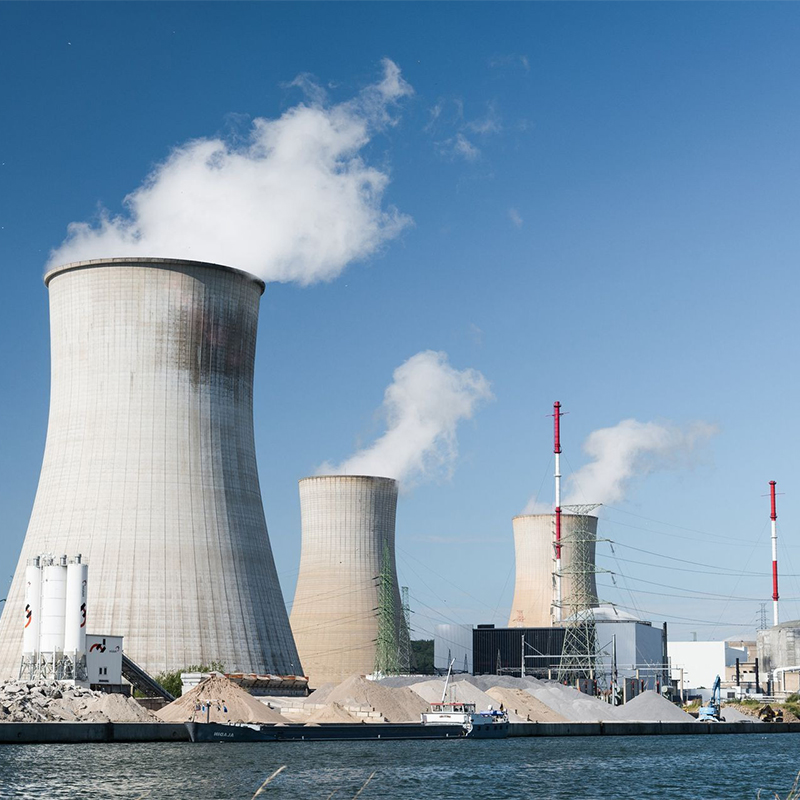
We Provide Cooling Tower Solution

Views: 0 Author: Cindy Publish Time: 2026-10-19 Origin: Site


When an industrial facility needs reliable cooling, choosing the right cooling tower can make a significant difference to operating costs, production stability, and long-term equipment performance. A single cooling tower cell may be sufficient for a small installation, but what happens when cooling demand increases, production loads fluctuate, or maintenance must take place without interrupting the entire system?
This is where a multi cell cooling tower becomes an attractive solution. By combining multiple cooling cells within one system, industrial operators can distribute cooling capacity, adjust operation to changing demand, and simplify maintenance planning.
From manufacturing plants and commercial HVAC systems to power facilities and data centers, multi cell cooling towers serve a wide range of applications. In this guide, we explore how they work, their major advantages, practical applications, selection criteria, and maintenance requirements.
Mach Industry (Zhejiang) Co.,Ltd, through its Mach Cooling brand, provides industrial cooling equipment solutions for different operating requirements. Visit www.machcooling.com to explore the company's cooling solutions.
A multi cell cooling tower consists of two or more cooling cells arranged to work together as part of a larger heat-rejection system. Each cell typically has its own fan and associated air-moving equipment, while water distribution, collection basins, structural elements, and control arrangements depend on the design.
In a typical induced-draft configuration, hot water enters the distribution system and flows over the fill media. Air passes through the fill, allowing a portion of the water to evaporate and carry heat away. The cooled water is collected and returned to the industrial process or condenser circuit.
With multiple cells, operators can divide the total cooling duty across several sections. Some systems use a common basin and shared water distribution arrangements, while others provide more independent cell isolation.
The exact level of independence depends on the design and should be confirmed before purchase.
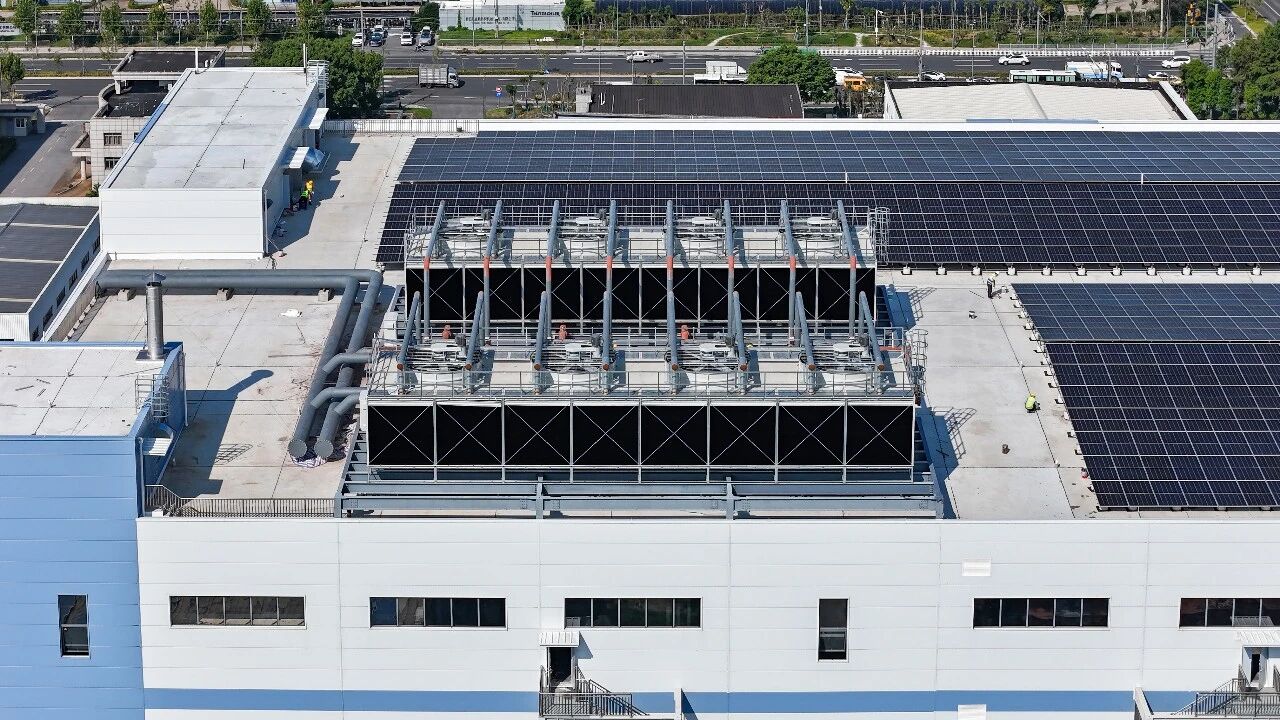
The operating principle is similar to that of a conventional evaporative cooling tower. Hot circulating water enters the tower and is distributed over the fill, which increases the contact area between water and air. As a small portion of the water evaporates, it removes heat from the remaining water. The cooled water then returns to the system.
In a multi cell arrangement, the total cooling duty can be shared across several cells. For example, during low-load periods, a properly designed system may operate fewer cells or reduce fan speed. When cooling demand rises, additional cells can be brought online.
This arrangement allows capacity to follow demand more closely. However, cell sequencing must account for minimum water flow, water distribution, fan operating limits, and the manufacturer's recommended operating range.
Although designs vary, most multi cell cooling towers contain several common components:
Fill media: Increases the contact area between water and air.
Fans and motors: Move air through the tower.
Water distribution system: Spreads hot water across the fill.
Drift eliminators: Reduce the amount of liquid water carried out with exhaust air.
Collection basin: Receives cooled water before it returns to the process.
Structural supports and access platforms: Support the tower and provide maintenance access.
Piping, valves, and controls: Regulate water flow, cell operation, and system performance.
Each cell may have dedicated fan equipment and isolation arrangements. When evaluating a system, pay attention to component accessibility, material compatibility, corrosion resistance, and the availability of replacement parts.
Good component selection makes routine maintenance easier and helps protect long-term reliability.
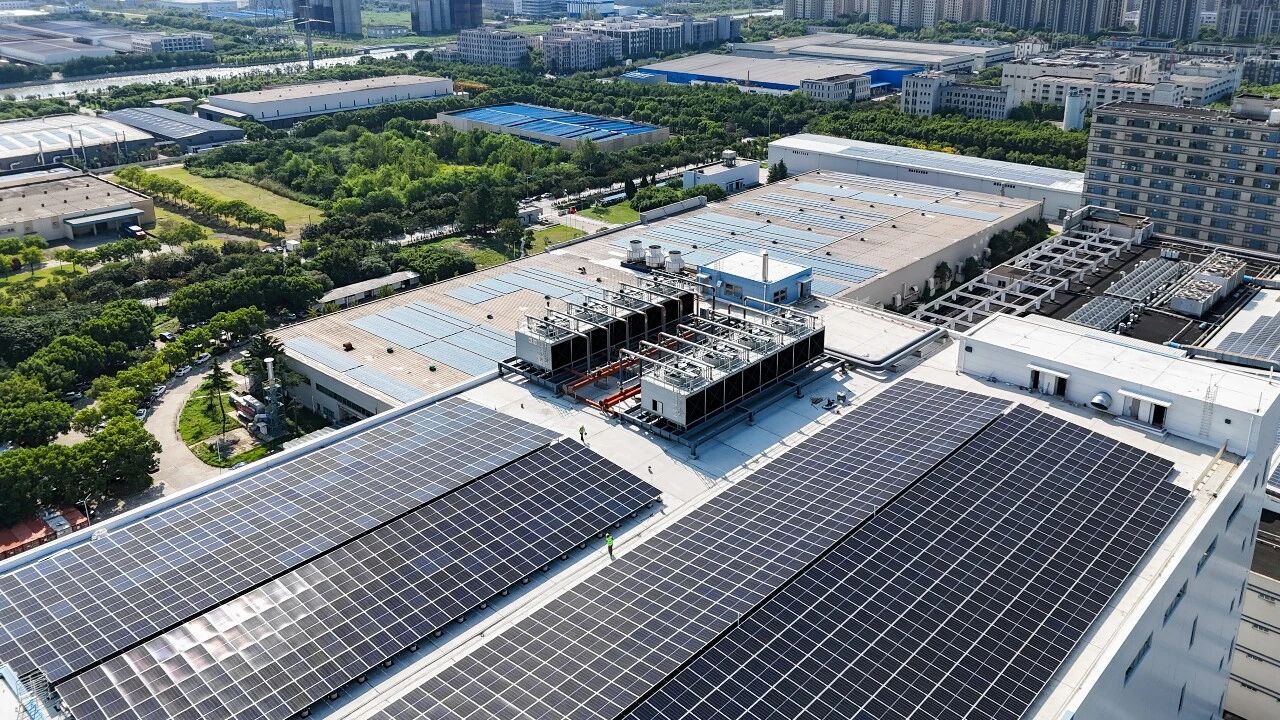
The main difference lies in how cooling capacity is divided and managed.
A single cell concentrates its cooling function within one operating section. A multi cell tower separates the duty into multiple cells that can potentially be controlled or isolated individually.
This distinction matters when the plant experiences variable cooling demand or needs maintenance flexibility.
For example, a facility may operate several cells during summer peak conditions and fewer during cooler periods, provided the system remains within its design limits. Multiple cells can also make it easier to schedule work on individual fans or other cell-specific components.
However, a multi cell tower is not automatically more efficient or more reliable than every single cell alternative. The result depends on system sizing, equipment quality, cell independence, control logic, and how well the installation matches the actual load profile.
Why do industrial facilities choose multi cell cooling towers? The main reasons are flexibility, maintainability, capacity management, and the ability to accommodate changing operating conditions.
By dividing cooling duty across several cells, operators gain more options for matching equipment operation to demand. They can also plan inspections and certain maintenance activities more strategically.
For large installations, this arrangement can simplify capacity expansion and provide more control over the distribution of cooling duty.
Still, these advantages are not automatic. The design must include suitable isolation valves, controls, water distribution, and access provisions. A poorly designed multi cell system can introduce unnecessary complexity, so the tower should be selected as part of a complete cooling system rather than as an isolated piece of equipment.
One major advantage is the ability to adjust the number of operating cells to match changing demand.
Imagine a manufacturing plant that runs several production lines during the day but operates at reduced capacity overnight. A properly configured multi cell cooling tower may allow selected cells to be shut down or run at reduced fan speed when the cooling load falls.
This can help avoid operating every fan at full capacity when the process does not need maximum heat rejection. When demand rises, additional cells can be activated.
Operators must still maintain the required water flow and thermal performance in the cells that remain online. Correct staging logic is essential to ensure that flexibility does not come at the expense of stable cooling or equipment protection.
Multiple cells can provide an opportunity to limit the impact of certain equipment problems.
If one cell has a dedicated fan or motor failure, other cells may continue operating and provide partial cooling capacity. This can be valuable for facilities where an unexpected shutdown would affect production.
However, the remaining cells must have enough available capacity to handle the reduced load, and the water and piping systems must support continued operation.
Shared basins, common pumps, control failures, or common distribution components can still affect the entire installation. For applications that require continuous service, assess redundancy at the system level, including pumps, electrical supplies, controls, piping, and cooling capacity under demanding conditions.
Multi cell cooling towers can support energy-saving strategies when their controls are designed to respond to actual demand.
Variable-frequency drives can adjust fan speed, while cell staging can reduce the number of operating fans during low-load periods. Rather than running every fan continuously at full speed, the system can seek an appropriate balance between airflow, water temperature, and electricity use.
The best strategy depends on fan performance, motor efficiency, ambient wet-bulb temperature, water flow, and process requirements.
Operating fewer cells is not always the most efficient option. One cell running at high speed may consume more energy than several cells operating at lower speeds. Engineers should compare real operating conditions and use suitable control sequences to determine the most efficient arrangement.
Multiple cells can provide greater maintenance flexibility, particularly when each cell has appropriate isolation arrangements.
Maintenance teams may be able to inspect or service selected fans, motors, fill media, or water distribution components while the remaining cells continue operating. This can reduce the need for a complete shutdown in some installations.
However, maintenance during operation is only possible when the system design, operating procedures, and safety assessment permit it. The remaining cells must also be able to handle the required cooling load.
Clear access routes, safe platforms, isolation valves, and readily available replacement components further improve serviceability.
For industrial facilities with demanding production schedules, maintenance flexibility should be considered during the initial equipment selection process.
Industrial facilities often increase production capacity over time. A multi cell cooling tower can make capacity planning more manageable by dividing the cooling duty into identifiable sections.
Depending on the original design, operators may be able to add cells or expand associated equipment when future demand grows.
This is not always a simple bolt-on process. Structural capacity, available space, piping arrangements, pump performance, electrical infrastructure, water supply, and treatment capacity must all be evaluated.
Planning for expansion at the design stage can reduce future modification costs and avoid unnecessary disruption.
If a plant expects substantial growth, discuss both current requirements and anticipated future loads with the cooling equipment supplier before finalizing the configuration.
Multi cell cooling towers are particularly useful where cooling demand is substantial, varies over time, or requires careful operational planning.
Their suitability depends on the process heat load, required outlet-water temperature, climate, water quality, installation constraints, and reliability expectations.
They are commonly considered for manufacturing facilities, commercial HVAC systems, power and energy installations, chemical plants, data centers, and selected food or pharmaceutical operations.
The correct configuration differs from one industry to another. A process plant may prioritize temperature stability and chemical compatibility, while a commercial building may focus on seasonal loads and operating costs.
Understanding the application is therefore the first step toward selecting an appropriate multi cell cooling tower.
Manufacturing facilities often use cooling water to remove heat from injection molding machines, furnaces, compressors, hydraulic systems, production equipment, and process heat exchangers.
Cooling demand can change as production lines start, stop, or operate at different rates. A multi cell cooling tower allows the cooling system to respond to these changes when supported by appropriate controls.
In larger plants, separate cells may also make maintenance scheduling more convenient.
Buyers should evaluate peak heat rejection, required water temperatures, process-water quality, and the consequences of reduced cooling capacity. For equipment operating continuously, suitable standby capacity and pump redundancy may be just as important as the number of cooling cells.
Large office complexes, shopping centers, hospitals, hotels, airports, and industrial campuses may use cooling towers to reject heat from water-cooled chillers.
Building cooling demand changes throughout the day and across the seasons. Multiple cells can help operators adjust cooling capacity to changing chiller loads and support maintenance planning.
During mild weather, fewer cells or reduced fan speeds may be sufficient, depending on the system design. During hot weather, more cooling capacity may be required.
Good controls help maintain condenser-water temperature within the chiller manufacturer's recommended range.
When evaluating a tower for HVAC service, consider noise limits, available roof or ground space, water treatment, plume behavior, and access for maintenance.

Power plants and energy facilities may require substantial heat rejection for condensers, auxiliary equipment, and other thermal processes.
In these applications, cooling performance can affect overall plant operation. Multi cell cooling towers may help distribute large cooling duties and provide operating flexibility, depending on the facility's process design.
Engineers must carefully evaluate peak thermal load, ambient wet-bulb conditions, water availability, water chemistry, and the consequences of reduced cooling capacity.
For critical operations, redundancy and emergency operating plans require special attention. The tower should be designed around the plant's full heat balance and reliability requirements rather than selected solely on nominal capacity.
Chemical and petrochemical facilities use cooling water in reactors, condensers, heat exchangers, and numerous auxiliary systems.
Process loads may change with production rates, product types, and operating schedules. A multi cell arrangement can help manage these changing requirements while offering flexibility for certain maintenance activities.
Material selection is especially important because cooling-water chemistry and airborne contaminants can accelerate corrosion or fouling.
Engineers should evaluate water-treatment requirements, potential contamination, corrosion-resistant materials, process safety requirements, and applicable site standards.
Where the cooling system serves safety-critical or continuous processes, cell redundancy must be supported by an adequate overall system design.
Data centers generate substantial heat from servers, networking equipment, power systems, and cooling infrastructure. Reliable heat rejection is essential for maintaining suitable operating conditions.
Depending on the cooling architecture, multi cell cooling towers may support chiller condenser-water systems or other heat-rejection arrangements.
Multiple cells can provide flexibility as IT loads change and may support maintenance planning. However, data center cooling reliability depends on the complete system, including chillers, pumps, heat exchangers, electrical supplies, controls, and backup strategies.
Operators should evaluate design-day conditions, redundancy targets, water availability, and the consequences of losing one cell.
Energy performance and water consumption should be assessed together rather than in isolation.
Food, beverage, and pharmaceutical plants use cooling systems for process equipment, refrigeration support, and facility services.
These industries often have strict requirements for cleanliness, temperature stability, and production continuity. Multi cell cooling towers can support larger cooling systems where loads vary or maintenance flexibility is valuable.
Nevertheless, cooling-tower water must be managed appropriately, and the cooling circuit should be designed to prevent unintended contamination of product or hygienic process areas.
Material compatibility, water treatment, inspection access, and site-specific hygiene requirements deserve careful consideration.
The appropriate arrangement depends on whether the tower serves a general utility loop, a refrigeration system, or another specialized process.

Seasonal changes can significantly affect cooling tower operation.
During summer, high ambient wet-bulb temperatures may reduce the tower's ability to cool water, while increased building or process demand may require maximum capacity. During cooler weather, the required heat rejection may decrease.
A properly designed multi cell tower can respond through cell staging, fan-speed adjustment, or other approved control strategies. The objective is to maintain the required process-water temperature while avoiding unnecessary fan operation.
In cold climates, operators must also consider freezing, ice formation, basin protection, and minimum operating requirements.
Seasonal operating procedures should follow the equipment manufacturer's instructions and account for the characteristics of the entire cooling system.
Choosing the right tower begins with understanding the actual cooling duty. Capacity alone is not enough.
The design must account for circulating-water flow, hot-water temperature, required cold-water temperature, design wet-bulb temperature, operating hours, and future load changes.
Buyers should also consider water consumption, noise, footprint, maintenance access, corrosion resistance, and control requirements.
A well-sized system can support reliable operation without unnecessary capital or operating costs.
Before requesting a quotation, prepare the key operating data and explain whether the facility needs continuous operation, partial-load flexibility, future expansion, or standby capacity.
Determine the heat that must be rejected from the process or condenser circuit. The cooling duty depends on water flow and the temperature difference between entering and leaving water.
For water, a common engineering approximation is:
Heat rejection (kW) ≈ water flow (kg/s) × 4.186 × temperature drop (°C)
This calculation provides the sensible heat removed from the water stream. Final tower selection must also account for the required thermal performance and design conditions.
Provide the supplier with the required flow rate, hot-water temperature, cold-water temperature, design wet-bulb temperature, and expected operating profile.
Avoid selecting a tower based only on nominal tonnage without confirming the rating conditions.
Ambient wet-bulb temperature is one of the most important factors in evaporative cooling tower selection.
It represents the influence of air temperature and humidity on the cooling potential of evaporation. A tower designed for a lower wet-bulb temperature may not deliver the same cold-water temperature under hotter, more humid conditions.
Engineers should use appropriate local design conditions rather than annual average weather data.
Also consider seasonal extremes, altitude, air recirculation, and nearby structures that may affect airflow. Accurate climate data helps ensure the selected tower can meet the required cooling duty when the facility needs it most.
Water quality affects scaling, corrosion, biological growth, blowdown requirements, and long-term maintenance.
Assess makeup-water hardness, alkalinity, conductivity, suspended solids, and other relevant parameters before finalizing the design.
The operating-cost assessment should include fan electricity, pumping energy, makeup water, blowdown, water treatment, maintenance, and replacement parts.
A tower with a lower initial price may cost more over its service life if it consumes excessive energy or requires frequent maintenance.
Comparing total cost of ownership gives buyers a clearer picture of long-term value.
Multi cell towers require space for the tower itself as well as piping, access platforms, lifting equipment, and maintenance activities.
Adequate separation from walls and nearby equipment is important to prevent restricted airflow and hot, humid exhaust from recirculating into the air intake.
Fan noise may also be an issue in commercial, residential, or noise-sensitive industrial locations.
Consider structural loads, foundation requirements, local building codes, discharge arrangements, and safe maintenance access. These details should be resolved during the design phase, not after equipment delivery.
Efficient cooling tower operation requires balancing heat rejection, electricity use, and water consumption.
Fan-speed control can reduce energy use when the cooling load is below peak capacity, while appropriate cell staging can help match operation to demand.
However, the control strategy must maintain adequate water distribution and stable system performance.
Water management is equally important. Evaporation removes heat but concentrates dissolved minerals in the remaining circulating water. Blowdown removes a portion of this concentrated water, while makeup water replaces losses.
A suitable water-treatment program helps control scale, corrosion, and biological growth.
Monitor water quality, inspect drift eliminators, maintain distribution nozzles, and evaluate system performance regularly. These practices can reduce unnecessary water losses and help protect cooling tower components.
Correct installation and preventive maintenance help preserve the performance of a multi cell cooling tower.
Follow the manufacturer's installation instructions, confirm the foundation and structural supports, verify piping alignment, and check electrical connections before commissioning.
During startup, confirm fan rotation, water distribution, vibration levels, leakage, and control operation. Establish baseline operating readings so that future changes can be identified.
Maintenance plans should include inspection of fill media, drift eliminators, fans, motors, bearings, basins, strainers, valves, and water-treatment equipment.
Because multiple cells can have different operating histories, inspect each cell individually instead of assuming that all sections remain in identical condition.
A practical inspection program should include the following activities:
Check fan blades and motor condition.
Inspect vibration and unusual noise.
Examine fill media for clogging or damage.
Verify that water distribution is uniform.
Clean strainers and basins as required.
Inspect drift eliminators.
Check for corrosion and leakage.
Monitor water quality.
Verify the operation of sensors, valves, and controls.
Record findings and compare them with previous inspections.
For systems with cell-level controls, confirm that staging and isolation functions operate as intended.
Always follow site safety procedures and the manufacturer's recommended maintenance intervals.
Common cooling tower problems include scaling, biological growth, blocked nozzles, damaged fill, fan vibration, corrosion, and uneven water distribution.
These issues may reduce cooling performance and increase maintenance costs.
Scale can often be controlled through appropriate water treatment and concentration-cycle management. Biological growth requires a suitable water-management program. Fan vibration may indicate imbalance, bearing wear, loose components, or other mechanical faults.
Uneven distribution can result from blocked nozzles or hydraulic problems.
Identify the root cause before applying a corrective measure. Repeated cleaning without addressing the source of contamination rarely provides a lasting solution.
The terms multi cell and modular cooling tower are sometimes used interchangeably, but they do not always describe the same design.
A multi cell tower contains multiple cooling sections operating as part of a system. A modular tower generally emphasizes standardized units that can be combined to achieve the required capacity.
A modular tower may also be multi cell, but the terms describe different design characteristics.
When comparing equipment, look beyond the name and examine actual cell independence, capacity control, piping arrangements, transport dimensions, installation requirements, and future expansion options.
The best configuration is the one that meets the site's thermal, operational, and maintenance needs—not simply the one with the most cells.
Selecting an industrial cooling tower requires a clear understanding of operating conditions, heat-rejection requirements, installation constraints, and long-term maintenance expectations.
Mach Industry (Zhejiang) Co.,Ltd, through its Mach Cooling brand, provides an option for industrial customers exploring cooling equipment solutions.
When evaluating a multi cell cooling tower, buyers should discuss the required capacity, water temperatures, design wet-bulb conditions, cell arrangement, fan configuration, materials, control requirements, and maintenance access.
These details help establish whether the proposed system suits the application.
To learn more about Mach Cooling and discuss your project requirements, visit the official website at https://www.machcooling.com.
Requesting a configuration based on actual operating data is a practical first step toward selecting suitable cooling equipment.
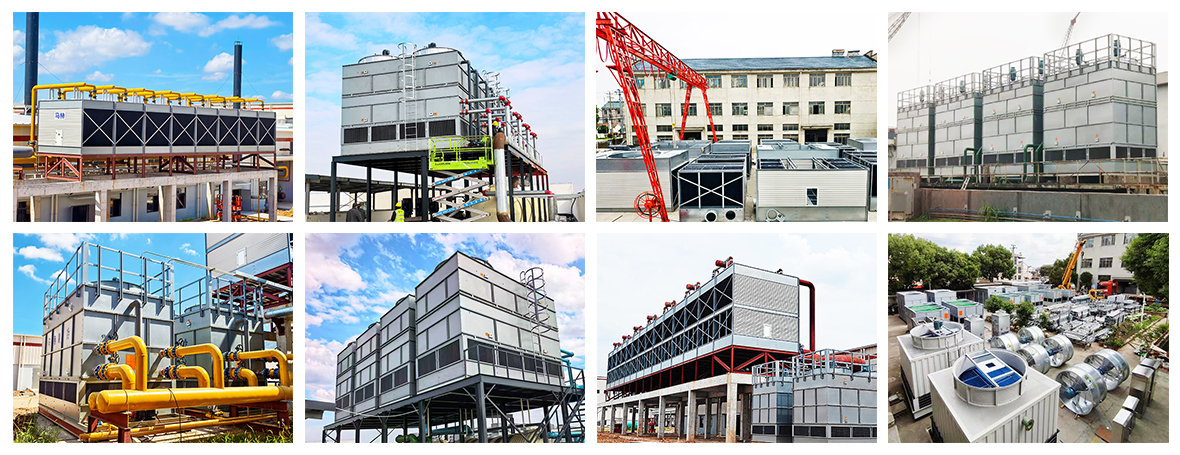
Its main advantage is operational flexibility. Multiple cells can allow cooling capacity to be staged according to demand, support maintenance planning, and provide partial capacity when a cell-specific component is unavailable.
The actual benefits depend on the tower configuration and the capacity of the remaining cells.
Many multi cell systems can operate with one cell shut down, provided the design allows isolation and the remaining cells can handle the required cooling load.
Water distribution, minimum flow, basin arrangements, and control settings must also be considered. Confirm the permitted operating modes with the manufacturer.
They can support efficient operation through cell staging and variable-speed fan control, especially when the cooling load changes frequently.
However, energy performance depends on fan and motor efficiency, system hydraulics, climate, control logic, and operating conditions.
A properly sized and controlled single cell tower may outperform a poorly designed multi cell system.
Manufacturing, HVAC, power generation, chemical processing, data centers, and some food and pharmaceutical facilities may benefit from multi cell arrangements.
They are particularly worth evaluating where cooling demand is large or variable, maintenance flexibility matters, or partial-capacity operation is valuable.
The final choice should reflect the facility's specific requirements.
A multi cell cooling tower can provide industrial facilities with flexible cooling capacity, practical maintenance options, and opportunities to improve energy management.
By dividing the total cooling duty into multiple cells, the system can respond more effectively to changing loads and may allow selected sections to be serviced without shutting down the entire installation. These benefits depend on correct sizing, appropriate controls, sufficient remaining capacity, and a well-designed water and piping system.
From manufacturing plants and commercial HVAC installations to data centers and energy facilities, multi cell cooling towers are worth considering wherever cooling reliability and operational flexibility are important.
Before making a purchase, evaluate thermal requirements, wet-bulb conditions, water quality, energy consumption, installation space, and long-term maintenance costs.
Mach Industry (Zhejiang) Co.,Ltd is a starting point for exploring industrial cooling equipment solutions. Visit www.machcooling.com to learn more and discuss your application's cooling requirements.